
Unlocking the Secrets of the Night-Blooming Gladiolus: A Guide to Propagating Gladiolus Tristis
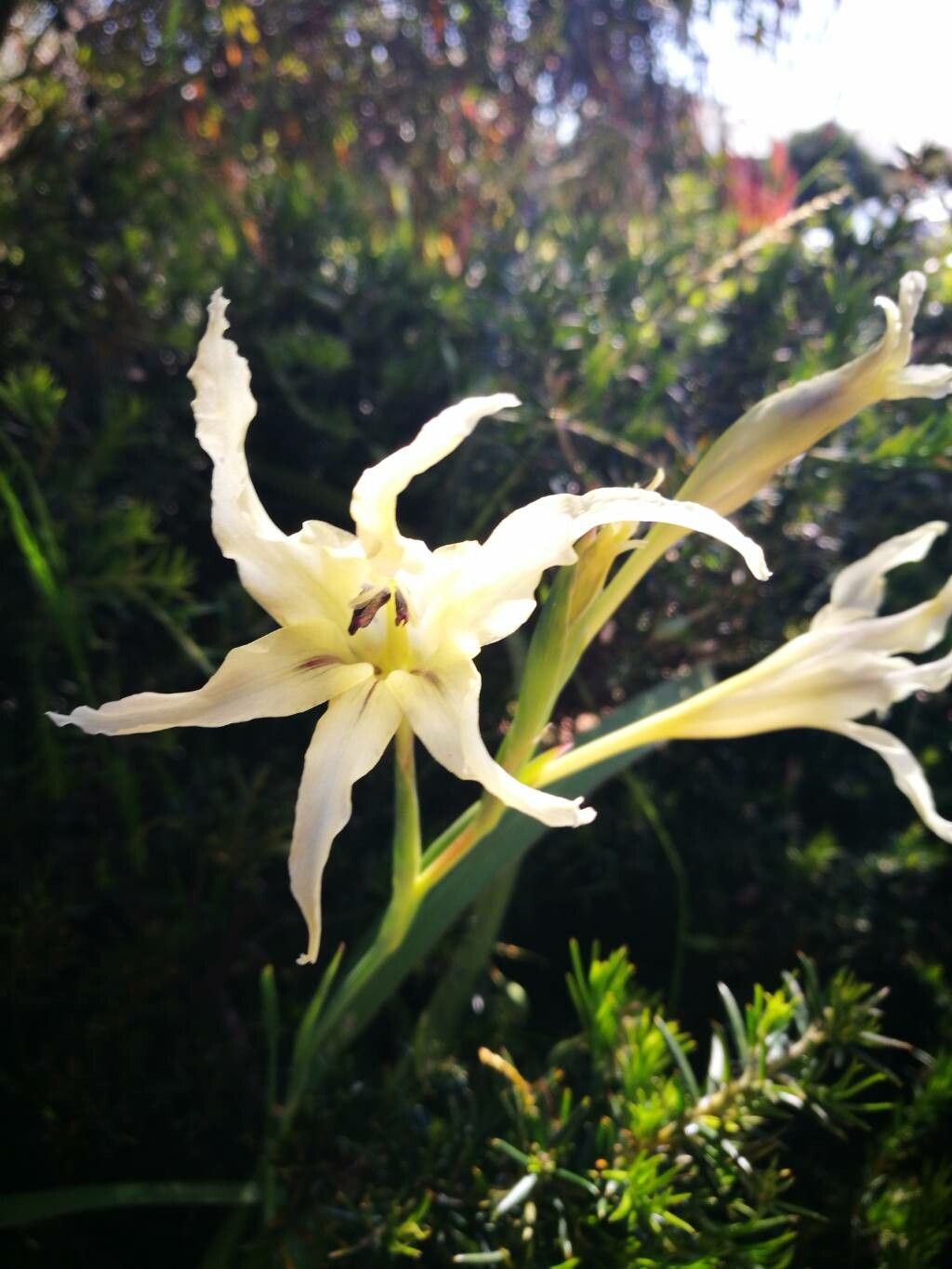
The Gladiolus tristis, also known as the Night-Blooming Gladiolus, is a captivating beauty. Its delicate, fragrant flowers open in the evening, filling the night air with a sweet, almost cloying scent. For plant enthusiasts seeking to add this captivating species to their gardens, the journey begins with propagation.
Unlike many other Gladiolus species, the Night-Blooming Gladiolus is not easily propagated by division. This species has a more intricate life cycle, demanding a slightly different approach. Let’s delve into the two primary methods for bringing this enchanting flower to your garden:
1. Propagation through Seed:
- Gathering Seeds: The first step is obtaining seeds from mature Gladiolus tristis plants. These seeds are found within delicate capsules that develop after the flowers fade. Harvest them while still green and allow them to dry completely in a cool, dry place.
- Sowing Seeds: Once dry, you can sow the seeds directly into a well-drained soil mix in a pot or seed tray. Alternatively, you can opt for a cold stratification process before sowing. This mimics the natural winter conditions and encourages germination. Place the seeds in a moist paper towel inside a sealed plastic bag and refrigerate for 4-6 weeks.
- Nurturing Seedlings: Seedlings typically emerge in 4-6 weeks after sowing. Provide them with adequate light and water, keeping the soil consistently moist. After a few months, transplant the robust seedlings into larger containers or a garden bed, ensuring well-drained soil.
2. Propagation through Bulbils:
- Understanding Bulbils: Bulbils are small, bulb-like structures that form at the base of the main corm. They are essentially miniature versions of the parent plant, capable of developing into new plants.
- Harvesting Bulbils: As the plant starts to die back after flowering, carefully remove the corm from the soil. Once the corm is dry, gently remove the bulbils. Larger bulbils have a higher chance of successful growth.
- Planting Bulbils: Similar to seeds, bulbils can be sown directly into well-drained soil in a pot or garden bed. Ensure the soil is loose and well-aerated. Cover the bulbils with a light layer of soil and keep the soil slightly moist.
Key Considerations for Success:
- Soil Choice: Gladiolus tristis thrives in well-draining soil, especially sandy loam with good aeration.
- Sunlight: While it prefers partial shade, this plant can tolerate full sun in cooler climates.
- Water Requirements: Keep the soil consistently moist, especially during the growing season. However, avoid overwatering as this can lead to root rot.
- Patience: The journey from seed or bulbil to a blooming plant can take several years, requiring patience and consistency in care.
In Conclusion:
Cultivating the enchanting Gladiolus tristis is a rewarding experience. Whether through seeds or bulbils, propagation requires a touch of patience and a keen understanding of this unique plant’s needs. By following these guidelines, you can bring the beauty of the Night-Blooming Gladiolus into your garden, creating a captivating symphony of fragrance and color each night. So, embark on this journey and enjoy the magical transformation from seed or bulbil to a breathtaking bloom under the moonlight.