
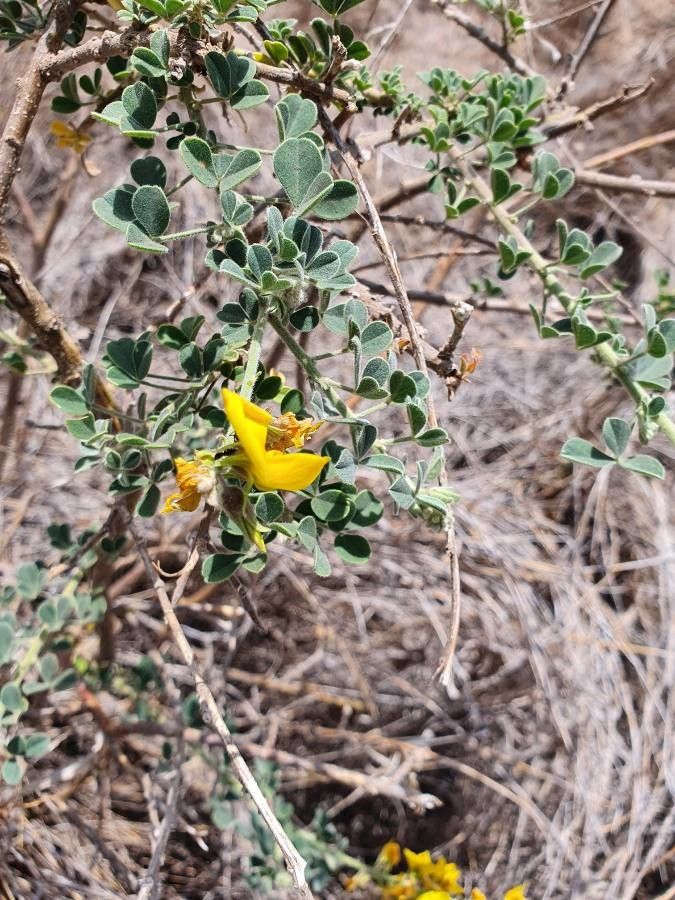
From Seed to Success: Propagating the Charming Crotalaria emarginella
The Crotalaria emarginella, with its vibrant yellow blossoms and delicate foliage, is a beautiful addition to any garden. But have you ever considered growing your own from scratch? Propagation, the process of creating new plants from existing ones, is a rewarding and surprisingly simple way to expand your collection of this captivating species.
Understanding the Basics of Crotalaria Propagation:
Crotalaria emarginella can be propagated using two primary methods:
1. Seeds:
- Collecting Seeds: When the pods mature and turn brown, collect the seeds. They are small, black, and often kidney-shaped.
- Sowing: Sow the seeds in a seed tray filled with a light, well-draining seed-starting mix. Keep the soil consistently moist but not waterlogged.
- Germination: Germination takes around 1-2 weeks with consistent warmth and moisture.
- Transplanting: Once seedlings have a few true leaves, transplant them into individual pots or directly into the garden, spacing them about 12 inches apart.
2. Cuttings:
- Choosing Cuttings: Take cuttings from healthy, non-flowering stems. The best time for this is during the growing season.
- Preparation: Cut a 4-6 inch stem, ensuring it includes a node (where leaves grow). Remove the leaves from the bottom inch of the cutting.
- Rooting: Dip the cut end in a rooting hormone powder or solution and plant it in a pot filled with a rooting medium (perlite, vermiculite, or a mixture of both).
- Care: Keep the cutting moist and in a humid environment. You can cover the pot with a plastic bag to create a mini-greenhouse. Rooting typically takes 3-4 weeks.
Tips for Successful Propagation:
- Sunlight: Crotalaria emarginella thrives in full sun. Ensure the seed trays and cuttings receive at least 6-8 hours of direct sunlight daily.
- Soil: Use a well-draining soil mix as Crotalaria emarginella is susceptible to root rot.
- Watering: Consistency is key. Water regularly, especially during dry periods, but avoid overwatering. Feel the soil before watering to ensure it’s slightly dry.
- Temperature: Crotalaria emarginella prefers warm temperatures. Keep the seedlings and cuttings in a warm environment, ideally above 65°F (18°C).
- Fertilizer: Once your seedlings are established, provide a balanced liquid fertilizer every 2-4 weeks during the growing season.
Common Challenges and Solutions:
- Pest and Disease: Although Crotalaria emarginella is generally resistant to pests and diseases, keep an eye out for common garden pests like aphids.
- Damping Off: This fungal disease can affect seedlings, causing them to wilt and die. Good drainage and proper watering techniques can help prevent damping off.
- Slow Growth: If you notice your seedlings or cuttings are not growing well, ensure they are receiving adequate sunlight and water.
Enjoy the Benefits of Propagation:
By propagating your own Crotalaria emarginella from seeds or cuttings, you not only save money but also experience a rewarding journey from seed to bloom. It’s an excellent way to expand your garden, share the beauty of this plant with friends and family, and connect with the natural world on a deeper level. So, why not give it a try? With a little patience and care, you can cultivate a vibrant patch of Crotalaria emarginella that will be the envy of your neighborhood.