
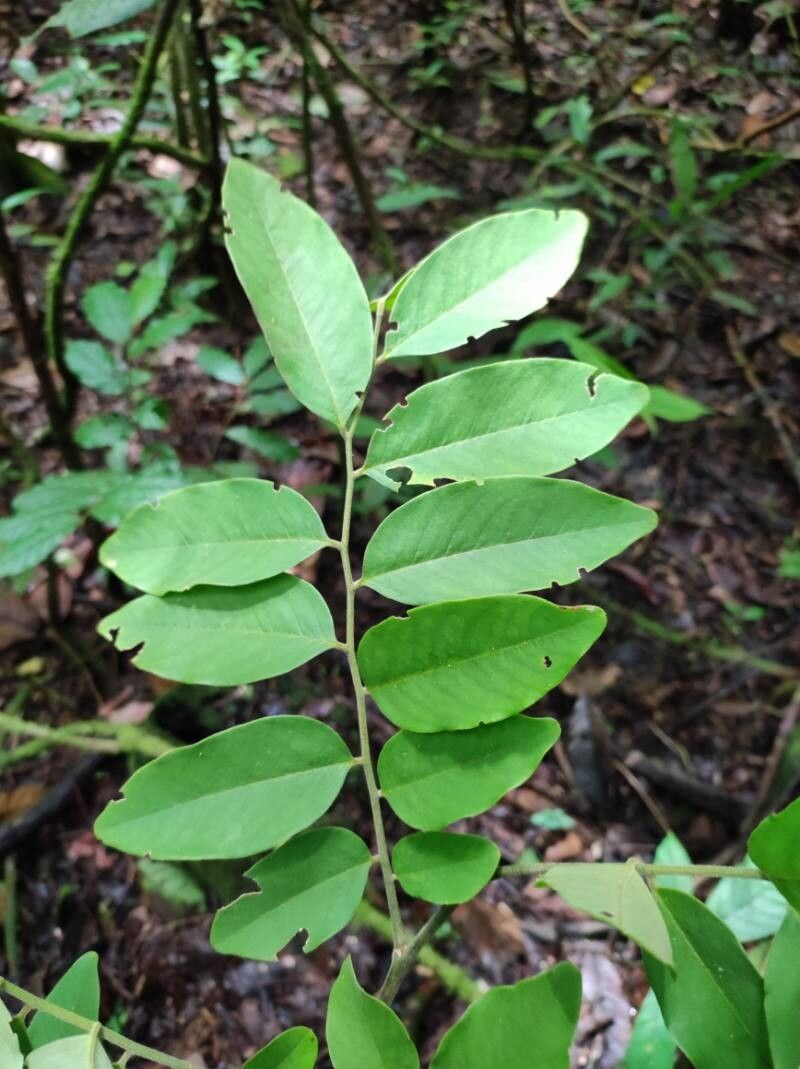
Unlocking the Secrets of Propagation: Growing Your Own Dalbergia Glomerata
The Dalbergia glomerata, also known as Indian Rosewood, is a beautiful and valuable tree renowned for its rich, dark wood and captivating fragrance. But beyond its beauty lies a world of wonder surrounding its propagation – the art of bringing new life from existing plants.
This blog post explores the fascinating world of propagating Dalbergia glomerata, empowering you to grow your own majestic trees.
Understanding the Basics of Propagation:
Propagation is essentially the process of creating new plants from existing ones, using various methods. For Dalbergia glomerata, the most common methods are:
- Seed Propagation: This is the simplest and most straightforward method. Dalbergia glomerata seeds are relatively easy to obtain and germinate. They require a warm and humid environment to sprout, usually within 2-4 weeks.
- Cuttings: This technique involves taking a portion of a healthy branch and encouraging it to develop roots. It allows for faster growth compared to seeds, but requires more care and attention.
- Grafting: This advanced method involves combining the rootstock of one plant with the scion (the desired branch) of another. It can be used to quickly introduce desirable traits like disease resistance or specific wood characteristics.
The Art of Seed Propagation:
- Collecting Seeds: Harvest mature pods from the tree, taking care not to damage them. Extract the seeds and allow them to dry in a well-ventilated area.
- Pre-treatment: To enhance germination rates, soak the seeds in warm water for 24 hours before sowing.
- Sowing: Use a well-draining potting mix and sow the seeds about an inch deep. Keep the soil moist and warm, and provide adequate light.
- Germination: The seeds should germinate within 2-4 weeks. Once they have sprouted, thin out weaker seedlings to promote robust growth.
The Challenge of Cuttings:
- Timing: The best time for cutting Dalbergia glomerata is during the dormant season, when the tree is not actively growing.
- Preparation: Select healthy branches with good growth potential. Make a sharp cut just below a node (the point where a leaf or branch emerges). Remove any leaves that will be submerged in the rooting medium.
- Rooting Hormone: Applying a rooting hormone to the cut end can significantly increase the chances of success.
- Rooting Medium: Use a loose, airy potting mix and gently insert the cut end into the soil. Keep the medium moist and warm.
Grafting for Specific Traits:
- Skillful Technique: Grafting requires practice and patience. It involves using a sharp knife to make precise cuts on the rootstock and the scion.
- Types of Grafting: Several techniques like cleft grafting, whip grafting, and bark grafting can be utilized depending on the desired outcome.
- Success Rates: Grafting success depends on several factors, including the compatibility of the chosen rootstock and scion.
Maintaining Your Dalbergia Glomerata:
Once your plant is established, care for it involves providing adequate sunlight, water, and nutrients. Pruning can help shape the tree and encourage healthy growth.
Dalbergia glomerata propagation is a rewarding and fulfilling experience. With careful planning, patience, and the right techniques, you can cultivate your own magnificent Indian Rosewood tree.