
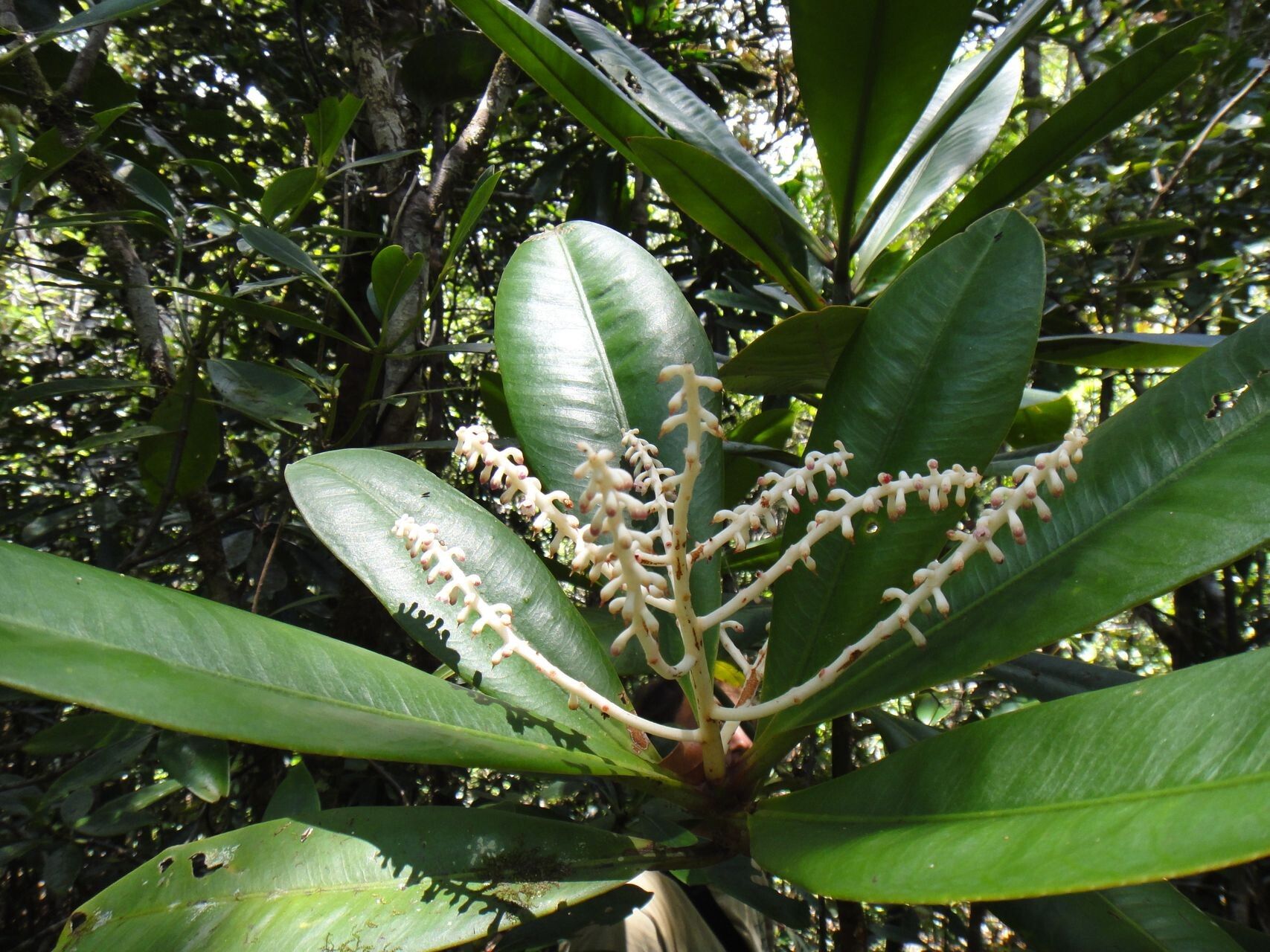
From Snipping to Thriving: A Guide to Propagating Tapeinosperma Lenormandii
Ever admired the sleek, glossy foliage of a Tapeinosperma lenormandii, also known as the “Polished-Leaf Tree,” and wished you could have one of your own? Good news! This beautiful evergreen shrub can be easily propagated from cuttings, allowing you to grow a new plant from a small piece of your existing one. Let’s explore the world of Tapeinosperma lenormandii propagation and unlock the secrets to success.
Why Propagate?
Propagating your own Tapeinosperma lenormandii offers several advantages:
- Cost-effective: Purchasing a new plant can be expensive, while propagation allows you to create new plants for free.
- Genetic matching: Propagated plants are genetically identical to the parent, ensuring a consistent appearance.
- Personalized selection: You can choose the specific traits you like, such as leaf size, shape, or color variegation.
- Enjoyment of the process: Watching a new plant emerge from a cutting is a rewarding experience!
The Method: Taking Cuttings
The most common technique for propagating Tapeinosperma lenormandii is through semi-hardwood cuttings. This involves taking cuttings from new growth that has hardened slightly. Here’s how:
- Choose a healthy stem: Select a non-flowering stem with at least 4-6 nodes (where leaves grow). Ensure the stem is firm and not too soft.
- Make the cut: Use sharp, clean pruning shears or a knife to make a clean, angled cut just below a node.
- Prepare the cutting: Remove any leaves below the first node and trim leaves above the second node to reduce water loss.
- Treat with rooting hormone: Dip the cut end of the stem in a rooting hormone powder or solution. This encourages root development.
- Potting mix: Use a well-draining potting mix that consists of equal parts peat moss, vermiculite, and perlite. Ensure the mix is moist before planting the cutting.
- Plant the cutting: Insert the prepared cutting into the potting mix, ensuring the first node is buried just below the soil surface.
- Water and humidity: Water the cutting thoroughly and place it in a humid environment. A clear plastic bag or cloche placed over the cutting will help trap moisture.
- Location: Place the cutting in a bright, indirect light location, avoiding direct sunlight.
Patience and Care
Once you have planted your cuttings, patience is key. It can take anywhere from 6 to 8 weeks for roots to develop. During this time, maintain consistent moisture, but avoid overwatering, as this can lead to root rot.
Signs of Success
One of the best indicators of successful root development is new growth at the top of the cutting. As your newly rooted Tapeinosperma lenormandii continues to grow, you can gradually introduce it to more sunlight and water it as needed.
Enjoy Your New Plant!
Once your cutting has established itself and is growing strong, you can transplant it into a larger pot or even into the garden. A great way to encourage fullness is to pinch off the growing tips, as this will force the plant to branch out.
Propagating Tapeinosperma lenormandii offers a fulfilling gardening experience. By following these guidelines, you can easily create beautiful new plants and enjoy the satisfaction of growing your own “Polished-Leaf Tree.” So, go ahead and give it a try! You’ll be surprised by how easy and rewarding it is.