
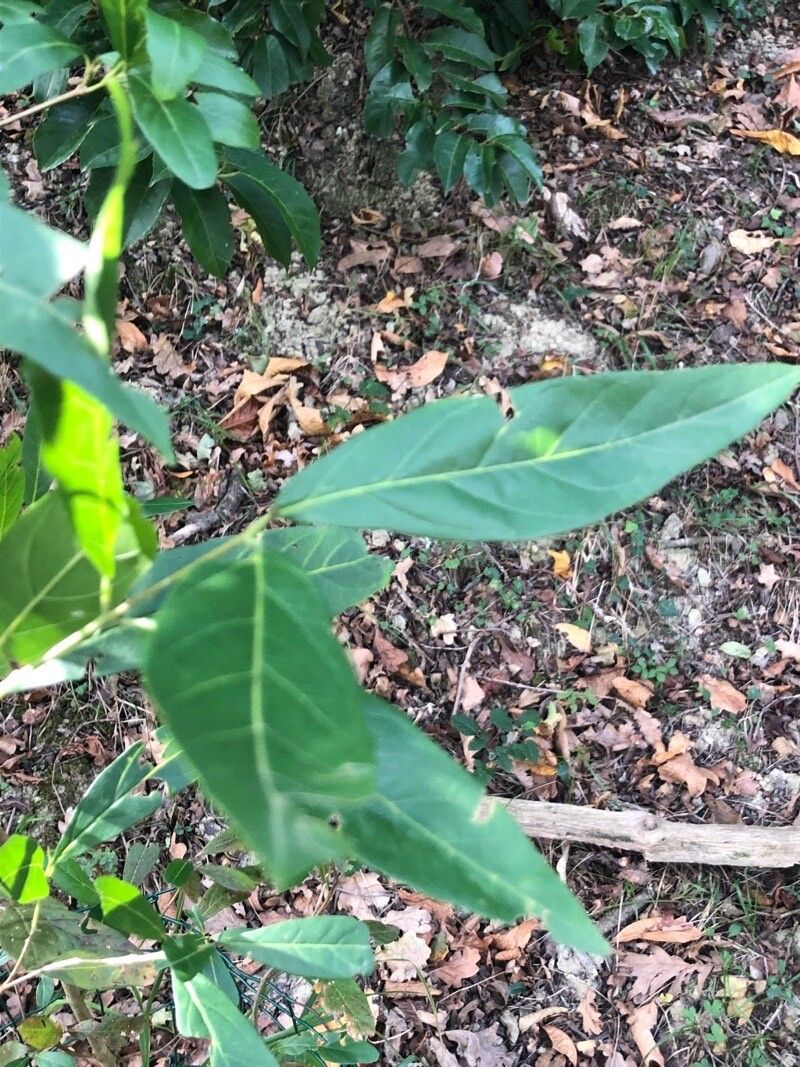
From Seed to Showstopper: How to Propagate the Striking Combretum Caffrum
The Combretum caffrum, also known as the River Bushwillow or Mountain Bushwillow, is a captivating plant. With its vibrant, textured foliage, beautiful blooms, and stunning autumn foliage, this native African beauty is becoming increasingly popular with gardeners worldwide. But did you know you can easily grow your own Combretum caffrum from scratch? Let’s dive into the world of propagation and discover how you can bring this striking plant into your garden.
Seed Propagation: Embracing a New Generation
Seed propagation is a rewarding and relatively straightforward method for growing a Combretum caffrum. Here’s how to get started:
- Collecting the Seeds: Collect mature seeds from the fruit pods, which turn brown and dry after flowering. You’ll know they’re ready for harvesting when they easily detach from the plant.
- Seed Preparation: Clean the seeds by removing any remaining fruit pulp. Allow them to air dry in a cool, dry place for a few days. This process is crucial for ensuring germination success.
- Sowing the Seeds: Prepare a seed tray with a well-draining seed-starting mix. Sow the seeds about ¼ inch deep, spacing them a few inches apart. Keep the soil consistently moist, but not soggy.
- Germination: With the right conditions, seeds should germinate within a few weeks. Place the tray in a bright but indirect light location. Keep the soil warm and consistent, aiming for 70-75°F (21-24°C).
- Transplanting: Once seedlings have developed a few sets of true leaves, you can transplant them into individual pots with a slightly larger size. Ensure they have adequate drainage to prevent root rot.
Pro tip: Seeds can be sown directly into the ground in a warm climate during the spring. However, it’s best to practice the seed-starting method for greater control and consistent success.
Cutting Propagation: Replicating Success
Cutting propagation is a faster way to grow Combretum caffrum and often results in a plant that looks almost identical to its parent.
- Taking Cuttings: Take semi-hardwood cuttings in late summer or early fall using sharp, clean shears. Choose healthy stems from the current year’s growth, ensuring they are about 4-6 inches long and have several leaves.
- Cutting Preparation: Make a clean cut just below a node (the point where a leaf grows). Remove the lower leaves and dip the cut end in rooting hormone for faster development.
- Rooting Medium: Plant the cuttings in a rooting medium like a mixture of peat moss and perlite. Ensure the medium is moist but well-drained.
- Humidity and Light: Cover the cuttings with a plastic dome or bag to create a humid environment. Place the potted cuttings in a bright but indirect light location.
- Patience is Key: Allow the cuttings to root for several weeks. Resist the temptation to disturb them during this crucial period. Once roots have developed, you can slowly acclimate them to their new home in your garden.
Pro tip: If you have success rooting cuttings, you can create new plants with the same desirable qualities as your existing Combretum caffrum.
Fostering Growth: Caring for Your New Combretum Caffrum
Whether you’ve propagated your Combretum caffrum from seed or cuttings, providing the right care is essential for its healthy growth and development.
- Sunlight: This plant thrives in full sun to partial shade. Ensure it receives at least 4 hours of direct sunlight daily.
- Watering: Water deeply and allow the soil to dry out slightly between waterings. Avoid overwatering, as it can lead to root rot.
- Fertilizing: For optimal growth, fertilize your Combretum caffrum with a balanced liquid fertilizer during the growing season.
- Pruning: This plant responds well to pruning and can be shaped to suit your preferences. Prune in late winter or early spring to encourage new growth.
Conclusion: Embracing the Journey of Propagation
Propagation can be a rewarding and satisfying journey for any gardener. Whether you’re a seasoned green thumb or a beginner, cultivating a Combretum caffrum from scratch allows you to connect with the plant on a deeper level and witness the miracle of life unfolding. So, gather your seeds, sharpen your shears, and embark on your own propagation adventure! With a little patience and care, you’ll soon be enjoying the captivating beauty of your own, homegrown Combretum caffrum.