
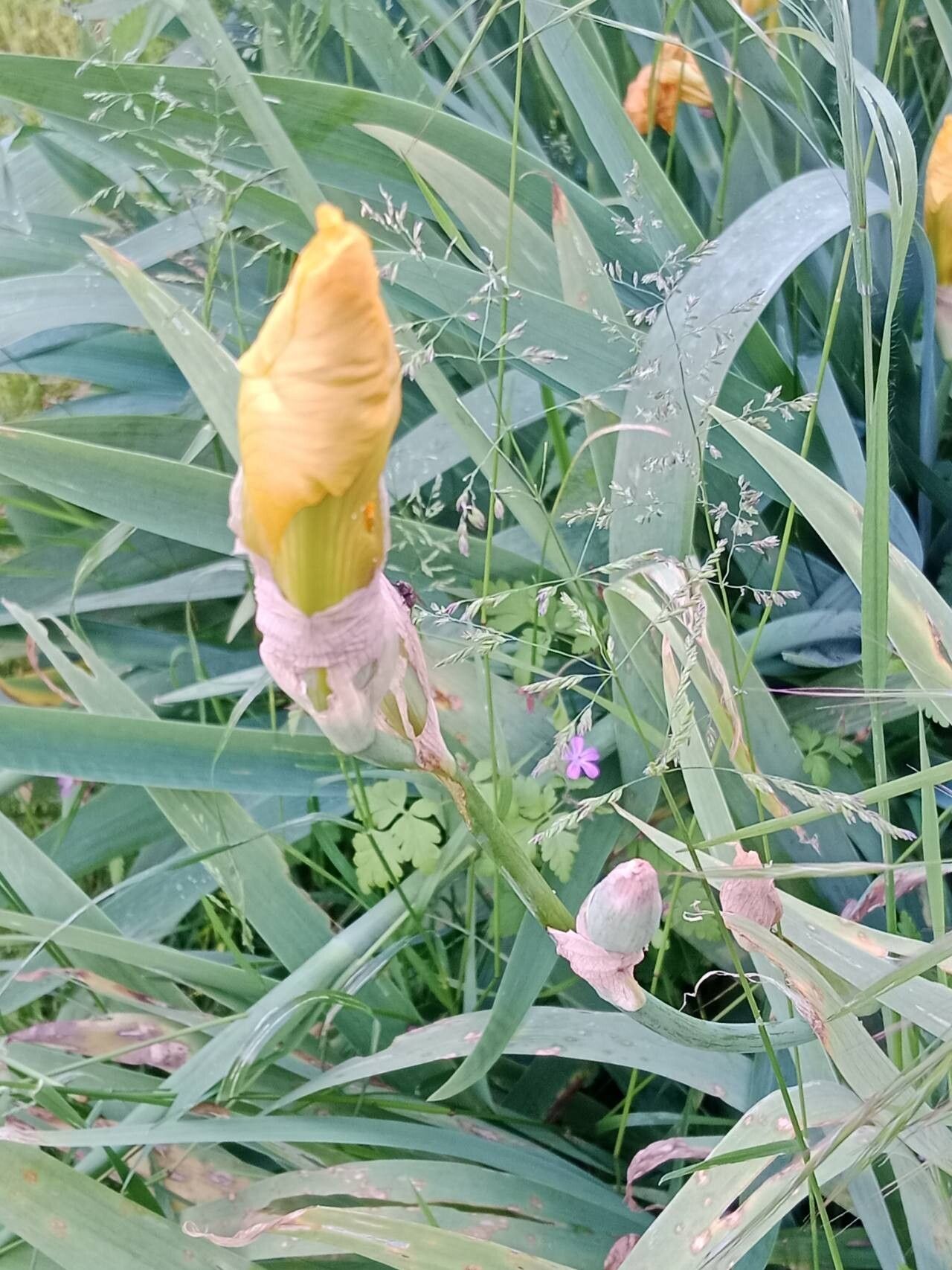
Spreading the Beauty: A Guide to Propagating Iris Barbatula
The Iris barbatula, with its delicate, fragrant blossoms and attractive foliage, is a treasure to any garden. But what if you want to share this beauty with friends or simply expand your own collection? Thankfully, propagating Iris barbatula is a relatively simple process, even for beginner gardeners.
Understanding Iris Barbatula:
Iris barbatula, commonly known as the “Dwarf Bearded Iris,” are small, hardy irises that typically reach heights of 10-12 inches. They thrive in well-drained soil and full sun to partial shade, making them a versatile addition to various garden settings.
Methods of Propagation:
There are two primary methods for propagating Iris barbatula:
1. Division:
This is the most common and easiest way to propagate these irises. The best time for division is in early fall or late summer, after the flowers have faded. Here’s how:
- Choose a healthy, mature plant. Look for plants with multiple rhizomes.
- Dig the plant carefully. Ensure you get as much of the root system as possible.
- Separate the rhizomes. Use a sharp knife or a garden trowel to gently divide the rhizomes into sections, each with at least one fan of leaves and some healthy roots.
- Trim the leaves. Cut back the leaves to about 6 inches to help reduce water loss.
- Plant the divisions. Plant the divided rhizomes in well-drained soil, with the top of the rhizome just above the soil line.
- Water thoroughly. Water regularly until the plants are established.
2. Seed Propagation:
While less common, Iris barbatula can also be propagated from seeds. Here’s how:
- Collect seeds. Gather the seed pods from your irises after the flowers have withered.
- Prepare the seeds. Remove the seeds from the pods and allow them to dry for a few days in a cool, dry location.
- Sow the seeds. Sow the seeds directly in a seed tray filled with well-drained soil. Cover the seeds lightly with soil, and water thoroughly.
- Provide consistent moisture. Maintain a consistently moist environment for the seeds to germinate. Keep the soil moist but not waterlogged.
- Transplant the seedlings. Once the seedlings have several sets of true leaves, transplant them into individual pots or into a prepared bed.
Tips for Success:
- Location: Ensure your chosen location for propagation provides ample sunlight and well-drained soil.
- Proper planting: Avoid planting the rhizomes too deeply. They should sit just above the soil line.
- Regular watering: Maintain a consistent moisture level, especially while the new plants are establishing roots.
- Fertilizer: Use a balanced fertilizer sparingly, as Iris barbatula don’t require a lot of nutrients.
Enjoy the Fruits of Your Labor:
Propagating your Iris barbatula is a rewarding experience. Witnessing the growth of new plants, nurtured from your own care, brings a unique satisfaction. And soon, you’ll be sharing the beauty of these delicate blooms with others, a testament to your gardening skills!