
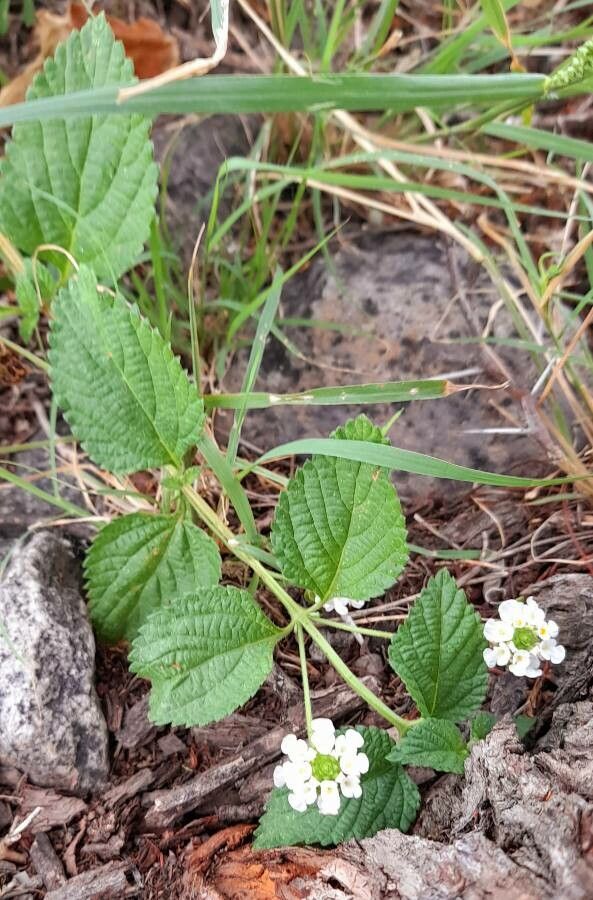
Unlock the Secrets of Lantana Grisebachii Propagation: A Guide to Growing This Stunning Shrub
Lantana grisebachii, with its captivating clusters of vibrant flowers ranging from deep crimson to fiery orange, is a sight to behold. Often dubbed the “Red Lantana,” this shrub isn’t just beautiful but also incredibly adaptable, thriving in various climates and soil conditions. But what about propagating this stunning plant?
Luckily, propagating Lantana grisebachii is a relatively straightforward process, and this blog post will guide you through the different methods to ensure success. Whether you’re a seasoned gardener or just starting out, you’ll find this information valuable in growing your own beautiful Red Lantana.
Method 1: The Magic of Cuttings
One of the most common and successful methods of propagation is through stem cuttings. Here’s a step-by-step guide:
- Choose the Right Time: The best time to take cuttings is during the active growing season, usually in spring or early summer. Select healthy, non-flowering stems from the current year’s growth.
- The Cutting Technique: Cut a 4-6 inch section from the stem, ensuring at least two sets of leaves. Make a clean, sharp cut just below a node (the point where leaves grow).
- Prepare the Cutting: Remove the bottom leaves from the section. You can apply a rooting hormone to the cut end for better results.
- Planting Time: Place the cutting into a pot filled with well-draining potting mix and gently firm the soil around it. For optimum humidity, you can cover the cutting with a plastic bag or dome.
- The Waiting Game: Keep the soil consistently moist and provide indirect sunlight. Within about 4-6 weeks, the cutting should develop roots. After that, it’s time to transition the new plant to a larger container or into your garden.
Method 2: The Power of Seeds
While not as common as propagation by cuttings, Lantana grisebachii can also be grown from seeds. Here’s how:
- Collect the Seeds: Once the flowers fade, small green berries will form. Wait until they turn dark purple or nearly black, then harvest them and remove the seeds.
- Preparing for Planting: Sow the seeds about 1/4 inch deep in a well-draining seed starting mix. Keep the soil evenly moist and warm (about 70-75 degrees Fahrenheit).
- Patience is Key: Germination can take several weeks. Maintain warm temperatures and consistent moisture during this period, and soon you’ll see tiny seedlings emerge.
Method 3: Layering – A Natural Way to Propagate
For those who prefer a more natural approach, air layering is another viable option. This method involves encouraging roots to form on a stem while it’s still attached to the parent plant:
- Select a Stem: Choose a healthy, flexible stem near the base of the plant.
- Make a Cut: Carefully scrape a section of bark from the chosen stem, about 2-3 inches long.
- Root Hormone: Apply a rooting hormone to the exposed area of the stem.
- Cover and Secure: Wrap the area with moistened sphagnum moss and then secure it with plastic wrap to retain moisture.
- Wait and Watch: Within a few months, roots should emerge from the covered section. Once the roots are established, carefully cut the layered stem from the parent plant and plant it in a pot or garden bed.
Choosing the Right Method
The most suitable method for you depends on your preferences and resources. Cuttings are generally the easiest and most successful method for beginners, while seed propagation can be more time-consuming but allows you to work with a wider selection of seeds. Layering is a more natural approach, but it requires a bit more experience and patience.
No matter which method you choose, remember to provide proper care for your new Lantana grisebachii. This vibrant shrub will reward you with its gorgeous blooms and a touch of tropical beauty in your garden. Happy propagation!