
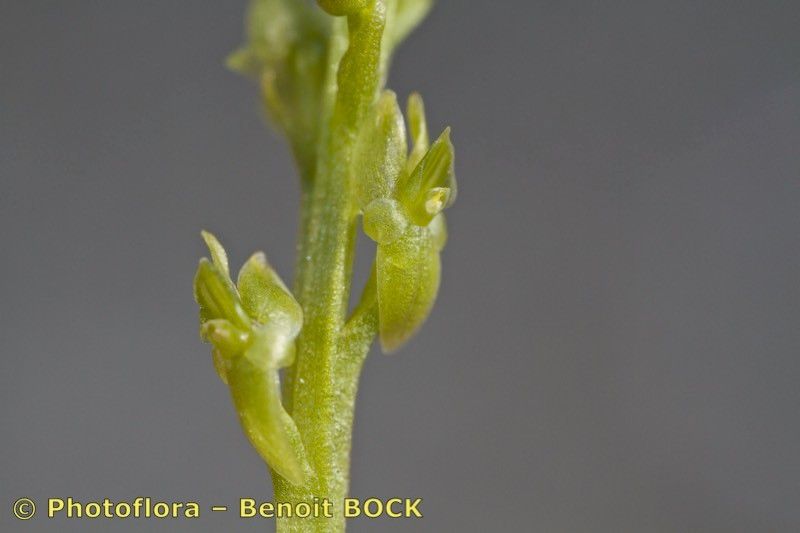
Unveiling the Secrets of Hammarbya paludosa Propagation: A Guide for Enthusiasts
Hammarbya paludosa, also known as the “Bog Orchid,” is a captivating and rare orchid that graces damp meadows and bogs with its delicate, pale green blossoms. While its beauty is undeniable, cultivating this elusive orchid can pose a challenge. However, propagation techniques offer a chance to enjoy these ethereal blooms in your own garden or terrarium.
Understanding the Nature of Hammarbya paludosa:
This enchanting orchid is a terrestrial species, meaning it grows naturally in the ground. Its preferred habitat is damp, nutrient-poor environments, like bogs and marshes. This preference for specific conditions is a key factor to consider when attempting propagation.
Propagation Methods for Hammarbya paludosa:
- Division: This method involves carefully separating the plant’s rhizomes (underground stems) into smaller divisions, each containing at least one healthy growth point. This is typically done in the early spring before new growth emerges.
- Technique: Gently dig up the plant, ensuring you disturb the rhizomes as little as possible. Separate the rhizomes using a sharp, clean knife or garden shears, ensuring each division has a healthy growth point and some roots. Replant the divisions immediately in a suitable bog-like environment, maintaining their original orientation.
- Seed Propagation: This method is not as common or successful for Hammarbya paludosa due to the orchid’s reliance on mycorrhizal fungi for seed germination. However, it’s a fascinating process.
- Technique: Collect the seed capsules after they have matured and turned brown. Sow the seeds, ideally in a sterilized medium, mimicking the conditions of its natural habitat. Be patient, as germination can take weeks or even months.
- Tissue Culture: This intricate method involves the propagation of orchids in a sterile laboratory environment using specialized media and techniques. While it’s not typically practiced by home gardeners, it’s a valuable tool for large-scale cultivation and conservation efforts.
Creating the Ideal Environment:
Replicating the natural environment of Hammarbya paludosa is crucial for successful propagation. Here’s how to achieve it:
- Substrate: A mix of sphagnum moss, peat moss, and sand or perlite provides the ideal drainage and moisture retention.
- Light: These orchids thrive in bright, indirect light, ideally with some shade during the hottest part of the day. Avoid direct sunlight, which can scorch the delicate leaves.
- Humidity: Maintaining high humidity is essential. Misting the plant regularly, especially during dry periods, helps replicate the damp environment it craves.
- Water: Keeping the substrate consistently moist but not soggy is critical. Avoid allowing the soil to completely dry out, and make sure water drains freely to prevent root rot.
- Temperature: Hammarbya paludosa appreciates cooler temperatures, with an optimum growing range between 10-20°C (50-68°F).
Challenges and Precautions:
Remember that propagating Hammarbya paludosa can be challenging. It’s essential to provide the right conditions for growth and be patient. Mistakes are common.
- Infestations: Be vigilant for pests and diseases like fungus gnats or root rot. Prevent infestations by choosing disease-free plants and using sterilized substrates.
- Patience: It may take time for the propagated plants to establish themselves. Even with optimal conditions, growth can be slow, especially for seedlings.
Preserving the Beauty of the Bog Orchid:
Successfully propagating Hammarbya paludosa will allow you to share its beauty with others and play a part in preserving this fascinating species. By understanding its delicate requirements and embracing the challenges of cultivation, you can contribute to the appreciation and conservation of this rare and exquisite plant. With patience, dedication, and the right techniques, the rewards of cultivating Hammarbya paludosa will be truly rewarding.