
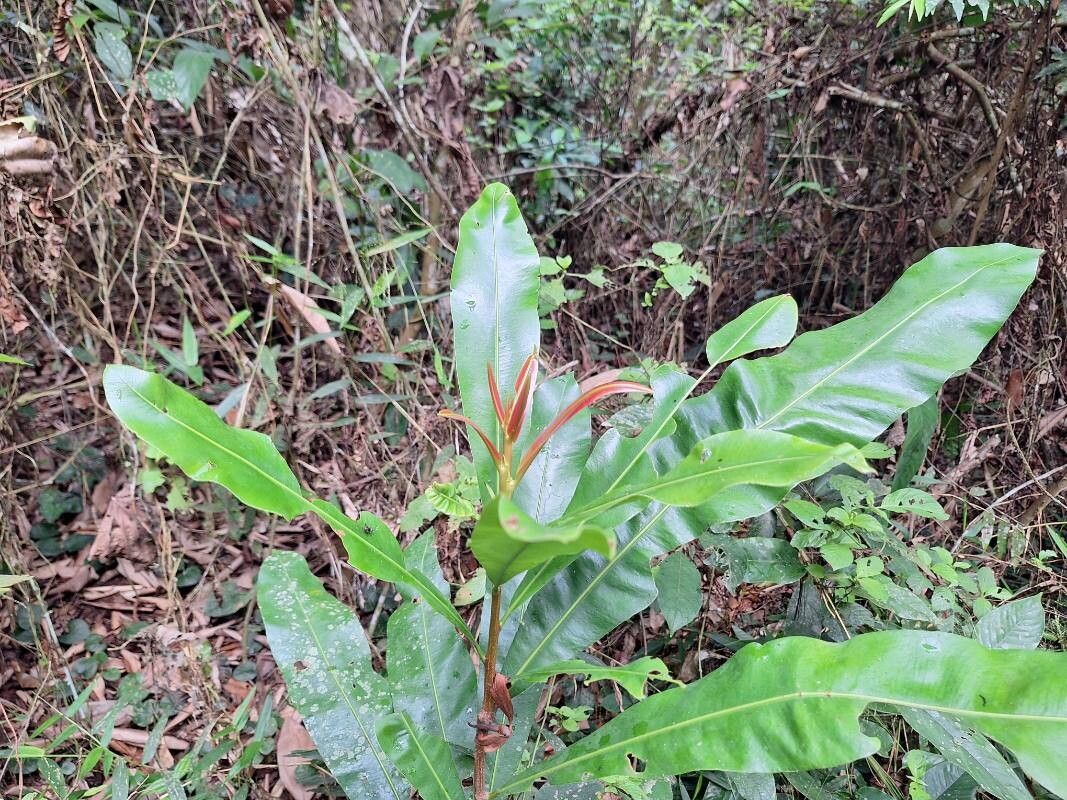
Unlocking the Secrets to Growing African Ironwood: A Guide to Lophira alata Propagation
Lophira alata, more commonly known as African Ironwood, is a resilient and beautiful tree boasting striking reddish-brown bark and durable timber. Its strong wood and striking appearance make it a sought-after species for furniture, construction, and even musical instruments. But what if you want to grow this remarkable tree yourself?
While sourcing a mature African Ironwood might be a challenge, propagation offers a fascinating and rewarding way to cultivate this iconic species in your own garden. Let’s dive into the methods you can use to propagate Lophira alata successfully.
1. Seeds: A Journey from Seed to Sapling
- Harvesting Seeds: The best time to collect seeds is when the fruits are fully ripe and turn brown. Extract the seeds from the fruit, taking care to remove any pulp that might hinder germination.
- Preparing the Seeds: Before sowing, soak the seeds in warm water overnight. This promotes hydration and can significantly improve germination rates.
- Sowing the Seeds: Fill a seed tray or pot with a well-draining mix of sand, compost, and loam. Plant the seeds about half an inch deep, ensuring adequate spacing between them.
- Caring for Seedlings: Keep the soil consistently moist but not waterlogged. African Ironwood seedlings prefer a warm and sunny environment.
2. Cuttings: A Direct Approach to New Growth
- Taking Cuttings: Choose healthy, mature branches from a vigorous parent plant. The ideal cutting length is about 6-8 inches. Ensure the cut is made just below a node (where leaves sprout).
- Preparing the Cuttings: Remove the leaves from the bottom two inches of the cutting. Dip the cut end in a rooting hormone solution, which encourages root development.
- Planting the Cuttings: Fill a pot or seed tray with a sterile rooting mix. Plant the cuttings deeply enough to support the stem but keep the nodes above the soil line.
- Caring for Cuttings: Keep the rooting mix moist and maintain a warm, humid environment. Cover the cuttings with a plastic wrap or dome to improve humidity. Root emergence usually takes several weeks.
3. Grafting: Joining Forces for Enhanced Growth
Grafting is a more advanced propagation technique that involves joining a scion (cutting) from a desired variety onto a rootstock (base). This method allows you to combine the desired traits of one plant with the robust root system of another.
- Choosing the Scion and Rootstock: Select a healthy scion from a desirable African Ironwood variety. The rootstock should be a compatible species, preferably Lophira alata itself.
- Grafting Methods: Several grafting methods can be employed, such as wedge grafting, cleft grafting, and bark grafting. Each method requires specific techniques and experience.
- Care After Grafting: After grafting, protect the graft union with tape or grafting wax and maintain a humid environment. The graft should heal and start growing together within a few weeks.
Important Considerations for Successful Propagation
- Climate and Environment: African Ironwood thrives in warm, tropical climates with ample sunlight. Ensure your growing conditions mimic its natural habitat.
- Soil Requirements: The soil should be well-draining, slightly acidic, and rich in organic matter.
- Pest and Disease Control: Regularly inspect your plants for any signs of pests or diseases and take appropriate action to maintain their health.
Beyond the Basics: Cultivating Your African Ironwood Tree
Once your African Ironwood has established itself, it requires minimal care. However, regular watering, particularly during the dry season, is crucial. Fertilizing once or twice a year with organic compost can further promote growth.
Growing African Ironwood from seed, cuttings, or grafting is a rewarding experience. It allows you to cultivate a unique and valuable tree while contributing to its preservation and appreciation. Remember to research local regulations and ensure you have the necessary permits before planting your African Ironwood in your garden. With patience and the right techniques, you can witness the wonder of this remarkable tree firsthand, enjoying its beauty for generations to come.