
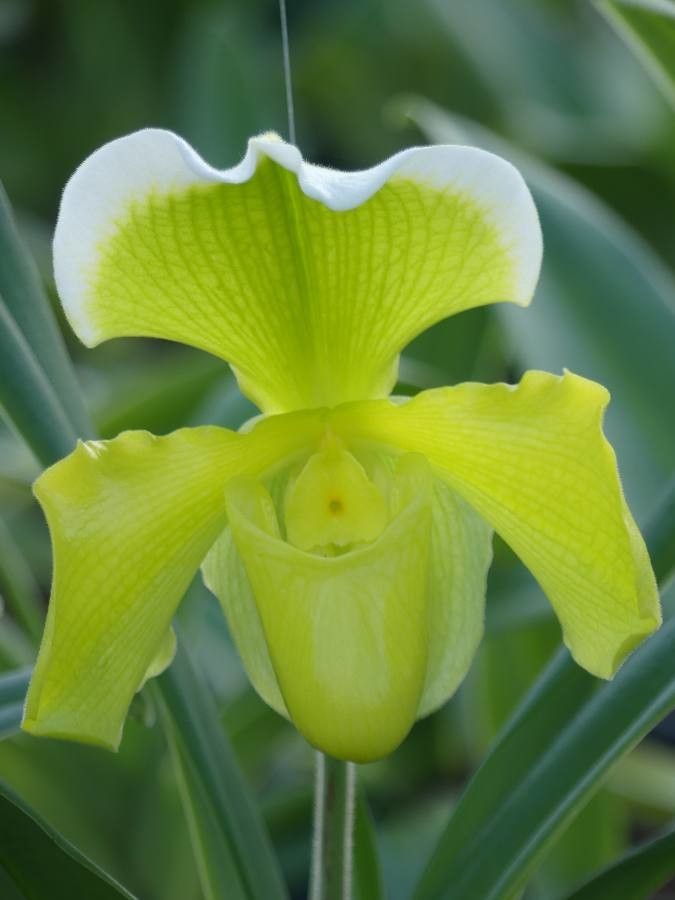
Unveiling the Secrets: Propagating the “Bearded” Paphiopedilum
The Paphiopedilum barbigerum, aptly nicknamed the “Bearded Paphiopedilum,” is a captivating orchid species known for its striking, unique features. Its velvety petals, adorned with an impressive beard-like appendage, and mesmerizing spotted pouch make it a prized possession among orchid enthusiasts. But did you know that this beauty can be multiplied through propagation? While it may seem daunting at first, with the right knowledge, you can successfully propagate your Paphiopedilum barbigerum, expanding your orchid family and sharing the magic with others.
The Power of Division
The most common and successful method of propagating Paphiopedilum barbigerum is through division. This technique relies on the orchid’s natural tendency to form multiple growth points, called pseudobulbs, on a single rhizome. These pseudobulbs are essentially individual plantlets, capable of growing independently.
Time to Divide:
The best time to divide your Paphiopedilum barbigerum is during the repotting process, usually after the plant has finished its flowering cycle. Choose a healthy, established plant with at least three pseudobulbs for successful division.
Here’s a step-by-step guide to dividing your Paphiopedilum:
- Prepare: Carefully remove the plant from its pot and gently loosen the old potting medium from the roots.
- Identify Divisions: Look for natural divisions along the rhizome. Each division should have at least one healthy pseudobulb, roots, and a section of the rhizome.
- Divide with Care: Use a sharp, sterilized knife or pair of scissors to cleanly separate the divisions. Avoid damaging the roots or pseudobulbs.
- Plant the Divisions: Repot each division in its own pot with fresh, well-draining bark-based orchid potting mix. Ensure the roots are well-distributed, and the rhizome remains slightly above the growing medium.
- Foster Growth: Water the newly divided plants thoroughly and place them in a bright, humid location with indirect light. Avoid direct sunlight, as it can scorch the delicate leaves.
Beyond Division: The Seedling Route
While not as common for home growers, Paphiopedilum barbigerum can also be propagated through seed. This method requires a sterile environment and specialized techniques, usually practiced by orchid nurseries.
The Seedling Journey:
- Pollenation: The process begins with hand-pollinating the orchid’s flower, carefully transferring pollen from one flower to another.
- Seed Development: Once pollinated, the orchid will produce seed pods containing thousands of tiny seeds.
- Sterile Sowing: These seeds require a sterile environment and specialized growing media to germinate.
- Growing Conditions: The seedlings need carefully controlled temperature and humidity to thrive.
- The Long Wait: It can take several years for the seedlings to develop into mature, flowering plants.
Considerations and Tips:
- Be patient! Dividing an orchid is not a quick process. It takes time for the newly planted divisions to establish their root systems and begin growing.
- Ensure the divided plants receive adequate humidity. You can increase humidity by placing the pots on a tray filled with pebbles and water.
- Never overwater! Paphiopedilum barbigerum prefers a slightly dry growing environment. Allow the potting mix to dry slightly between waterings.
- Repot the divided plants once they have settled into their new pots and started to grow, usually after a couple of months.
The Beauty of Propagation:
Propagating your Paphiopedilum barbigerum, whether through division or seed, allows you to share the magic of this enchanting orchid with others, creating new plant families and ensuring its continued beauty in the world. It’s a rewarding adventure, fostering a deeper connection with the world of orchids and experiencing the remarkable cycle of life within these captivating plants.