
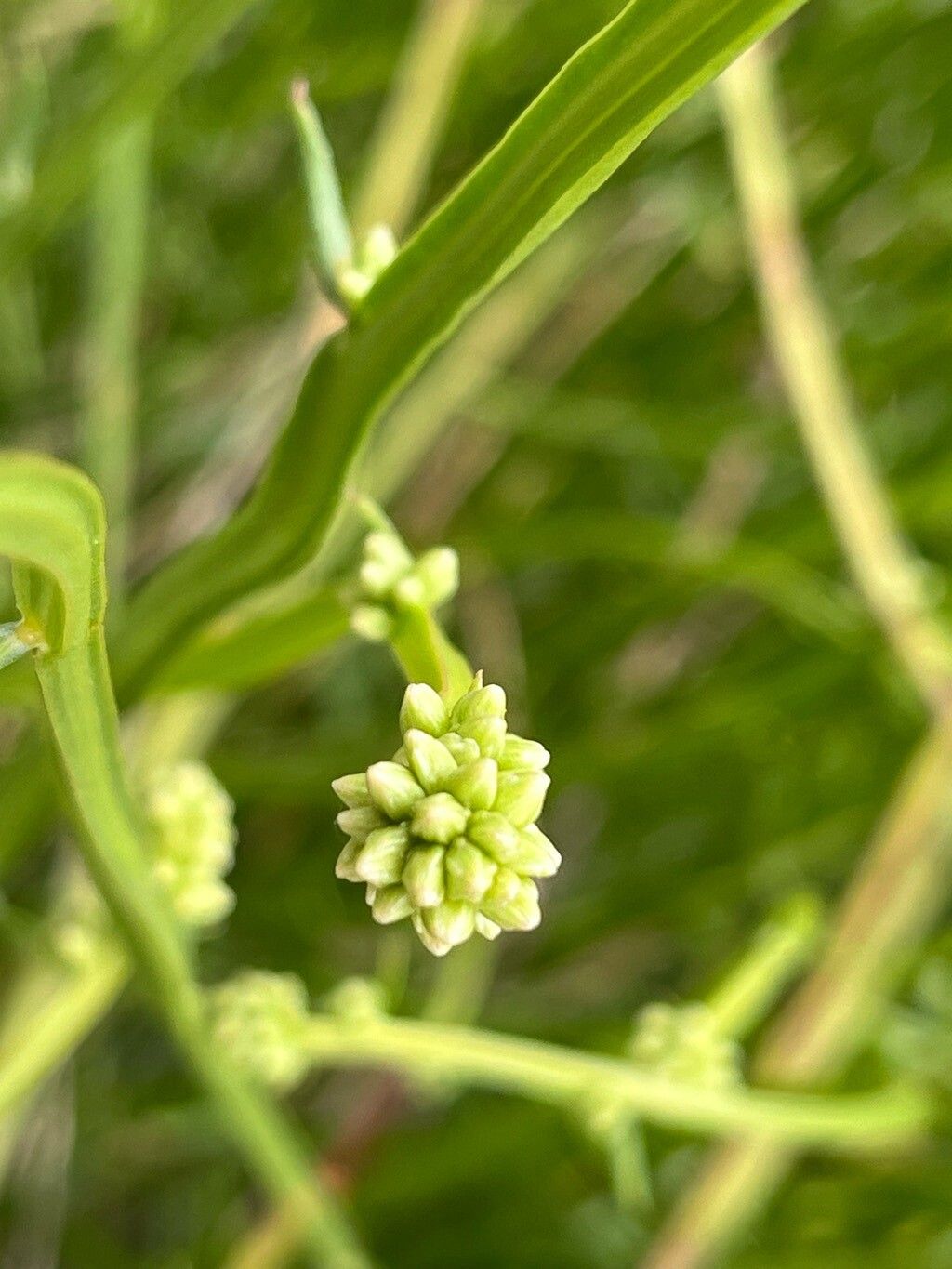
From Seed to Success: Mastering the Art of Propagating Baccharis Sagittalis
Baccharis sagittalis, also known as the saltmarsh aster or sea myrtle, is a hardy and beautiful plant that thrives in coastal environments. Its attractive foliage and fragrant white blooms make it a popular choice for landscaping, especially in areas with challenging soil conditions. But did you know that you can easily propagate this plant yourself, expanding your garden or sharing it with others?
This article will guide you through the world of Baccharis sagittalis propagation, exploring the different methods and providing tips for success. Whether you’re a seasoned gardener or just starting your green thumb journey, these techniques will help you create a flourishing patch of saltmarsh aster.
Seeds: A Patient Path to New Life
Baccharis sagittalis produces numerous tiny seeds housed within its fluffy white flowers. While this presents a seemingly easy propagation method, patience is key.
- Harvest Time: Collect seeds after the flowers have turned brown and dried. This is usually in the late summer or early fall. Gently shake the seed heads into a container or paper bag.
- Sowing: Sow seeds directly outdoors in a well-prepared seedbed. Lightly cover the seeds with soil as they prefer light to germinate. Water thoroughly and maintain consistent moisture.
- Germination Patience: Seed germination can take anywhere from a few weeks to several months. Keep the soil moist and weed-free. Once the seedlings have a few true leaves, begin thinning them to allow for proper spacing.
From Cuttings to Thriving Plants
Taking cuttings is a faster and often more reliable way to propagate Baccharis sagittalis. It involves replicating the plant’s natural growth process.
- Timing is Key: The best time to take cuttings is in the spring or early summer when the plant is actively growing.
- Cut Selection: Choose healthy stems that are about 4-6 inches long and have at least 2-3 nodes (spots where leaves grow).
- Preparation: Remove the leaves from the bottom inch or two of the stem. Lightly dust the cut ends with rooting hormone to stimulate root growth.
- Rooting Environment: Plant the cuttings in a mixture of equal parts peat moss and perlite. Keep the soil moist but not soggy. Place the cuttings in a bright location, but out of direct sunlight.
- Patience Pays Off: Cuttings typically root within 4-6 weeks. You can check for root development by gently tugging on the stem. Once you feel resistance, it’s time to transplant your rooted cuttings into individual pots or directly into the garden.
Tips for Success
- Watering: Consistent moisture is vital for both seed germination and cutting propagation. Avoid overwatering, as this can lead to root rot.
- Light: Baccharis sagittalis prefers full sun to partial shade. Ensure your seedlings and cuttings have access to adequate sunlight for proper growth.
- Soil: Well-drained soil that is slightly acidic is ideal. Amend heavy soils with compost to improve drainage.
- Pest and Disease Control: While Baccharis sagittalis is generally resistant to pests and diseases, keep an eye out for any issues and address them promptly.
Beyond Your Garden
Propagating Baccharis sagittalis is not just about expanding your own garden. It’s an opportunity to share the beauty and resilience of this plant with others. Give a cutting to a friend, donate a few seedlings to a local community garden, or even start your own small-scale propagation project!
By mastering the art of propagation, you’ll not only add to your garden’s charm but also contribute to the larger community of plant enthusiasts, spreading the joy of Baccharis sagittalis far and wide.