
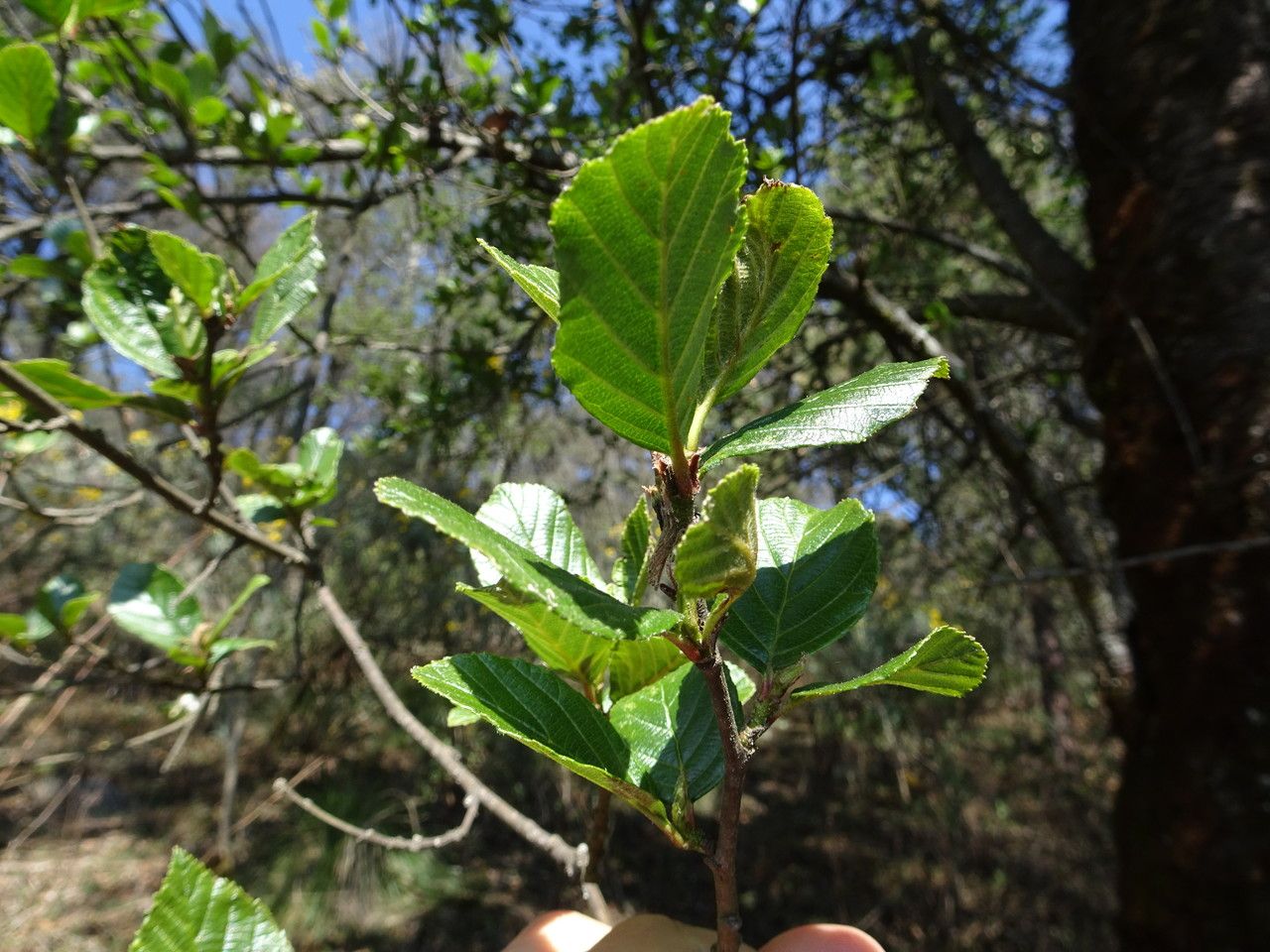
From Seed to Shade: Propagating the Majestic Mexican Alder (Alnus jorullensis)
Have you ever gazed upon the soaring stature of a Mexican Alder (Alnus jorullensis) and dreamed of replicating that beauty in your own garden? This majestic tree, native to the mountainous regions of Mexico, is a sight to behold, with its graceful form and vibrant foliage. Luckily, propagating this species can be achieved with a bit of patience and the right techniques.
From Seed to Sapling: A Journey of Propagation
The most common method for propagating Alnus jorullensis is through seeds. These seeds are dispersed by wind and require specific conditions to germinate. Here’s a step-by-step guide to get you started:
1. Gathering Seeds:
- Timing is key: Collect seeds in late summer or early autumn when they are mature and ready for dispersal.
- Locate the cones: Look for mature cones on the tree that have turned brown and somewhat woody.
- Carefully extract the seeds: Gently remove the seeds from the cones. They may be small and winged.
2. Preparing for Sprouting:
- The need for stratification: Mexican Alder seeds require a period of cold stratification, mimicking winter conditions, to break dormancy and promote germination.
- Create a cold, moist environment: Place seeds in a sealed container with damp peat moss or vermiculite and store in the refrigerator for 8-12 weeks at temperatures between 33°F and 41°F (1°C and 5°C).
3. Sowing the Seeds:
- Choose a suitable medium: Use a well-draining potting mix or a mixture of peat moss and sand.
- Sow shallowly: Place seeds about ¼ inch deep in pots or seed trays.
- Provide consistent moisture: Keep the soil consistently moist, but not waterlogged.
- Sunlight and warmth: Place sown seeds in a bright location with temperatures around 60°F-70°F (15°C-21°C).
- Patience is virtue: Germination can take 2-4 weeks, but can sometimes extend to several months.
Beyond Seeds: Exploring Other Options
While seed propagation is the most common method, Alnus jorullensis can also be propagated through cuttings. This technique, while slightly more challenging, allows for the preservation of specific genetic traits.
- Timing is crucial: Take softwood cuttings in early spring or hardwood cuttings in late autumn or early winter.
- Properly prepare the cuttings: Choose healthy, vigorous stems and cut them into 6-8 inch sections.
- Encourage rooting: Dip the cut ends in rooting hormone and place them in a rooting medium like damp peat moss or vermiculite.
- Maintain a humid environment: Cover the cuttings with a plastic dome or bag to keep humidity levels high.
- Patience and persistence: Regular monitoring and consistency are key to successful rooting.
Understanding the Benefits:
Propagating your own Alnus jorullensis allows you to:
- Preserve unique characteristics: Ensure the propagation of your favorite tree variant or cultivar.
- Customize your garden: Grow trees that are suitable for your specific climate and site conditions.
- Enjoy the satisfaction: Experience the joy of seeing your propagated trees thrive and flourish in your garden.
From Seed to Shade:
With a bit of knowledge and effort, you can bring the beauty of the Mexican Alder into your own landscape. Whether you choose to propagate from seed or cuttings, remember that patience and understanding the specific needs of this tree species are key to success. As you watch your young Alnus jorullensis grow, you’ll appreciate the journey and the unique contribution you’ve made to your garden.