
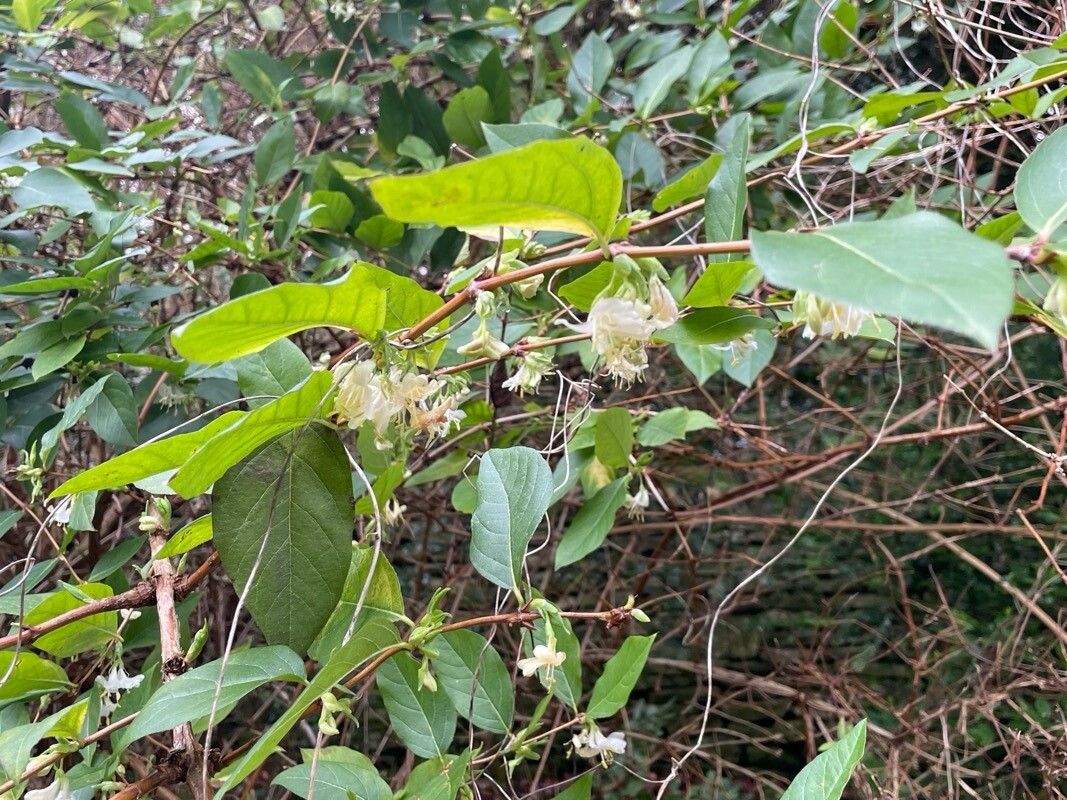
Spreading the Sweet Scent: How to Propagate Lonicera Fragrantissima (Winter Honeysuckle)
Lonicera fragrantissima, also known as Winter Honeysuckle, is a delightful deciduous vine that brings fragrant joy to the garden, even in the cold months. Its delicate white flowers release a sweet, almost intoxicating scent, adding a touch of spring to the winter landscape. But beyond its beauty, Winter Honeysuckle is incredibly easy to propagate, allowing you to share this delightful plant with friends and fill your garden with its fragrance.
Methods for Propagation:
There are two primary ways to propagate Lonicera fragrantissima:
- Softwood Cuttings: This method utilizes the new, soft growth from the current year’s stems.
- Timing is Key: The best time for taking softwood cuttings is during spring or early summer when the stems are still pliable and actively growing.
- The Process:
- Select 4-6 inch cuttings: Choose healthy, non-flowering stems with at least two sets of leaves.
- Make a clean cut: Use sharp pruning shears to make a clean cut just below a leaf node.
- Remove lower leaves: Trim off any leaves that will be below the soil line when you pot the cutting.
- Dip in rooting hormone: This optional step can encourage root development and increase your success rate.
- Pot in moist rooting medium: Use a well-draining mixture like peat moss and perlite, and gently firm the medium around the cutting.
- Provide humidity: Cover the pot with a plastic bag or dome to create a humid environment.
- Monitor for roots: In a few weeks, you should see signs of new growth, indicating that roots are forming.
- Gradually acclimate: Once the cuttings are rooted, slowly introduce them to outdoor conditions.
- Layering: This method involves bending a stem into contact with the soil, encouraging it to root before being separated from the parent plant.
- Types of Layering:
- Tip layering: The tip of a stem is bent and buried in the soil.
- Simple layering: A portion of the stem is bent down and secured to the soil.
- Air layering: A section of stem is wrapped in moist sphagnum moss and covered with plastic to promote root growth.
- The Process:
- Choose a stem: Select a healthy, flexible stem from the base of the plant.
- Prepare the soil: Ensure that the area where you will layer the stem has loose, well-drained soil.
- Make a cut: Make a small cut on the stem at the point where you want it to root.
- Bend and secure: Bend the stem gently towards the ground, ensuring the cut area is in contact with the soil. Use a rock, wire staple, or wooden peg to secure the stem in place.
- Monitor for roots: It takes several months for the stem to root. You can check by gently pulling up on the stem. If resistance is felt, roots are forming.
- Separate: Once roots have developed, carefully cut the newly rooted stem from the parent plant.
- Types of Layering:
Tips for Success:
- Choose the right time: The timing of propagation is critical for success. Softwood cuttings are best taken during spring and summer, while layering is possible throughout the growing season.
- Provide consistent moisture: Keep the rooting medium evenly moist, avoiding overwatering.
- Give them light: Place cuttings and layered stems in a bright location, but avoid direct sunlight.
- Be patient: Propagation takes time. Don’t get discouraged if you don’t see results immediately.
Benefits of Propagation:
- Cost-effective: Propagating your own Lonicera fragrantissima is much cheaper than buying new plants.
- Free plants: Sharing cuttings or layered stems with friends and family is a wonderful way to spread the beauty of this fragrant vine.
- Variety: If you have different cultivars of Lonicera fragrantissima, you can create new and unique varieties by propagating them.
With a little patience and care, you can easily propagate Lonicera fragrantissima and enjoy the sweet scent of this delightful vine in your garden for years to come. And who knows, you might even inspire your friends and neighbors to share the fragrance!