
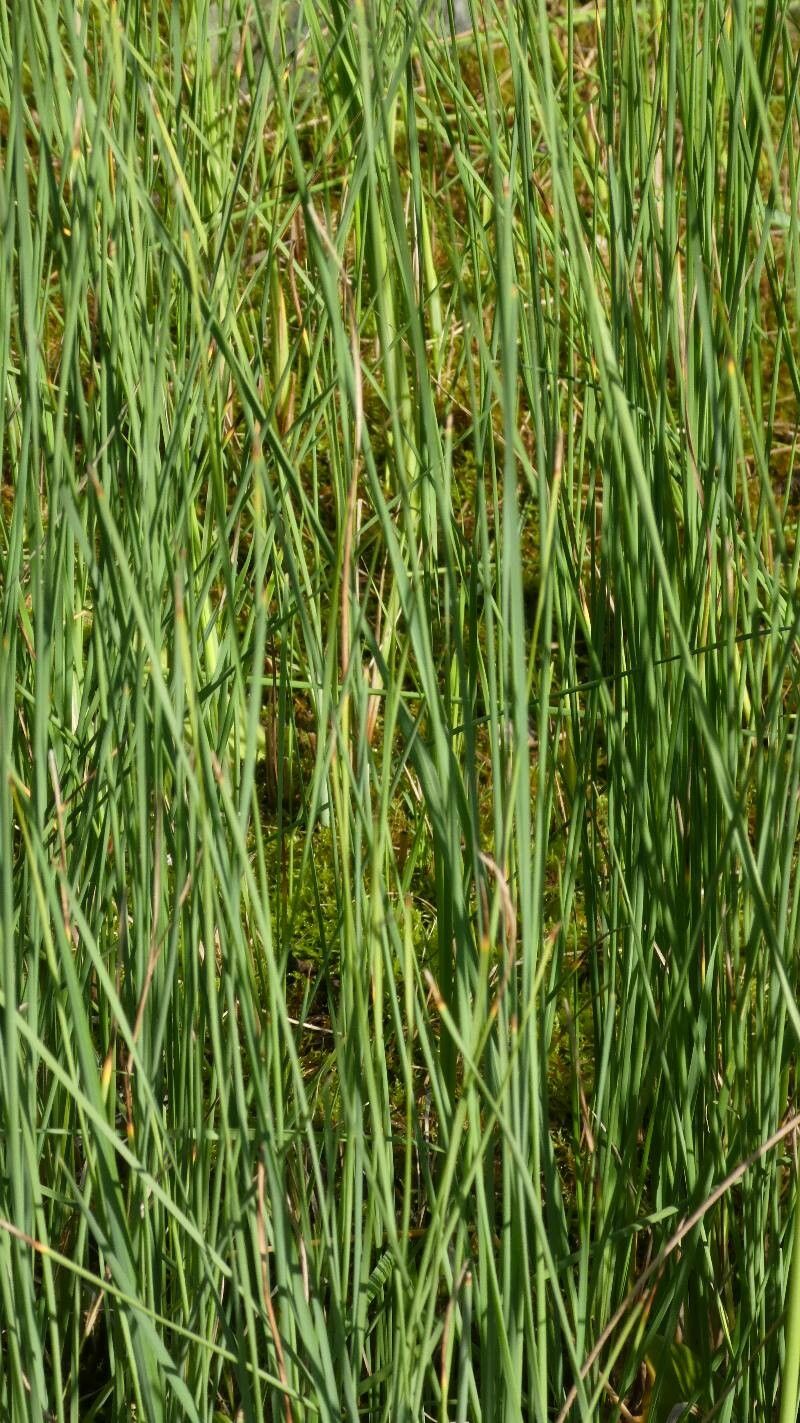
Tiny but Mighty: Propagating Typha minima for a Thriving Pond
Typha minima, also known as the dwarf cattail, is a charming little plant with a big personality. While its larger cousin, the common cattail (Typha latifolia), is a familiar sight in wetlands, Typha minima offers a more compact and manageable option for smaller water features. And best of all, it’s amazingly easy to propagate!
Why Choose Typha minima?
This petite cattail boasts several advantages that make it a favorite among pond enthusiasts:
- Compact Size: Typha minima reaches heights of only 1-2 feet, making it ideal for smaller ponds and containers.
- Attractive Appearance: Its slender, grass-like leaves create a visually appealing, vertical texture, while the distinctive brown “cattail” spikes add a unique touch.
- Natural Filtration: Like its larger relatives, Typha minima effectively absorbs excess nutrients from the water, contributing to a healthy pond ecosystem.
- Wildlife Habitat: The dense foliage provides shelter and nesting material for a variety of aquatic insects, amphibians, and birds.
Propagating Typha minima: Two Easy Methods
Typha minima can be easily propagated using two methods: division and seed collection.
1. Division:
- Timing: Spring or early summer is the ideal time for division.
- Procedure: Simply dig up a mature clump and carefully separate it into smaller divisions, ensuring each division has healthy roots and foliage.
- Planting: Plant the divisions in your desired location, ensuring they are submerged in water.
2. Seed Collection:
- Timing: Collect seeds in the late summer or early fall after the “cattail” spikes turn brown and release their seeds.
- Procedure: Carefully cut the mature spikes and place them in a paper bag. Allow the seeds to dry out over a few weeks.
- Planting: Once dry, you can scatter the seeds directly onto the surface of the water or pot them in a mixture of peat moss and sand.
Tips for Success:
- Choose the Right Location: Typha minima prefers full sun to partial shade and thrives in shallow water with a depth of 6-12 inches.
- Provide Nutritious Soil: The ideal soil for Typha minima is rich in organic matter and slightly acidic.
- Monitor Growth: Once established, Typha minima can grow rapidly, so regular trimming may be necessary to maintain the desired size and shape.
Beyond the Basics:
For those looking for a more advanced approach, you can even propagate Typha minima using root cuttings. Simply take a section of the root, plant it in a pot filled with moist soil, and keep it in a warm, humid environment.
In Conclusion:
Typha minima is a low-maintenance and rewarding plant that can add beauty and ecological value to your pond or water garden. With its easy propagation methods, you can quickly expand your collection and share this delightful plant with others. So, dive in and enjoy the magic of propagating this tiny but mighty cattail!