
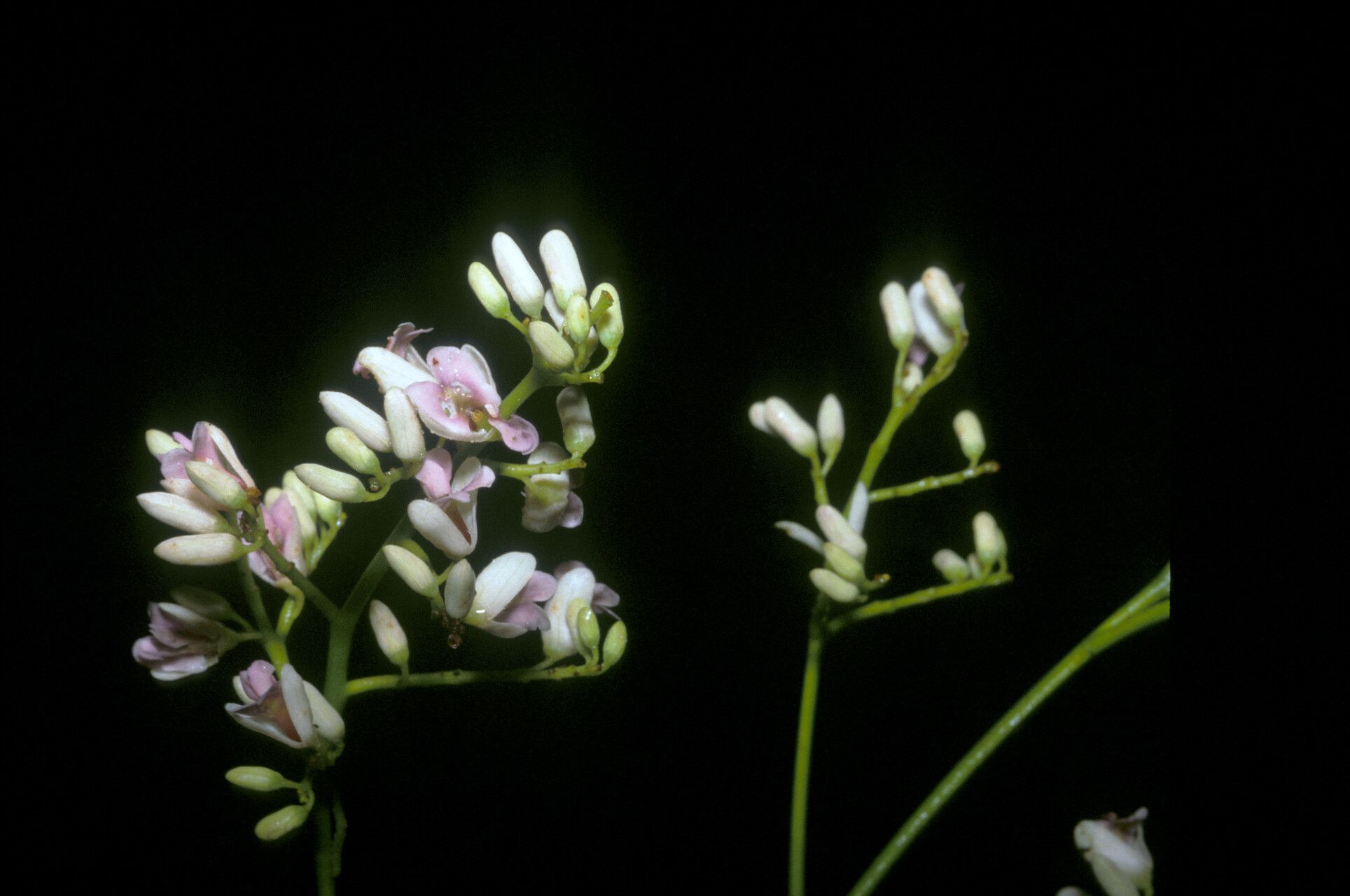
From Seed to Sapling: Unlocking the Secrets of Dipteryx Oleifera Propagation
Dipteryx oleifera, often called “Cumaru” or “Tonka Bean,” is a fascinating tropical tree with a rich history and a unique flavor profile. But beyond its culinary and medicinal uses, this resilient species holds immense ecological value. So, how can you contribute to its conservation and potentially enjoy its benefits yourself? The answer lies in propagation.
The Basics of Seed Propagation
Dipteryx oleifera, like many tropical trees, relies on seeds for reproduction. These seeds, typically found within pods, are hard and require a bit of finesse to germinate. Here’s a breakdown of the process:
- Seed Collection: Gather mature pods from healthy trees, ensuring they’re brown and showing signs of cracking.
- Seed Extraction: Carefully remove the seeds from the pods, taking care not to damage them.
- Pre-Treatment: Dipteryx oleifera seeds are known for dormancy. To break it, you can try scarification (slightly scratching the seed coat) or soaking them in warm water for a few days.
- Sowing: Sow the seeds in a well-draining seedbed or containers filled with a suitable potting mix. Maintain a consistent moisture level and a warm temperature (around 25°C or 77°F) for optimal germination.
- Germination: Patience is key! Dipteryx oleifera seeds can take weeks or even months to germinate. Keep an eye out for signs of emerging seedlings.
- Transplanting: Once seedlings have developed a strong root system (usually a few months after germination), they can be transplanted into larger containers or directly into the ground in a tropical environment.
Beyond Seeds: Exploring Alternative Methods
While seed propagation is the most common method, Dipteryx oleifera can also be propagated through cuttings and grafting.
- Cuttings: This method involves taking a healthy section of a stem and rooting it to create a new plant. While slightly more complex than seed propagation, it can speed up the process and ensure genetic uniformity.
- Grafting: This technique involves joining a piece of the desired plant (scion) onto a compatible rootstock. It allows for maintaining specific characteristics of the mother plant, ensuring desirable traits like disease resistance or high fruit production.
Factors Affecting Propagation Success
Besides the technique itself, several factors can influence propagation success:
- Climate: Dipteryx oleifera thrives in tropical climates with high humidity and ample sunlight.
- Soil: The species prefers well-drained, sandy loam soil with a slightly acidic pH.
- Water: Consistent moisture is crucial for successful germination and seedling growth.
- Nutrient availability: Regular fertilization with a balanced fertilizer can ensure optimal growth.
- Pest and disease control: Monitor for any signs of pests or diseases and take appropriate action to prevent infestations.
Conclusion
Propagating Dipteryx oleifera can be a rewarding experience, allowing you to contribute to its conservation and potentially enjoy its diverse benefits. Whether you choose to start from seeds or explore other techniques, understanding the intricacies of its propagation ensures a higher chance of success. So, why not join the journey of growing this fascinating tree? Your efforts can not only contribute to its future, but also potentially enrich your life with the unique flavors and ecological benefits it offers.