
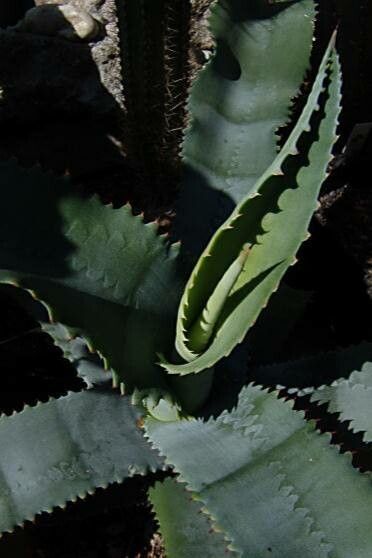
From One to Many: Propagating Your Agave Gypsophila
Agave gypsophila, with its striking silver-blue foliage and dramatic, blooming stalks, is a captivating addition to any garden. But what if you want to share this beauty with friends or fill your garden with more of these fascinating plants? The answer lies in the art of propagation.
Agave gypsophila, like many other agaves, can be propagated through two primary methods: offsets and seeds. Let’s dive into the details of each and help you choose the method that best suits your needs.
1. The Offset Advantage: A Speedy Way to Grow
Offsets, also known as “pups,” are baby agave plants that naturally emerge from the base of the mother plant. They offer a quick and reliable way to expand your agave collection.
- When to Separate: Offsets are typically ready for separation when they reach about one-third the size of the mother plant. This usually takes a couple of years.
- The Process: Gently detach the offset from the mother plant using a sharp knife or a pair of garden shears. Make sure to cut through the base of the offset, leaving a clean, smooth wound.
- Planting and Care: After the wound has dried for a few days, plant the offset in a well-draining potting mix. Initially, water lightly and only when the soil is dry to prevent root rot. Provide plenty of sunlight and warmth (especially if you’re propagating in a colder climate).
2. The Seed Strategy: A Journey from Tiny Beginnings
For a fresh start and to potentially introduce new variations to your collection, starting from seed is another appealing option. Here’s how to do it:
- Collecting Seeds: Agave gypsophila blooms only once in its lifetime, producing a tall stalk topped with clusters of flowers. Once the flowers fade, they gradually give way to seedpods. Collect these pods when fully dried and brown.
- Sowing the Seeds: Sow the seeds in a well-draining potting mix, lightly covering them with soil. Don’t bury the seeds too deeply, as they need light to germinate. Keep the soil moist but not soggy.
- Germination: Agave gypsophila seeds usually germinate within a few weeks. Provide consistent warmth and bright, indirect light. The seedlings will take a while to mature, but with patience, you’ll soon have a new generation of agaves.
Choosing the Right Method: Ultimately, the best method depends on your personal preference and time constraints.
- Offsets: Offer a faster and less demanding approach, allowing you to quickly expand your agave collection.
- Seeds: Provide opportunities for new variations and allow you to witness the full lifecycle of this fascinating plant.
Extra Tips for Success:
- Choose a Well-Draining Potting Mix: Agave gypsophila thrives in well-draining soil, so avoid mixes that retain moisture.
- Provide Plenty of Sunlight: These plants crave ample sunshine, especially during their growing season.
- Protect from Frost: Agave gypsophila is not frost-tolerant, so bring your plants indoors or cover them during cold weather.
With these simple guidelines, propagating your agave gypsophila from offsets or seeds becomes an achievable and rewarding experience. Enjoy the journey of watching these remarkable plants grow, one leaf at a time, and share their beauty with others.