
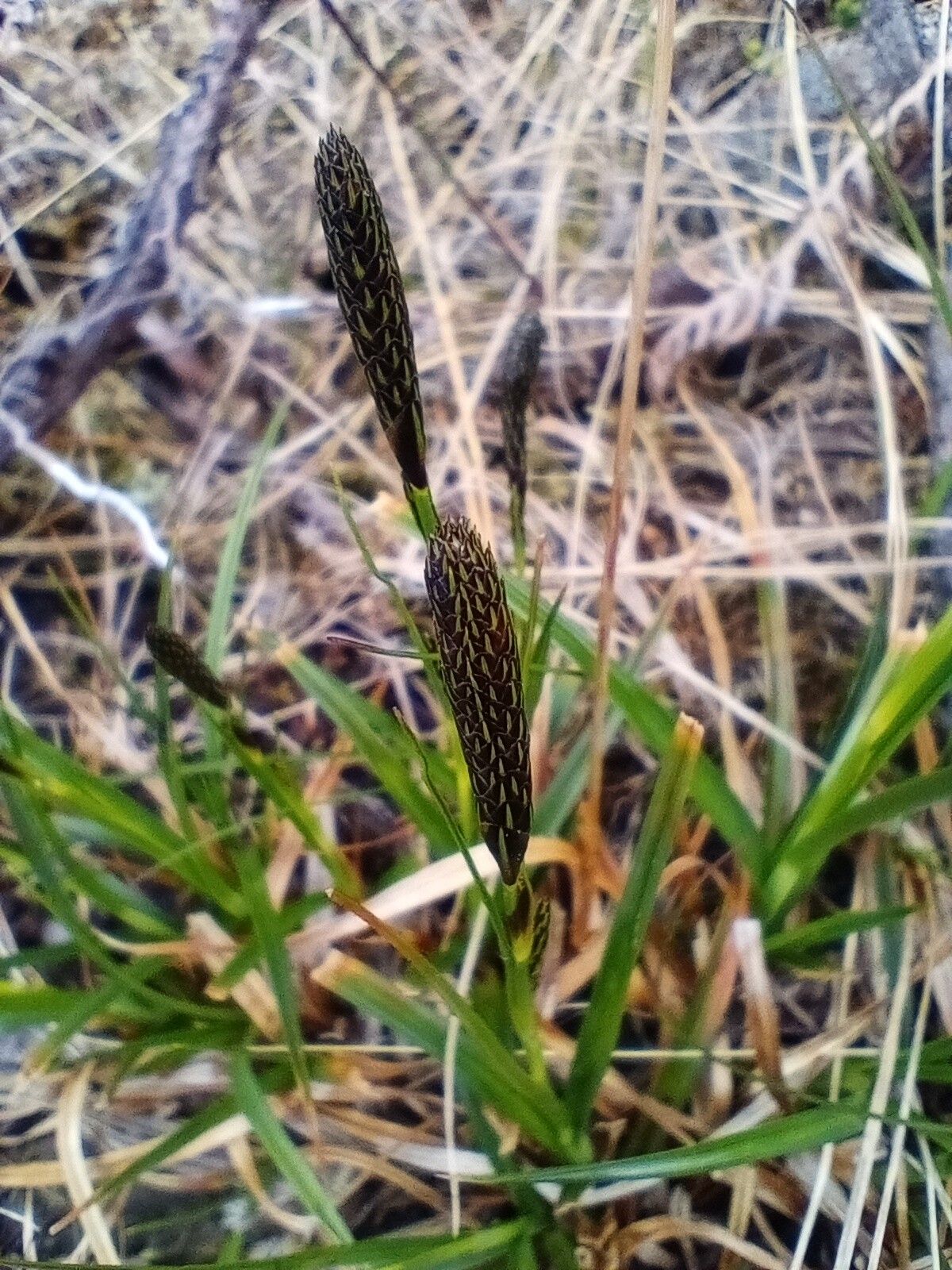
Bringing the Wild Home: Propagating Carex bigelowii for Lush Landscapes
Carex bigelowii, commonly known as Bigelow’s Sedge, is a tough and beautiful native grass that thrives in a variety of conditions. Its graceful foliage and low-maintenance nature make it an excellent choice for gardeners looking to introduce a touch of the wild into their landscapes. But if you’re hoping to expand your Bigelow’s Sedge collection or share its beauty with friends, you’ll need to know how to propagate it.
Luckily, this versatile plant offers a few methods for successful propagation:
1. Division:
The most common and effective method for propagating Carex bigelowii is through division. Here’s how it works:
- Timing: Spring or early fall are the ideal times for dividing Bigelow’s Sedge.
- Preparation: Choose a healthy clump that’s at least 3 years old. Gently dig around the base of the plant, taking care not to damage the roots.
- Dividing: Use a sharp knife or spade to separate the clump into smaller sections, making sure each division has a good portion of roots and healthy foliage.
- Planting: Plant the divisions in a well-drained soil with plenty of organic matter. Space them about 1-2 feet apart. Water thoroughly after planting.
2. Seed Propagation:
While division is the easiest route, propagating Bigelow’s Sedge from seed is also possible. It just requires a bit more patience.
- Harvesting Seeds: Look for brown seed heads starting to appear in late summer or early fall. Collect the seed heads before they drop their seeds.
- Cleaning and Storing: Remove the seeds from the seed heads and let them air dry for a few days. Store them in a cool, dry place until ready to sow.
- Sowing: Sow seeds in a seed tray filled with a seed-starting mix. Lightly cover the seeds with soil and mist them with water.
- Germination: Keep the soil moist and maintain a room temperature of around 70°F. Germination can take anywhere from a few weeks to a couple of months.
- Transplanting: Once the seedlings have developed a couple of true leaves, you can transplant them into individual pots or directly into your garden.
Important Considerations for Successful Propagation:
- Watering: Water your newly propagated plants regularly, especially during the first few weeks after planting.
- Light: Carex bigelowii prefers partial shade, so make sure the new plants receive ample light but not harsh sun.
- Soil: Use well-draining soil that’s slightly acidic.
- Fertilizer: Bigelow’s Sedge is low-maintenance but benefits from a light application of organic fertilizer in the spring.
Beyond Propagation: Using Carex bigelowii in Your Garden:
Bigelow’s Sedge is a versatile addition to your landscape. It can be used as:
- Groundcover: Its spreading nature and dense foliage are perfect for creating a lush groundcover.
- Border Plant: Along paths and walkways, it adds visual appeal and soft texture.
- Container Plant: It can thrive in pots and containers, adding a touch of rugged beauty to your patio or balcony.
- Erosion Control: Its robust root system helps stabilize slopes and prevent erosion.
By following these propagation techniques, you can enjoy the beauty and resilience of Carex bigelowii in your garden for years to come. Whether you choose to divide existing clumps or start from seed, these methods offer an opportunity to create a lush and low-maintenance landscape that reflects the wild charm of nature.