
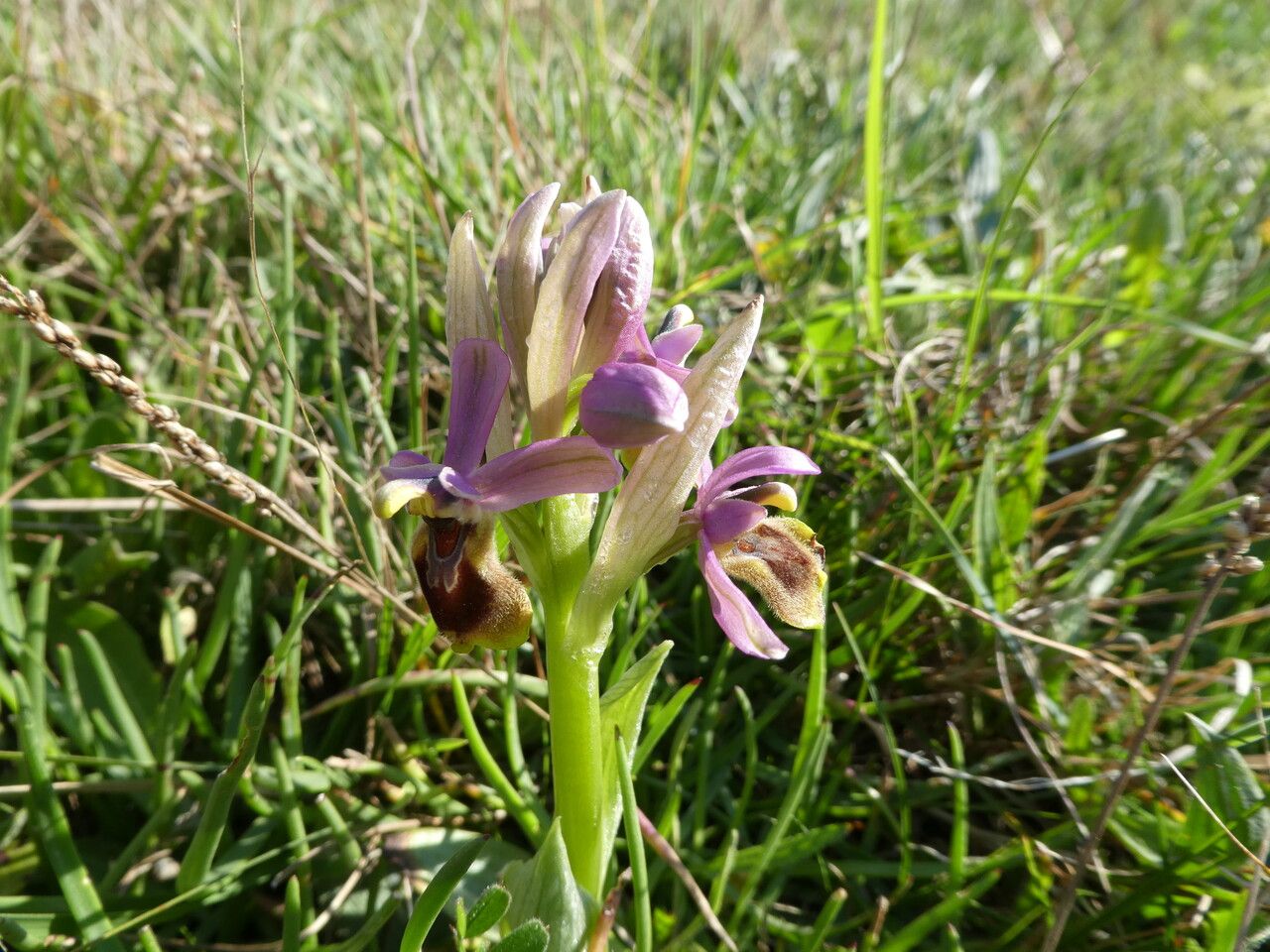
More Than Just a Pretty Face: Unveiling the Secrets of Ophrys tenthredinifera Propagation
The Ophrys tenthredinifera, also known as the Sawfly Orchid, is a captivating wildflower that ignites the curiosity of nature enthusiasts. Its delicate petals resemble a sawfly insect, a clever evolutionary adaptation that attracts pollinating wasps. But beyond its mesmerizing mimicry lies a fascinating world of propagation, a journey that requires patience, understanding, and a touch of nature’s magic.
The Challenge of Propagation: While the allure of growing this orchid at home is tempting, the journey is not for the faint of heart. Ophrys tenthredinifera relies heavily on symbiotic relationships with mycorrhizal fungi in the soil, making artificial cultivation a complex endeavor. These fungi, essential for nutrient absorption, are notoriously difficult to replicate in a controlled environment.
The Seed’s Silent Journey: The orchid’s propagation begins with the humble seed, a miniature marvel encapsulating the potential for a new life. However, these seeds lack the necessary food reserves for germination. They need the presence of specific mycorrhizal fungi to provide nutrients and initiate growth. This symbiotic relationship is a delicate dance, making seed propagation a challenging task.
A Symbiotic Solution: In nature, the orchid’s seed travels with the wind, eventually landing in a suitable habitat where mycorrhizal fungi are present. The fungi penetrate the seed and provide the necessary food for germination. This intricate process can take several years to produce a flowering plant, highlighting the slow, patient rhythm of nature.
The Alternatives: If the challenges of seed propagation seem daunting, there are alternative methods to bring this captivating orchid into your garden:
- Division: This technique involves carefully separating mature plants into smaller divisions, each containing a portion of the root system. This method requires a skilled hand and careful handling to ensure the success of each new plant.
- Tissue Culture: This laboratory-based technique involves cultivating plant cells in a controlled environment. While effective, tissue culture requires specialized facilities and expertise, making it less accessible for the home gardener.
Respecting the Wild: Although the desire to grow this mesmerizing orchid is understandable, it’s crucial to respect its natural habitat. Removing plants from the wild can disrupt delicate ecosystems and lead to their decline.
The Journey Continues: Propagating Ophrys tenthredinifera is a testament to the intricate dance of nature, where symbiotic relationships and patience are key. While challenges exist, the reward of witnessing this fascinating orchid bloom in your garden is a testament to your dedication and a celebration of the natural world’s awe-inspiring beauty.
Remember, for a rewarding and successful journey, consider consulting with experienced orchid growers, seeking guidance from reputable sources, and ensuring sustainable practices that support the preservation of this captivating wildflower.