
From Seed to Stink: How to Propagate the “Carrion Flower” (Stapelia gigantea)
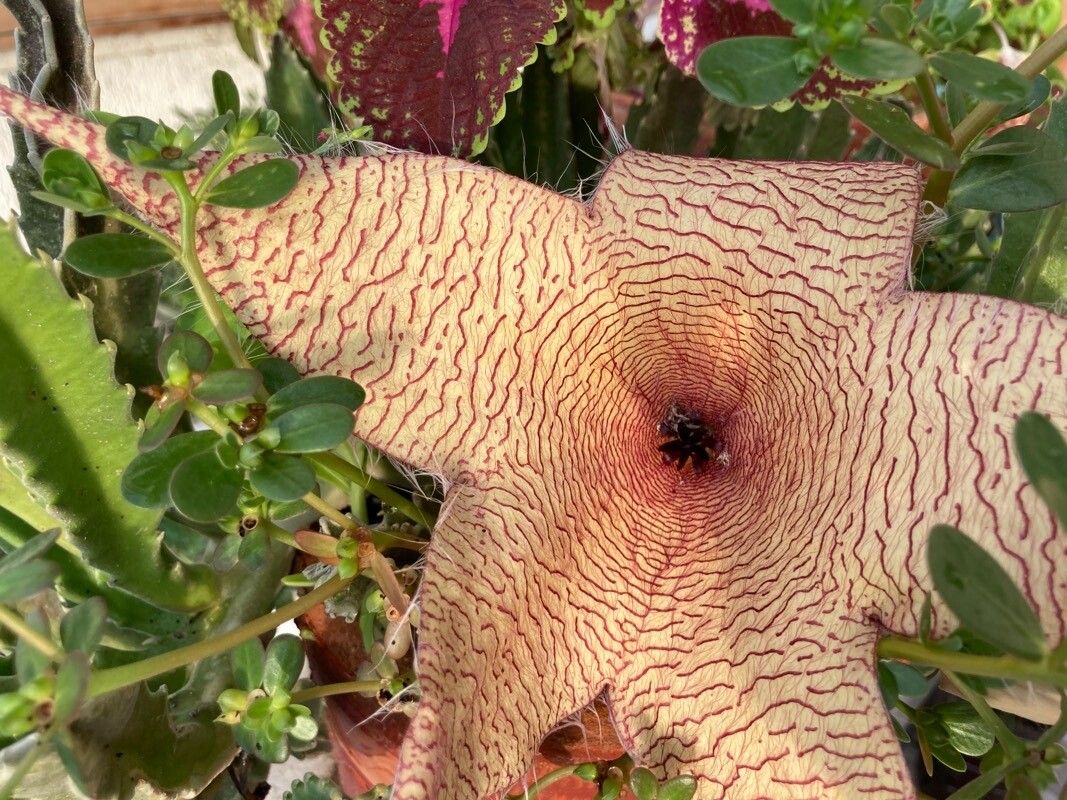
The Stapelia gigantea, better known as the “Carrion Flower,” is a captivating succulent that draws attention for its unusual appearance and unique scent. Its star-shaped, fleshy blooms can reach sizes larger than dinner plates and emit a putrid odor that mimics rotting flesh. This potent aroma attracts flies, which serve as essential pollinators for this fascinating plant.
For plant enthusiasts eager to cultivate their own “Carrion Flower” at home, propagation is the most rewarding way to experience the joy of watching this quirky succulent flourish. Let’s explore the different ways to propagate Stapelia gigantea, guiding you through the process with easy-to-follow steps.
1. Propagation from Seed:
- Gathering Seeds: Collect seeds from mature, dried out seed pods that have turned brown and dry. The seeds are small and light, making them easy to scatter and germinate.
- Sowing Seeds: Choose a well-draining seed-starting mix and fill shallow trays or pots. Scatter the seeds on the surface of the soil, lightly cover them with a thin layer of mix, and mist them gently with water.
- Environment: Maintain consistent warmth (around 70°F) and humidity for optimum germination. Cover the trays with a clear plastic dome or wrap to retain moisture.
- Germination: Stapelia gigantea seeds can take anything from a few weeks to several months to germinate. Patience is key!
- Transplanting: Once seedlings develop their first true leaves, carefully transplant them into individual pots filled with well-draining cactus potting mix.
2. Propagation from Leaf Cuttings:
- Cutting Selection: Choose healthy, mature leaves from a healthy plant. Using a sharp, clean knife or scissors, make a clean cut at the base of the leaf.
- Drying: Allow the cut end of the leaf to dry and callous over for a day or two. This promotes root development and prevents rot.
- Planting: Fill small pots with well-draining cactus potting mix. Insert the cut end of the leaf into the mix, ensuring that the base of the leaf is buried. Water sparingly, allowing the soil to dry out between waterings.
- Root Development: New roots will start to form within a few weeks. Once the roots have established, the leaf cutting will begin to develop new growth.
3. Propagation from Stem Cuttings:
- Cutting Selection: Select a healthy stem from your Stapelia gigantea plant. Make a clean cut using a sharp knife or scissors.
- Callusing: Allow the cut end of the stem to dry and callous over for a day or two before planting.
- Planting: Prepare small pots with well-draining cactus potting mix. Insert the calloused end of the stem into the mix and lightly tamp it down.
- Watering: Water sparingly, making sure the soil doesn’t stay wet for long periods.
Key Tips for Success:
- Well-draining Soil: Use cactus potting mix or a similar well-draining medium to prevent root rot.
- Sunlight: Stapelia gigantea thrives in bright, indirect sunlight. Avoid direct midday sun, especially during the hottest months.
- Watering: Water sparingly, allowing the soil to dry out completely between waterings. Overwatering is the most common cause of problems with Stapelia gigantea.
- Fertilizing: Feed your plants with a balanced cactus fertilizer during the growing season (spring and summer).
By following these guidelines, you can successfully propagate your own “Carrion Flower” and enjoy the unique beauty and intrigue of this extraordinary succulent. Its unusual appearance and pungent scent might not appeal to everyone, but for those who appreciate the bizarre and the oddities of nature, the Stapelia gigantea offers a captivating and rewarding gardening experience.