
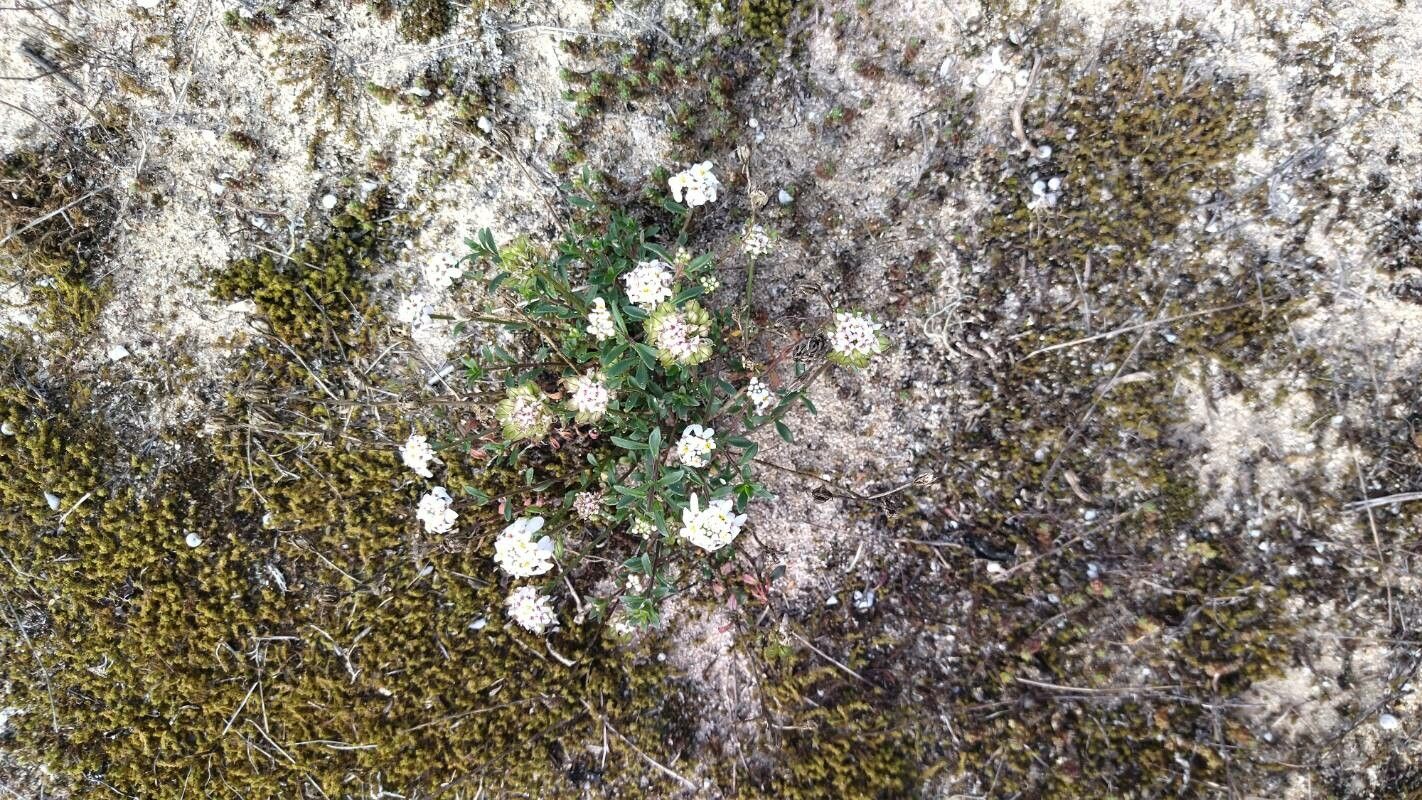
From a Single Stem to a Carpet of Blooms: Propagating Iberis procumbens, the Candytuft You Can’t Resist
Iberis procumbens, better known as the “Candytuft”, is a captivating groundcover prized for its delicate, white blooms and evergreen foliage. But its beauty is only surpassed by its ease of propagation! This makes it an ideal choice for both seasoned gardeners and beginners looking to expand their green space.
Whether you want to fill a hanging basket, add a splash of white to your rock garden, or simply enjoy a sea of tiny white blossoms cascading over your flower beds, this guide will equip you with everything you need to propagate your own Candytuft.
Understanding Propagation Methods for Iberis
There are two primary ways to propagate Iberis procumbens:
1. Seed Propagation:
- Pros: Seeds are easy to obtain and readily available, offering multiple plants for a fraction of the cost. This method also allows for increased genetic diversity, leading to vibrant, healthy plants.
- Cons: Seeds can be slow to germinate and require a little more patience.
2. Stem Cuttings:
- Pros: Stem cuttings produce plants that are genetically identical to the parent plant, preserving its unique traits. This method is also faster than seed propagation, offering quicker results.
- Cons: Obtaining cuttings might necessitate buying a mature plant, and they can be slightly more challenging for beginners.
Choosing the Right Method:
- For beginner gardeners or those looking for a cost-effective way to grow Iberis, seed propagation is the ideal choice.
- For those seeking a quicker method and wanting to preserve specific traits, stem cuttings are the way to go.
Step-by-Step Propagation Guide:
Seed Propagation:
- Start Seeds Indoors: Sow seeds in seed trays or pots filled with moist, well-draining seed-starting mix. Cover the seeds lightly with soil, as they need light to germinate.
- Maintain Moisture: Keep the soil consistently moist, but not soggy.
- Provide Light: Place the seeds in a bright location with indirect sunlight, or under grow lights.
- Germination Process: Germination usually occurs within 2-3 weeks, depending on temperature and light conditions.
- Thin Seedlings: Once the seedlings have a few true leaves, thin them out to allow for proper growth.
- Hardening Off Before Planting: Before transplanting outdoors, acclimate the seedlings to outdoor conditions by gradually exposing them to sun and wind over a week or two.
- Plant Outdoors: Find a sunny spot with well-drained soil and space the seedlings 6-12 inches apart.
Stem Cutting Propagation:
- Choose Healthy Cuttings: Select healthy, non-flowering stems from the current year’s growth.
- Cuttings & Dipping: Make a clean cut just below a leaf node (where leaves emerge from the stem). Dip the cut end in rooting hormone to stimulate root growth.
- Potting Medium: Fill small pots or trays with a mixture of peat moss and perlite for drainage.
- Planting the Cuttings: Insert the cuttings into the potting medium, ensuring at least two leaf nodes are below the soil. Gently pack the soil around the cuttings.
- Create a Humid Environment: Cover the cuttings with a plastic dome or bag to maintain high humidity.
- Light & Watering: Place the cuttings in a bright location with indirect sunlight. Keep the potting mix consistently moist.
- Root Development: Roots generally develop within 4-6 weeks.
- Transplanting: Once the cuttings are rooted, harden them off and carefully transplant them to their permanent locations.
Maintenance & Enjoyment:
- Iberis procumbens thrives in full sun to partial shade and prefers well-drained soil.
- It’s drought tolerant, but regular watering, especially during dry spells, is beneficial.
- Prune after flowering to encourage new growth and maintain a compact shape.
- Enjoy the beauty of your own propagated Candytuft for years to come.
With a little patience and effort, you can successfully propagate your own Iberis procumbens, spreading its charm and adding a touch of delicate beauty to your landscape. So, why wait? Get started today and enjoy the rewards of this rewarding gardening venture.