
Unlock the Secrets to Propagating Albuca Abyssinica: A Guide for Beginners
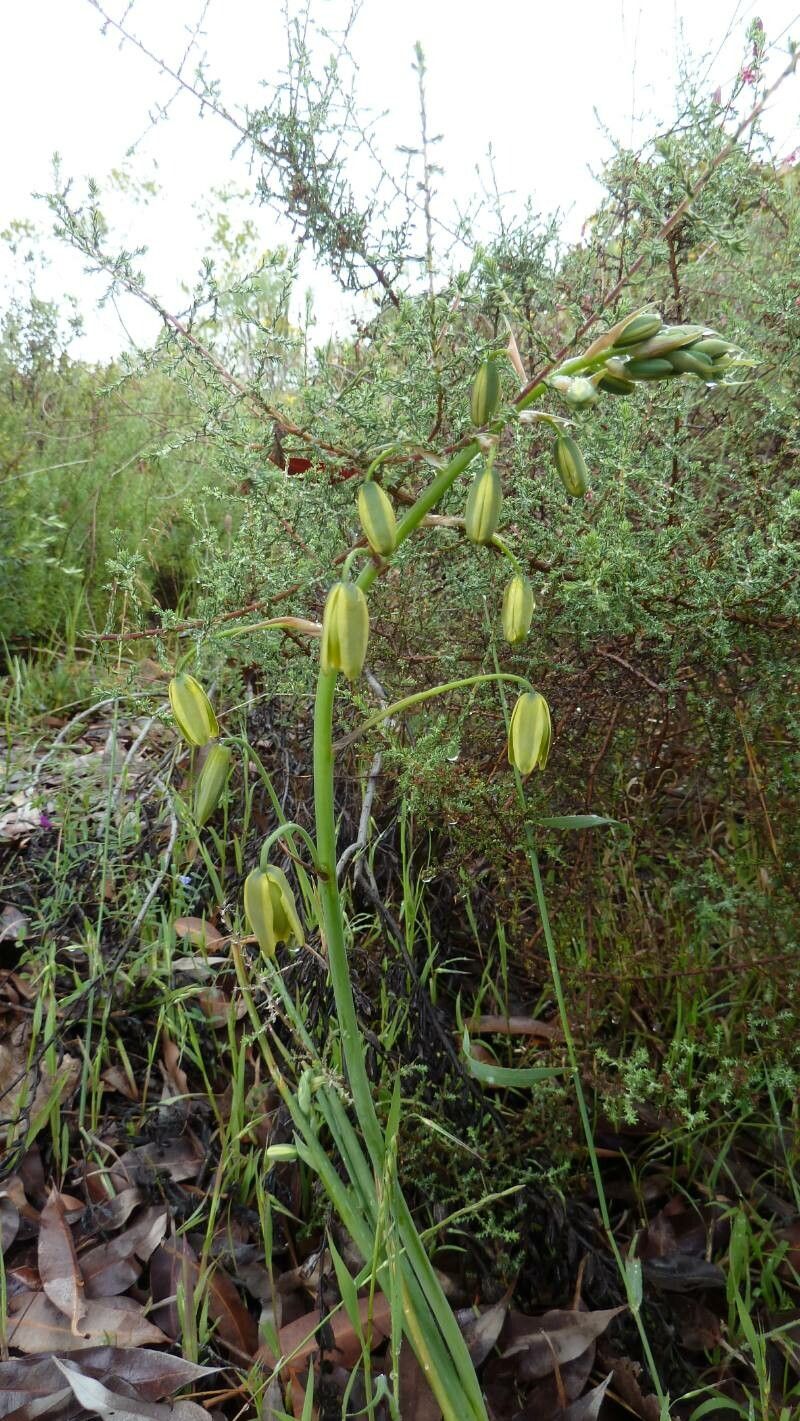
The Albuca abyssinica, also known as the “Onion Plant” due to its bulbous base, is a fascinating succulent with striking, elongated leaves and charming, fragrant flowers. Despite its unique appearance, this plant is surprisingly easy to propagate, allowing you to expand your collection or share the joy of this beautiful species with others.
This guide will walk you through the various methods for propagating Albuca abyssinica and equip you with the knowledge to nurture its growth from seed to maturity.
1. Propagation from Seed
Patience is key: Growing Albuca abyssinica from seed requires a bit of patience as it can take several weeks for germination. However, it is a rewarding experience.
Here’s how:
- Collect seeds: Seeds can be collected from mature seed pods that appear after flowering.
- Prepare the seedbed: Choose a well-draining potting mix and fill a seed tray or small pots. Gently press the seeds into the soil – avoid burying them too deeply.
- Moistening and warmth: Water the seedbed lightly, ensuring the soil is moist but not soggy. Place the tray in a warm, bright location with indirect sunlight.
- Germination and care: Germination can take 2-4 weeks. Keep the soil consistently moist and thin out seedlings if they become too crowded. Once the seedlings have developed a few true leaves, they can be transplanted into individual pots.
2. Bulb Division: Quick and Easy
The simplest method: Propagating Albuca abyssinica using bulb division is a straightforward process, ideal for expanding your collection quickly.
Here’s how:
- Choose the right time: The best time to divide bulbs is during the dormant period, typically in late summer or early fall.
- Carefully remove the bulbs: Gently lift the plant from its pot and separate the bulbs, ensuring each division has at least one growth point or bud.
- Repotting: Plant each bulb division in a separate pot, using a well-draining potting mix. Water thoroughly, allowing the soil to drain.
3. Leaf Cuttings: An Alternative Method
Less common but effective: While not as widely practiced as seeds or bulb division, propagating Albuca abyssinica from leaf cuttings is possible.
Here’s how:
- Prepare the cutting: Choose a healthy, mature leaf and cut it just below a node. Allow the cutting to callous over for a few days.
- Planting: Insert the calloused end of the leaf cutting into a well-draining potting mix. Water lightly to maintain moisture.
- Patience and care: Leaf cuttings often take longer to root than other methods. Keep the potting mix lightly moist and provide bright indirect light. Patience is key as roots can develop within a few months.
Tips for Successful Propagation
- Use quality potting mix: Opt for a mixture designed specifically for succulents, ensuring good drainage.
- Provide adequate light: Albuca abyssinica thrives in bright, indirect light.
- Water sparingly: Allow the soil to dry out slightly between waterings to prevent root rot.
- Fertilize occasionally: Apply a balanced liquid fertilizer diluted to half strength during the active growing season.
With the right techniques and care, propagating Albuca abyssinica is an achievable goal, allowing you to enjoy the beauty of this unique plant for years to come. Whether you choose seeds, bulb division, or leaf cuttings, the joy of witnessing new life emerge will surely enhance your connection with this remarkable species.