
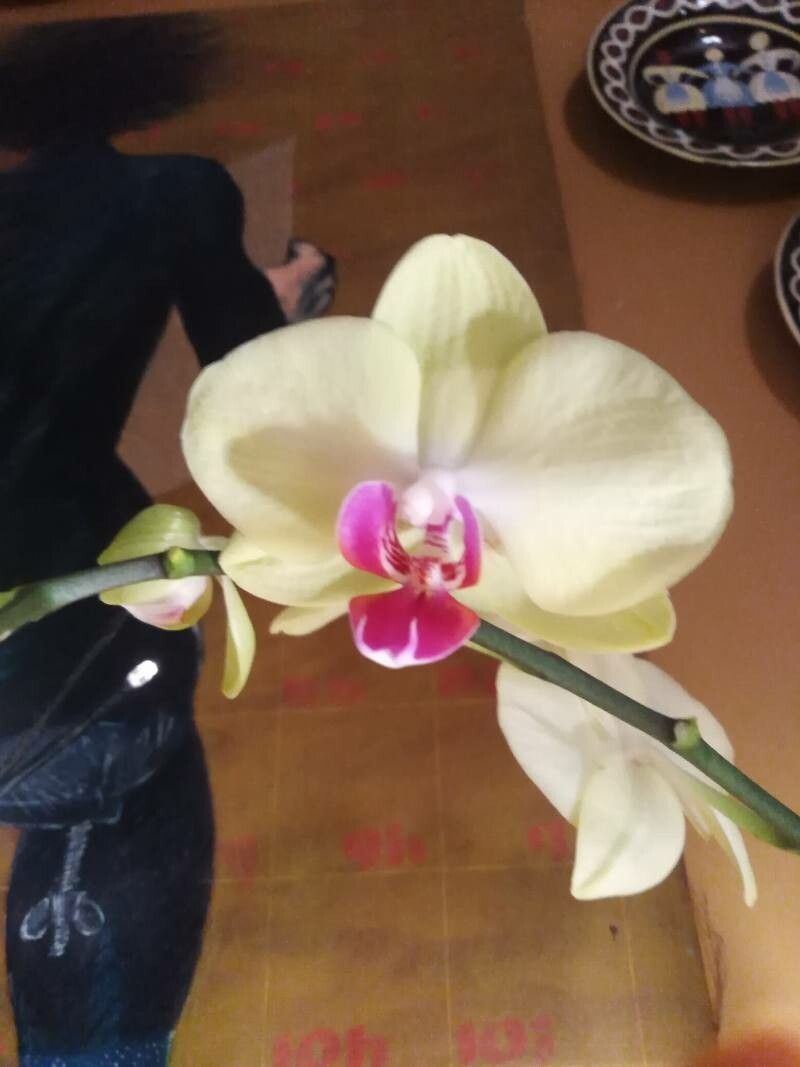
Unlocking the Secrets of Phalaenopsis Fimbriata Propagation: From Cutting to Blooming Beauty
The Phalaenopsis fimbriata, with its delicate, fringed petals and alluring fragrance, is a captivating orchid that often sparks a desire for propagation. But unlike many other orchids, the fimbriata presents unique challenges in the realm of breeding. Let’s delve into the world of Phalaenopsis fimbriata propagation and explore the methods, challenges, and tips for success.
The Delicate Dance of Reproduction:
Phalaenopsis fimbriata, like many orchids, relies on pollination for seed production. This usually requires the intervention of insects or, in controlled environments, hand pollination. The seeds themselves are dust-like and require specialized germination media and conditions. This process is often best left to experienced orchid breeders, as it requires a high level of knowledge and precision.
The Real Beauty Lies in Tissue Culture:
The most reliable and successful method for propagation is through tissue culture. This technique, usually performed in a laboratory setting, involves growing plant cells in a sterile, nutrient-rich medium. This allows for the mass production of genetically identical plantlets, ensuring the preservation of the unique characteristics of the Phalaenopsis fimbriata.
Exploring Alternative Options:
While tissue culture is the preferred method, there are alternative propagation techniques that are less reliable but worth exploring:
Keiki Production: Keikis are miniature plantlets that can sometimes form on the flower spike or along the stem of the parent orchid. With patience and careful cultivation, these keikis can be separated and grown into independent plants. However, this method is infrequent and requires optimal growing conditions.
- Air Layering: This technique involves carefully removing a section of the stem, exposing the cambium layer, and wrapping it in a moist moss medium. Over time, roots will develop at the cut, allowing the segment to be separated and potted. Although this method has been attempted with other Phalaenopsis orchids, its success with the fimbriata is limited due to its unique growth habits.
Understanding the Challenges:
Propagation of the Phalaenopsis fimbriata can be a demanding endeavor, often with unpredictable results.
- Limited Resources: Access to tissue culture labs and specialized knowledge is crucial for success, and can be a significant barrier for hobbyists.
- Long Time Frames: Whether through tissue culture or keiki production, the process can take several months or even years to reach maturity and bloom.
- Environmental Sensitivity: Phalaenopsis fimbriata requires specific environmental conditions for growth and propagation. Maintaining appropriate humidity, temperature, and light levels is crucial.
From Propagation to Blossoming Beauty:
While propagation of the Phalaenopsis fimbriata can be challenging, it ultimately offers a rewarding experience. Witnessing a tiny plantlet grow into a vibrant, blooming orchid is a testament to patience and dedication. It’s a journey that fosters a deep appreciation for the intricate world of orchids and the delicate beauty of the Phalaenopsis fimbriata.
Whether you’re a seasoned orchid enthusiast or a curious beginner, exploring the realm of propagation can unveil a fascinating side of the world of orchids. Even if your goal isn’t to grow a full-blown fimbriata, understanding propagation methods can lead to a deeper understanding and appreciation for these captivating plants.