
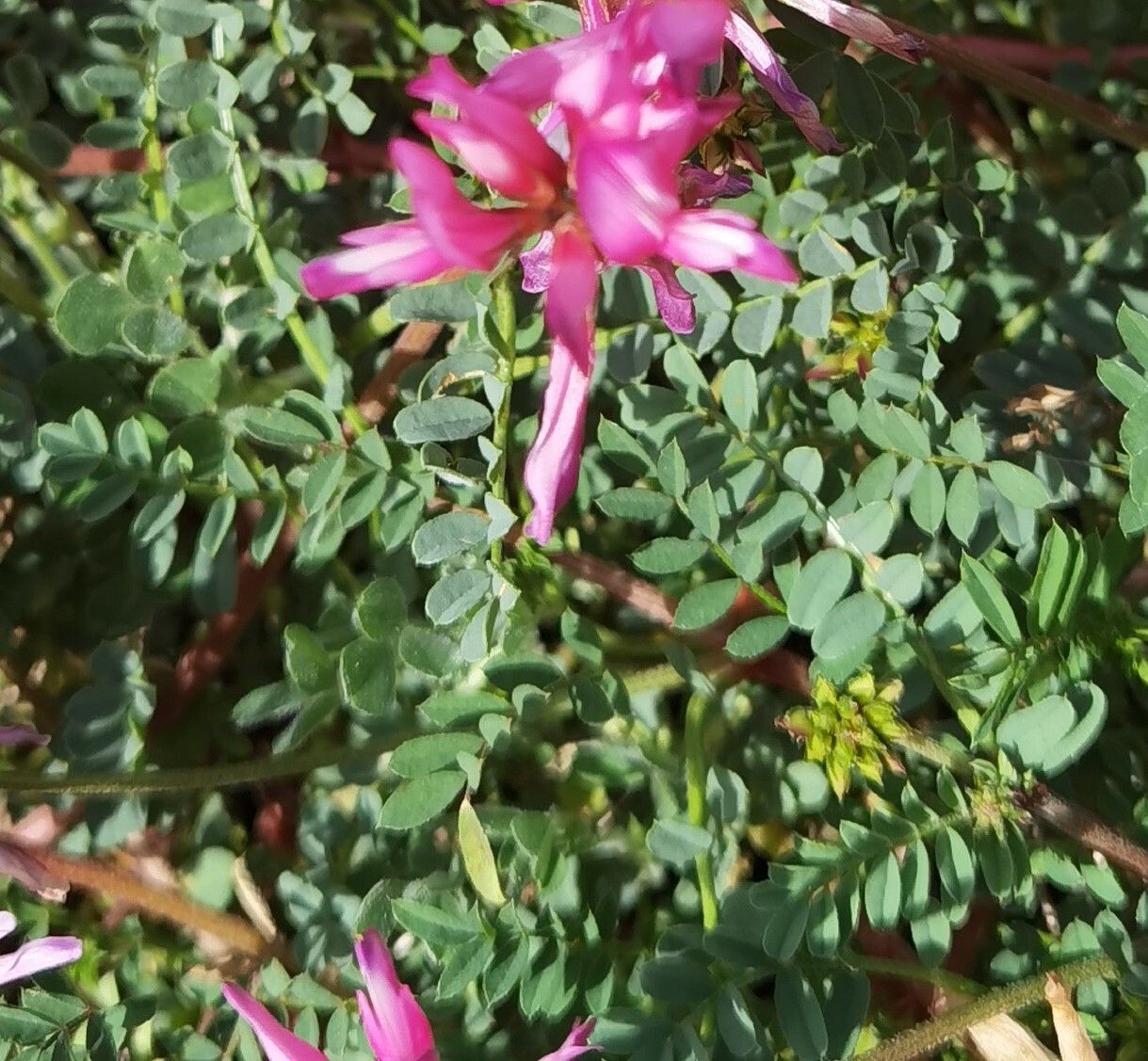
Unlocking the Secrets of Sulla Glomerata: A Guide to Propagation
Sulla glomerata, a vibrant and hardy legume native to the Mediterranean regions, is not just a pretty face; it’s a champion of soil health and a valuable forage crop. Its ability to fix nitrogen and thrive in challenging conditions makes it a favorite among gardeners and farmers alike. But how can you get your hands on this incredible plant? Enter the world of propagation – the art of creating new plants from existing ones!
Dissecting the Methods:
For Sulla glomerata, there are two primary propagation methods:
Seed Propagation: This is the most common and readily available way to obtain new plants. Sulla glomerata seeds are relatively easy to germinate, although they may need some pre-treatment to ensure successful sprouting.
- Pre-treatment: Soaking the seeds in warm water for 24 hours before sowing can help break dormancy. Scarification (slightly nicking the seed coat) can also increase germination rates.
- Sowing: Direct sowing in the garden is ideal, especially in warmer climates. Sow the seeds about ½ inch deep, spaced 6-8 inches apart. You can also start them indoors in seed trays, but be sure to harden them off before transplanting.
- Germination: Expect germination within 1-2 weeks, but it can take up to 4 weeks under cool conditions.
- Vegetative Propagation: This involves using parts of an existing plant to create new ones. While less common for Sulla glomerata, it can be a valuable method for specific situations.
- Cuttings: This involves rooting stem cuttings. Take softwood cuttings in spring or early summer, ensuring they have at least 2-3 nodes.
- Division: Suitable for established plants, this method involves carefully separating the plant into smaller clumps. Each clump should have healthy roots and foliage.
Optimizing Your Success:
Here are some tips to ensure your propagation journey is a success:
- Choose the Right Time: Spring or early summer is the best time for seed sowing and cuttings, while division can be done in spring or fall.
- Use Quality Seeds: Purchase seeds from reputable suppliers or collect them from healthy plants.
- Prepare the Soil: Ensure your soil is well-drained and rich in organic matter. Adjust pH levels if necessary, as Sulla glomerata prefers slightly acidic soil (pH 6.0-7.0).
- Provide Ample Sunlight: Sulla glomerata needs at least 6 hours of sunlight per day.
- Water Regularly: Keep the soil moist, especially during germination and establishment.
- Fertilize Sparingly: This plant is a nitrogen fixer, so it doesn’t require heavy fertilization.
Harnessing the Benefits:
Propagating Sulla glomerata offers several advantages:
- Cost-Effective: Growing your own plants from seed is a budget-friendly way to expand your garden.
- Genetic Diversity: Using seeds allows for the introduction of new genetic variations in your plant population.
- Disease Resistance: Utilizing cuttings or divisions from healthy mother plants can reduce the risk of transmitting diseases.
- Sustainable Practices: Promoting propagation through natural means is a sustainable and environmentally friendly approach.
From Seed to Success:
Whether you choose to sow seeds or experiment with cuttings, propagation allows you to bring the beauty and ecological benefits of Sulla glomerata into your own garden or farm. It’s an enriching journey that unlocks the secrets of this remarkable plant and empowers you to cultivate its abundance.