
Unlock the Secrets of Ribes leptanthum Propagation: From Seed to Success
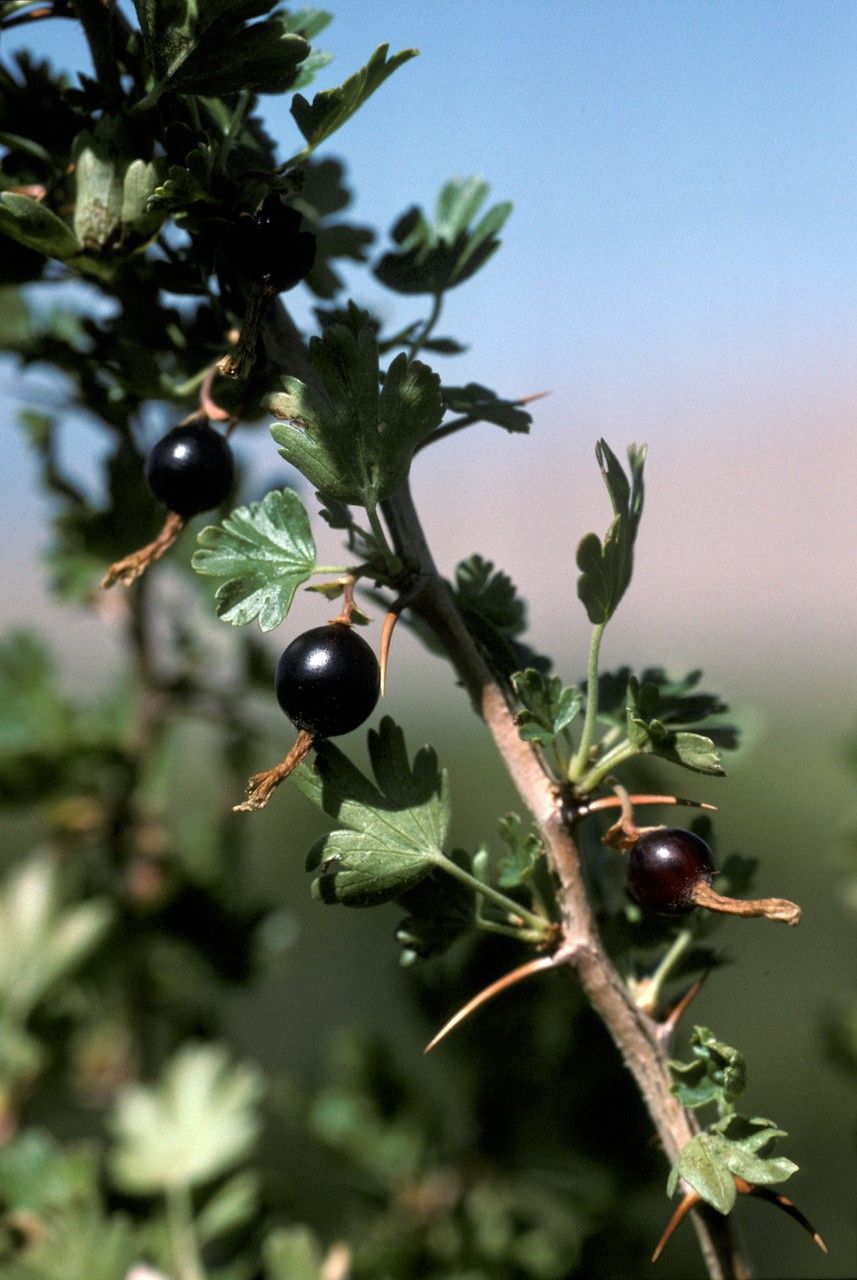
Ribes leptanthum, also known as the alpine currant, is a captivating little shrub with delicate, bell-shaped flowers and attractive red berries. This native plant adds a touch of elegance to any garden, but its beauty extends beyond its visual appeal. Ribes leptanthum is a resilient species that thrives in challenging conditions and is a fantastic addition for attracting beneficial pollinators like hummingbirds and bees.
But how can you bring this gorgeous plant into your own garden? Propagation is the answer! While Ribes leptanthum can be found at nurseries, the joy of growing it from seed or cuttings adds a personal touch and opens the door to exploring the fascinating world of plant reproduction.
The Seed Story: A Journey From Tiny Seed to Thriving Plant
Propagation from seed requires a bit more patience, but it’s a rewarding experience.
- Sourcing the Seeds: Gather ripe berries from established Ribes leptanthum plants in fall.
- Cleaning and Storing: Remove the pulp and rinse the seeds. Let them dry thoroughly and store in a cool, dry place for around 2-3 months. This stratification period mimics winter conditions and helps break dormancy.
- Sowing the Seeds: In spring, sow the seeds in a well-draining seed-starting mix. Lightly cover them with soil, and keep the mix moist but not soggy.
- Patience is Key: Germination varies, but expect seedlings to emerge within 4-6 weeks. Provide plenty of light and a cool (around 55-65°F) environment.
- The Transplanting Stage: Once seedlings are a few inches tall, they can be transplanted into larger pots or directly into the garden after the last frost.
A Faster Route: Propagation by Cuttings
If you’re looking for a quicker way to multiply your Ribes leptanthum, cuttings are a viable option.
- Timing is Everything: The best time for taking cuttings is in late spring or early summer after the new growth has hardened.
- Choose Your Cuttings: Select healthy, non-flowering branches and cut them 4-6 inches long, just below a leaf node.
- Prepare the Cuttings: Remove the bottom leaves and make a small cut at the base of the stem to encourage root growth.
- Rooted in Success: Dip the cut ends in rooting hormone for added success. Plant the cuttings in a well-draining, moisture-retaining medium like a mix of peat moss and perlite.
- Protect the Cuttings: Keep the cuttings moist and shaded for several weeks, until new growth indicates successful rooting.
Providing Ideal Growing Conditions for Your Ribes leptanthum
Whether you start from seed or cuttings, providing the right growing environment is crucial for thriving plants. Ribes leptanthum loves full sun to partial shade and well-drained, slightly acidic soil. Remember to water regularly, especially during the first year, and mulch around the base to retain moisture.
A World of Possibilities with Ribes leptanthum
By following these propagation methods, you can unleash the potential of the alpine currant and bring its beauty into your own garden. Whether you choose the time-honored route of seed propagation or the faster option of cuttings, the experience of nurturing a new generation of Ribes leptanthum will be both rewarding and educational.
So, embark on this exciting journey, and let the vibrant colors and delicate beauty of the alpine currant enrich your garden for years to come!