
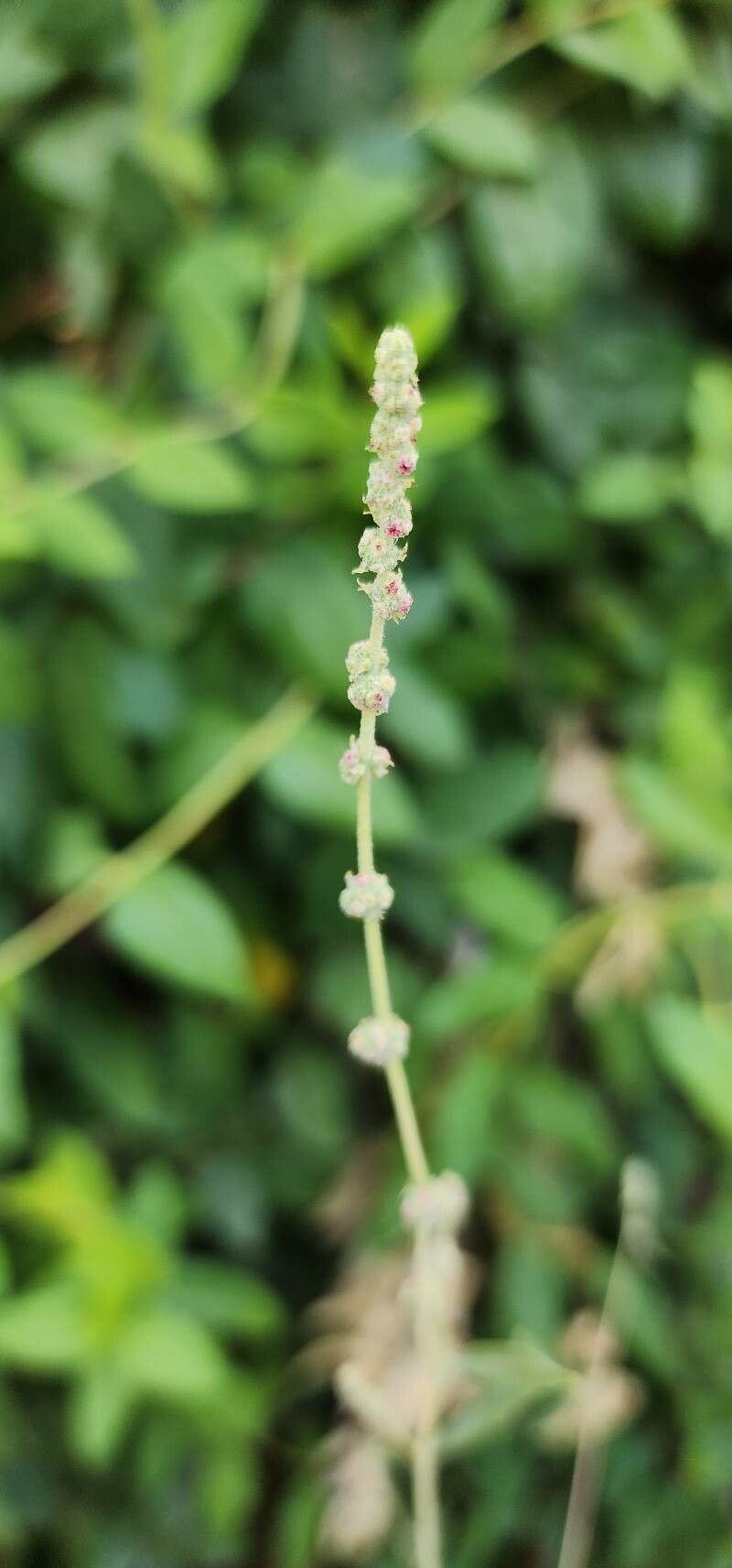
From Seed to Supper: The Joy of Propagating Cape Gooseberry Plants
The Cape gooseberry, or Chenopodium betaceum, is a delightful addition to any garden, offering a unique flavor and an explosion of vibrant orange lanterns that adorn the plant. But did you know you can easily propagate these plants yourself?
Growing Cape gooseberries from seed is the most common method, giving you a chance to create a whole generation of these delicious treats. Here’s a step-by-step guide to get you started:
Step 1: Gather Your Supplies
You’ll need a few basic supplies:
- Seeds: Fresh Cape gooseberry seeds are often available online or at specialized nurseries. Keep in mind that seeds from supermarket-bought fruits may not be viable.
- Potting mix: Choose a high-quality seed-starting mix.
- Seed trays or pots: Seed trays with individual cells are ideal for starting seeds, but small pots work well too.
- Watering can: Use a gentle watering can with a fine rose to avoid disturbing the seeds.
- Grow lights (optional): If you lack sufficient natural light, grow lights can provide the necessary boost.
Step 2: Sowing the Seeds
- Prepare the trays or pots: Moisten the potting mix well, filling each cell or pot up to about 1 inch from the rim.
- Plant the seeds: Gently press one seed in each cell or pot, about ¼ inch deep.
- Water carefully: Mist the surface with water to ensure the seeds are moist.
- Cover the tray or pots: Place a clear plastic dome or wrap over the tray or pots to create a mini-greenhouse environment.
Step 3: Germination Time
- Ideal conditions: Cape gooseberry seeds germinate best at around 70-75°F (21-24°C). Place the tray or pots in a warm, bright spot, but out of direct sunlight.
- Patience is key: Germination can take anywhere from 10-21 days. Don’t despair if you don’t see anything immediately!
Step 4: Thinning and Transplanting
- Thinning: Once the seedlings have a few true leaves, carefully thin them out to the strongest plant in each cell or pot.
- Transplanting: When the seedlings are about 4-6 inches tall, they are ready to be transplanted outdoors. Choose a sunny location with well-drained soil.
Bonus: Propagating Cape Gooseberries from Cuttings
While less common than growing from seed, Cape gooseberry plants can also be propagated through cuttings. Take a 4-6 inch stem cutting from a healthy plant, removing the leaves from the bottom inch. Dip the cut end in rooting hormone and plant it in a pot with moist rooting mix. Cover the cutting with a plastic bag or dome to help maintain humidity.
Tips for Success:
- Water regularly: Cape gooseberries need consistent moisture, but avoid overwatering, which can lead to root rot.
- Fertilize: Provide balanced fertilizer every 2-4 weeks to support healthy growth.
- Stake the plants: As the plants grow taller, support them with stakes to prevent them from falling over.
- Harvest and enjoy!: Cape gooseberries will start ripening around 2-3 months after planting. Harvest the fruits when they turn a bright orange and the papery husk is brown and dry. They can be enjoyed fresh, or used in jams, pies, and other delicious treats.
Propagating Cape gooseberries is a simple and rewarding process that allows you to easily expand your garden or share your passion for this unique fruit with others. So, grab some seeds and get started on a journey of deliciousness!