
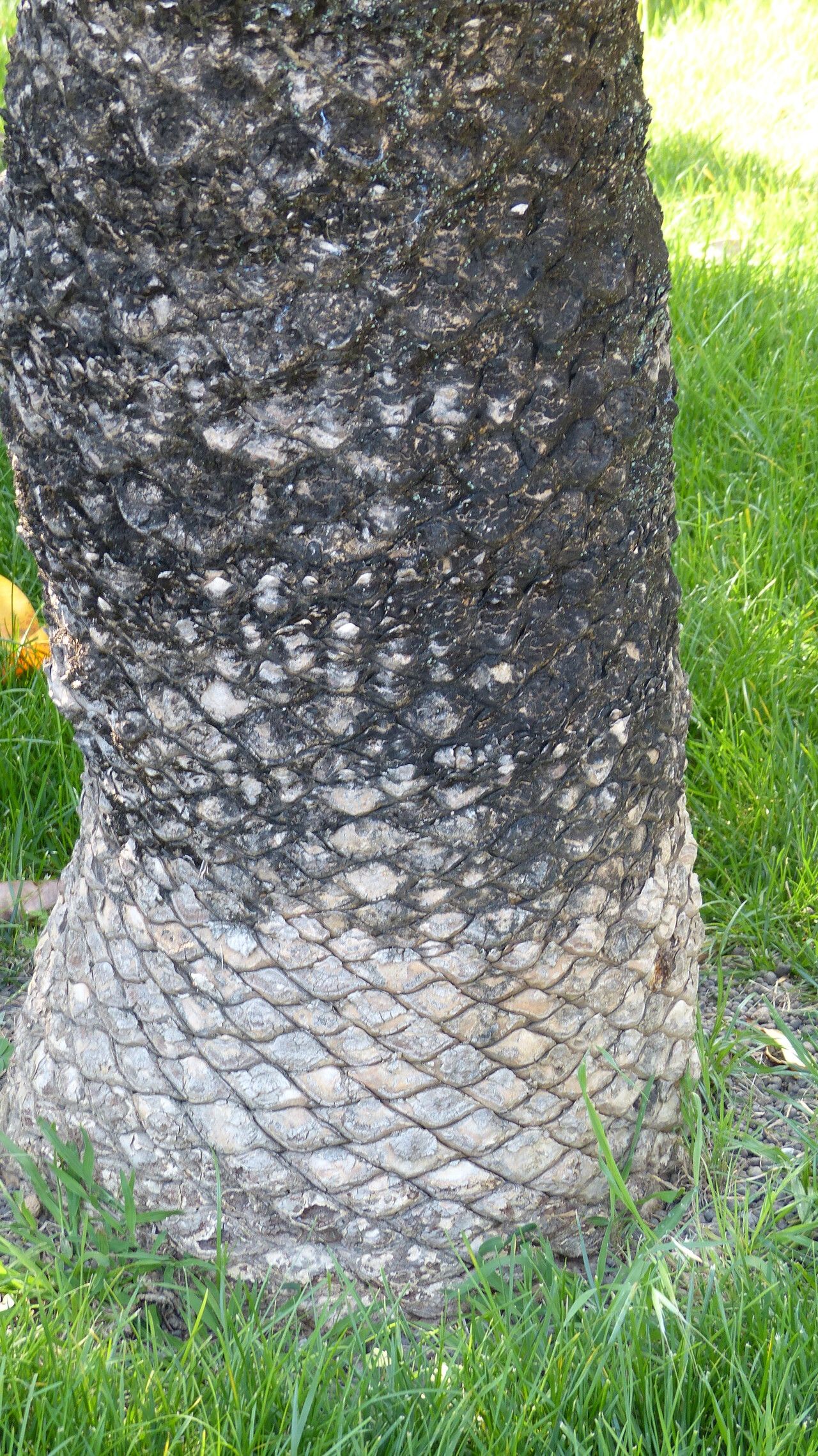
From Seed to Majesty: Propagating the Majestic Cycad, Encephalartos altensteinii
The Encephalartos altensteinii, with its striking palm-like foliage and rugged, ancient appearance, is a true showstopper in any garden. But did you know that this majestic cycad can be propagated from seed, allowing you to cultivate your very own “living fossil”? It’s a rewarding process that can connect you to the ancient world of cycads and bring a touch of primal beauty into your home.
The Art of Cycad Propagation: A Step-by-Step Guide
1. Obtaining Seeds:
The first step is to acquire fresh seeds. These are often available through specialized cycad nurseries or online retailers. Be sure to choose reputable sources to ensure seed viability.
2. Prepping the Seeds:
Cycad seeds are notoriously hard and require a little help to germinate. First, give them a gentle scrub with sandpaper or a scouring pad to help soften the outer coat. This process, known as scarification, weakens the tough seed coat, allowing water to penetrate more easily.
3. The Importance of Soaking:
Soaking the seeds in warm water for 24-48 hours further encourages germination. This softens the seed coat and makes it easier for the sprout to emerge.
4. The Right Growing Medium:
For optimal germination, use a well-draining potting mix. A mix of perlite, vermiculite, and coarse sand will provide the perfect balance of drainage and moisture retention.
5. Planting the Seeds:
Sow the seeds about an inch deep in the prepared potting mix. Water thoroughly and place the pot in a warm, bright location, but out of direct sunlight.
6. Maintaining the Perfect Environment:
Maintain a consistent temperature of around 75-85 degrees Fahrenheit for the best results. The seeds often take several weeks to germinate, so patience is key.
7. Patience is a Virtue:
Germination can take anywhere from a few weeks to several months. Be patient and monitor the pots regularly for signs of growth. Once the seedlings emerge, keep them in a bright location, but gradually acclimate them to more intense sunlight.
8. Patience, Part Deux:
Cycad seedlings grow slowly, but they are incredibly resilient. Once the seedlings reach a certain size, they can be transplanted into larger pots or even outdoors, depending on the climate.
Encephalartos altensteinii: A Plant with a Rich History
Propagating Encephalartos altensteinii is not just about creating a beautiful plant; it’s about connecting to a lineage that stretches back millions of years. Cycads are among the oldest seed-bearing plants on Earth, predating the dinosaurs. Growing your own cycad is a testament to the resilience and enduring beauty of nature.
Remember:
- Always choose reputable sources for your seeds.
- Be mindful of the specific needs of Encephalartos altensteinii.
- Protect your cycad from harsh weather and frost.
With patience, dedication, and the right approach, you can witness the magic of nature as a tiny seed transforms into a majestic Encephalartos altensteinii, a living symbol of the ancient world brought to life in your own home.