
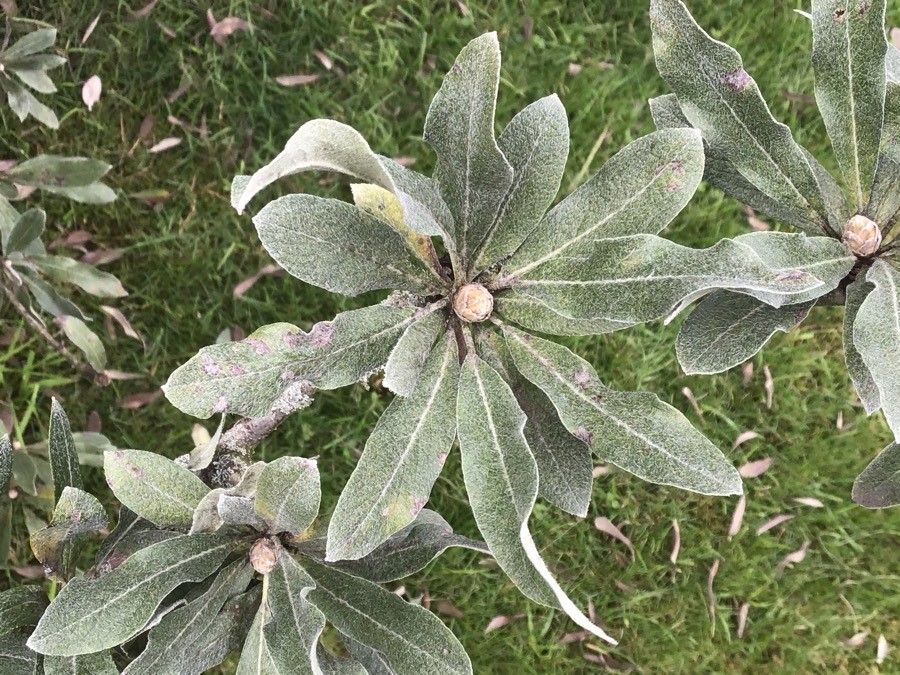
Unlocking the Secrets of Propagation: Grow Your Own Wild Pear (Pyrus elaeagrifolia)
Have you ever gazed upon a majestic wild pear tree, its branches laden with fruit and its foliage whispering tales of resilience? The Pyrus elaeagrifolia, commonly known as the Wild Pear, is a captivating sight, not just in nature but also in the heart of any home gardener. But how can you bring this beauty and bounty to your own yard? This blog takes you through the fascinating world of propagating the Pyrus elaeagrifolia, sharing tips and techniques you can use to cultivate your own miniature wild pear paradise.
Embracing the Art of Propagation
Propagation, in its essence, is the process of creating new plants from existing ones. For the Pyrus elaeagrifolia, this can be achieved through two primary methods:
Seeds: Sowing seeds is a straightforward method, offering a sense of discovery and anticipation. Collect ripe fruit from your chosen tree and extract the seeds. These seeds require stratification, a period of cold treatment, to break dormancy. This can be achieved by mixing them with moist sand or vermiculite and storing them in a refrigerator for approximately two to three months. Once stratified, sow the seeds in a well-drained potting mix, ensuring proper light and moisture. Be patient, as seed-propagated trees often take several years to reach fruiting size.
- Cuttings: For a faster option, consider taking hardwood cuttings. This involves snipping a section of dormant branch during the winter months. Choose sturdy, pencil-thick stems with terminal buds. Dip the cut end in rooting hormone to stimulate root growth and plant it in a mixture of perlite and vermiculite, keeping the soil moist. Ensure the cuttings receive adequate light and warmth, and within a few weeks, you should see the emergence of new roots.
Nurturing Growth: Tips for Success
No matter the method you choose, proper care is paramount to successful propagation. Here are some key tips to keep in mind:
- Soil Selection: Opt for a well-drained soil that allows for adequate aeration and prevents waterlogging. A mix of potting soil, compost, and perlite can provide the ideal balance.
- Water Wisely: Maintain consistent moisture, avoiding both overwatering and drying out. Water deeply but infrequently, allowing the soil to dry slightly between waterings.
- Sun Exposure: The Pyrus elaeagrifolia thrives in full sun, receiving at least six hours of sunlight daily.
- Pruning: Regular pruning during the dormant period can encourage branching and maintain a healthy structure.
- Patience: Be patient. Propagation is a journey, not a sprint. Expect it to take time for your young trees to establish themselves and show their full potential.
A Touch of Inspiration
Growing your own wild pear tree is an enriching experience, offering a connection to nature and a sense of accomplishment. As you witness the fruit of your labor (both literally and figuratively), you’ll be reminded of the transformative power of propagation. So, go ahead, unlock the secrets of propagation and embrace the beauty and bounty of the Pyrus elaeagrifolia, a truly remarkable species that deserves a place in your garden.