
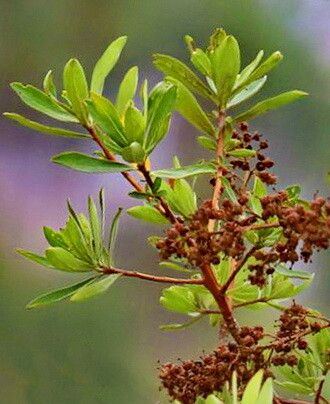
Unlocking the Secrets of Propagation: How to Grow More Escallonia Resinosa
The Escallonia resinosa, with its vibrant red flowers and glossy evergreen foliage, is a true showstopper in any garden. But what if you could share its beauty with others, or simply expand your own collection? The answer lies in propagation – the art of creating new plants from existing ones.
While you can certainly purchase Escallonia resinosa seedlings, the thrill of growing your own is truly rewarding. This guide will walk you through the most popular methods, guiding you step-by-step towards successfully propagating this captivating shrub.
1. Taking Cuttings:
This method is the most common and relatively straightforward for Escallonia resinosa.
- Timing is key: Late spring or early summer, when the plant is actively growing, is the ideal time to take cuttings.
- Choose wisely: Select healthy, non-flowering stems with new growth. Aim for 4-6 inches long, ensuring they have at least 3 nodes (where leaves grow from the stem).
- Prepare your cuttings: With a sharp knife or pruning shears, cut just below a node, making a clean, angled cut at the bottom. Strip off the lower leaves, leaving only 2-3 at the top.
- Root hormone magic: Dip the cut end of the stem into a rooting hormone powder or gel to encourage root growth. This is optional but highly recommended.
- Planting time: Pot your cuttings in a well-draining potting mix, ensuring only the lower nodes are buried.
- High humidity haven: Cover the cutting with a plastic bag or cloche to create a humid environment for root development.
- Sun and care: Place the pot in a bright, indirect light spot and keep the potting mix consistently moist but not waterlogged.
- Patience prevails: Within 6-8 weeks, your cuttings should have developed roots, and you can gradually acclimate them to outdoor conditions.
2. Propagating from Seed:
While less common, Escallonia resinosa can also be grown from seed.
- Seed collection: This method requires a bit more patience as you’ll need to wait for seed pods to develop on your mature Escallonia plant. When pods turn brown and start to split open, gently collect the seeds.
- Seed prep: Prepare the seed by scarifying (nicking the seed coat to help promote germination) and allowing them to soak in lukewarm water for a few hours.
- Sowing time: Sow the seeds in a seed tray filled with a well-draining seed starting mix. Cover them with a thin layer of soil and place the tray in a bright, warm location.
- Moisture control: Keep the soil consistently moist, but avoid overwatering.
- Emerging seedlings: Once seedlings emerge, thin them out, leaving the strongest ones to grow.
- Patience is a virtue: Germination can take anywhere from 4 to 8 weeks.
3. Layering:
This method involves encouraging roots to develop on a stem while it’s still attached to the parent plant:
- Choose wisely: Select a healthy stem that grows close to the ground.
- Create a wound: Make a small cut along the stem, just below a node.
- Pin it down: Bend the stem towards the ground and pin it down using a wire or rock.
- Cover the wound: Cover the wounded area with moist soil or a peat moss mix.
- Water and wait: Keep the soil moist and wait for the stem to root. This process can take several months.
Tips for Success:
- Choose the right rooting medium: A well-draining potting mix is crucial for both cuttings and seeds.
- Maintain adequate humidity: For cuttings, a humidity dome or cloche significantly increases success rates.
- Avoid overwatering: Overwatering can lead to root rot, so only water when the soil is dry to the touch.
- Keep pests at bay: Be on the lookout for common garden pests that can damage your cuttings or seedlings.
By following these guidelines and putting in a little effort, you can successfully propagate your Escallonia resinosa and enjoy the beauty of this stunning shrub for years to come.