
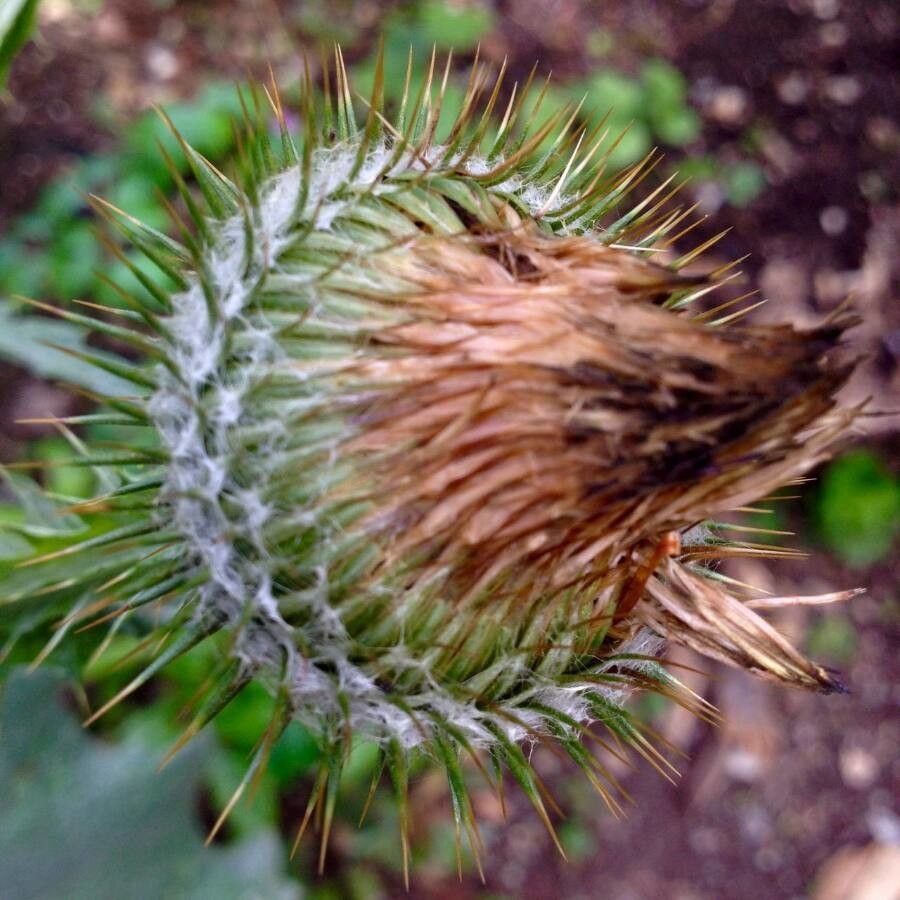
Taming the Thistle: A Guide to Propagating Onopordum acanthium (Scotch Thistle)
You’ve probably seen it – its spiky, imposing form standing tall in fields and roadsides. Onopordum acanthium, more commonly known as Scotch Thistle, is a striking plant with a reputation for being a bit of a horticultural bully. But beyond its thorny exterior lies a fascinating world of propagation possibilities.
Why Propagate Scotch Thistle?
This majestic biennial, with its silvery-green leaves and impressive purple flower heads, is a standout in any wildflower garden or naturalized landscape. Its dramatic presence attracts pollinators, and the spent seed heads offer winter interest. While Scotch Thistle can be a bit pushy in the garden, it can be controlled with proper placement and techniques, making it a rewarding challenge for gardeners with a love for the unusual.
Methods of Propagation
The beauty of Onopordum acanthium is its ease of propagation. Two methods reign supreme:
Seed Propagation: This is the most common and reliable method. Harvest ripe seeds from the dried flower heads in late summer or early fall. They’re readily available through specialist seed suppliers. Directly sow the seeds in autumn or spring after a light frost. Remember that Scotch Thistle prefers well-drained soil and full sun.
- Root Cuttings: While less common, root cuttings are a viable option for dedicated gardeners. Divide the root system of mature plants in late summer or early autumn. Choose healthy root sections with at least a few buds, and plant them directly into prepared beds.
Tips to Remember
- Space your plants well. Scotch Thistle can grow quite large, so give them plenty of room – at least 2-3 feet apart.
- Control with care. This plant can be a bit of an escape artist, so consider a contained planting area or regular monitoring to prevent it from taking over.
- Enjoy the show. Scotch Thistle is a rewarding plant to grow. Watch its growth from the basal rosette of leaves to its impressive blooming stage, then enjoy its unique seed heads that last well into the winter.
Beyond Gardening
Onopordum acanthium has a rich history and cultural significance. In Scotland, it became a symbol of national pride after legend tells of a Viking invasion thwarted by an invading soldier getting pricked by a thistle, alerting the Scottish defenders. It’s also a medicinal plant, used in traditional healing practices.
Whether you’re captivated by its majestic appearance or its historical significance, Onopordum acanthium offers a unique and fulfilling garden experience for those seeking the thrill of the unconventional. With careful propagation and some strategic planning, this “thistle” can become a prized addition to your garden landscape. So, why not tame the wild side of this fascinating plant? You might just be surprised by the beauty it brings.