
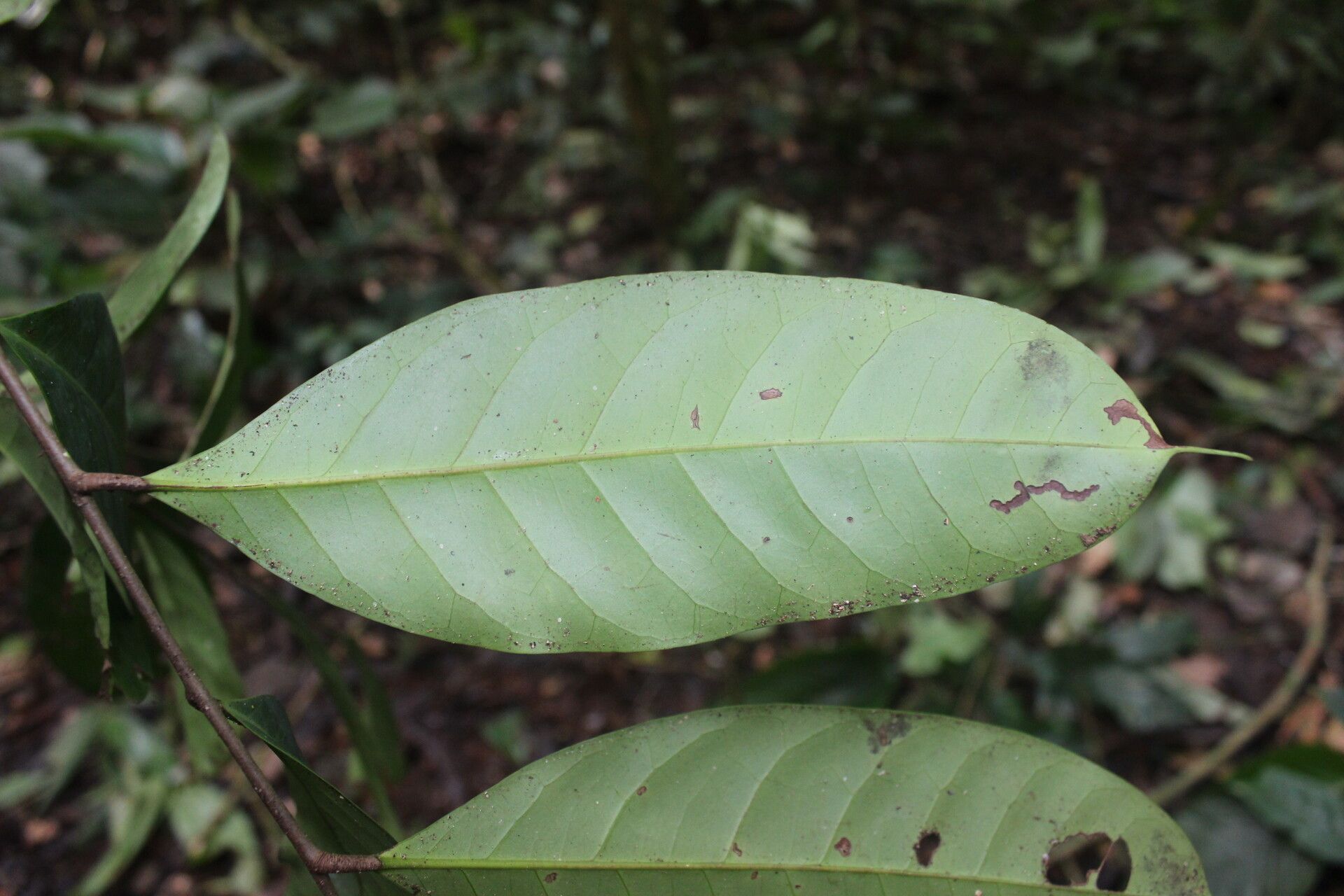
Unlocking the Secrets of Sorindeia africana: A Guide to Propagation
The striking Sorindeia africana, also known as the “Elephant Apple” or “Wild Mango,” is a beautiful and unique plant with captivating fruit and stunning foliage. But did you know that this intriguing species can be easily propagated at home?
This guide will equip you with the knowledge to successfully propagate Sorindeia africana, whether you’re a seasoned gardener or a curious beginner.
Understanding Sorindeia africana:
Sorindeia africana is a hardy, adaptable plant native to tropical Africa. It’s known for its large, vibrant green leaves, striking red edible fruit resembling a small mango, and attractive bark that becomes darker and rougher with age. While this species can reach impressive heights in its native habitat, it can also be cultivated as a beautiful ornamental tree or bush in gardens around the world.
Propagation Methods:
There are two primary methods for multiplying Sorindeia africana:
1. Seed Propagation:
- Gathering Seeds: The best time to collect seeds is after the fruit ripens and turns a deep red color. Gently extract the seeds from the fruit pulp and remove any excess flesh.
- Preparing the Seeds: To increase germination rates, soak the seeds in warm water for 24 hours before planting. This allows the hard seed coat to soften and absorb moisture.
- Planting: Fill seed trays or pots with moist, well-draining soil like a mixture of potting soil and perlite. Sow the seeds about ½ inch deep and lightly cover them with soil.
- Germination: Maintain a warm, humid environment (above 70°F) and be patient. Germination can take several weeks to a few months.
2. Cuttings:
- Timing: The best time to take cuttings is during the growing season, typically during spring or summer.
- Selection: Choose healthy, semi-hardwood stems from mature plants. Aim for cuttings about 6-8 inches long with at least three nodes (points where leaves grow).
- Preparation: Remove the leaves from the bottom 2-3 inches of the cutting and dip the cut end in rooting hormone to encourage root development.
- Planting: Insert the cuttings into a well-draining mixture of potting soil and sand. Keep the soil moist and provide a humid environment. It might take several weeks for the cuttings to root.
Tips for Successful Propagation:
- Light: Ensure your seeds or cuttings receive bright, indirect sunlight, as Sorindeia africana thrives in sunny conditions.
- Watering: Keep the soil consistently moist, but not waterlogged. Allow the top layer of soil to dry slightly between waterings.
- Temperature: Sorindeia africana prefers warm temperatures for optimal growth.
- Protection: While Sorindeia africana is fairly hardy, young plants are sensitive to frost and should be protected during cold weather.
Conclusion:
With the right techniques and patience, propagation of Sorindeia africana can be a rewarding experience. Whether you choose seeds or cuttings, this guide will help you cultivate your own unique Elephant Apple tree or bush, adding a touch of tropical beauty to your garden. Embark on your propagation journey today and enjoy the rewards of growing this remarkable plant.