
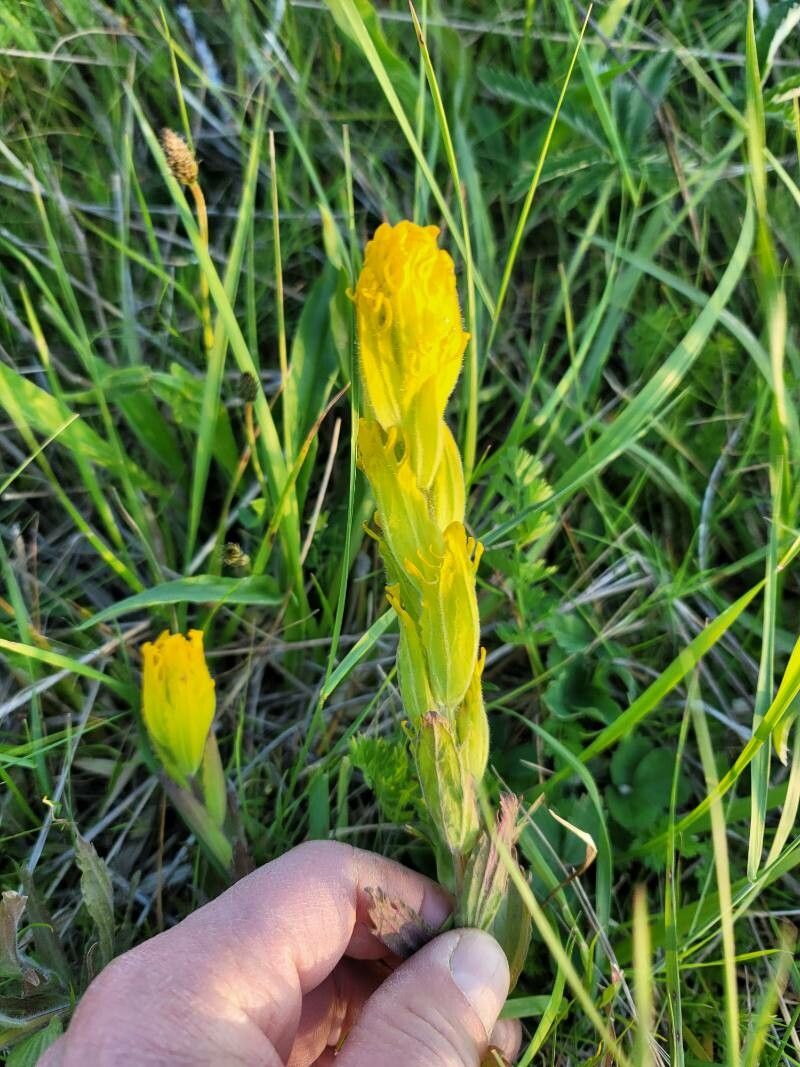
The Art of Propagating the Elusive Indian Paintbrush (Castilleja levisecta)
The Indian Paintbrush, with its vibrant scarlet blooms, is a true icon of the American West. But if you’re trying to bring this beauty to your garden, you might find yourself faced with a challenge: Castilleja levisecta, the species known as the “Western Indian Paintbrush,” is notoriously difficult to propagate.
Don’t let that deter you! With patience and the right knowledge, you can successfully cultivate this stunning wildflower. Here’s a breakdown of the key methods for propagating Indian Paintbrush:
1. Seed Propagation: The Patient Gardener’s Approach
- Timing is crucial: Sow seeds in the fall or early winter. This mimics the natural conditions of the plant’s habitat and allows for stratification (a cool period that triggers germination).
- Prepare the soil: Indian Paintbrush thrives in well-drained, sandy soil with a slightly acidic pH. Mix in a bit of compost or peat moss to improve soil structure.
- Direct seeding: Scatter seeds on the soil surface and gently press them in. Don’t bury them too deep, as light is essential for germination.
- Patience is key: Germination can take several weeks or even months. Once seedlings emerge, provide them with consistent moisture, but avoid overwatering.
- Transplanting: You can transplant young Indian Paintbrush seedlings to their permanent location in the spring after all frost danger has passed.
Important Note: Castilleja levisecta is a hemiparasite, meaning it requires a host plant to thrive. When planting seeds, ensure there are compatible host plants nearby, such as grasses, legumes, or other wildflower species.
2. Division: A Faster Way for Established Plants
- Timing is crucial: Division is best done in early spring or late summer after the plant has finished blooming.
- Carefully separate the root system: Gently pry apart the root mass, making sure each division contains a healthy section of roots and shoots.
- Replant: Place the divisions into new locations that mimic the plant’s natural habitat: well-drained soil with ample sunlight.
- Watering: Water thoroughly after planting, and continue to keep the soil consistently damp during the initial establishment period.
Tips for Success:
- Choose the right location: Plant Castilleja levisecta in a sunny spot with well-drained soil. Avoid overly wet or compacted areas.
- Keep it company: Make sure there are compatible host plants nearby for the Indian Paintbrush to attach to.
- Water wisely: This plant can tolerate periods of drought, but it needs consistent moisture during the initial establishment phase.
- Avoid disturbing the roots: Castilleja levisecta is sensitive to root disturbance.
- Be patient: The Indian Paintbrush can take a few years to establish itself and bloom.
Conservation Note: While it’s wonderful to bring this wildflower to your garden, it’s crucial to be mindful of its delicate nature. Avoid collecting seeds or plants from the wild, and prioritize propagation from cultivated sources.
Propagating Castilleja levisecta might be challenging, but the reward of witnessing its beautiful blooms in your garden is well worth the effort. Remember patience, proper care, and a touch of luck, and you’ll soon enjoy the brilliant colors of this iconic Western wildflower.