
Saltmarsh Secrets: How to Propagate Puccinellia maritima (and why you should!)
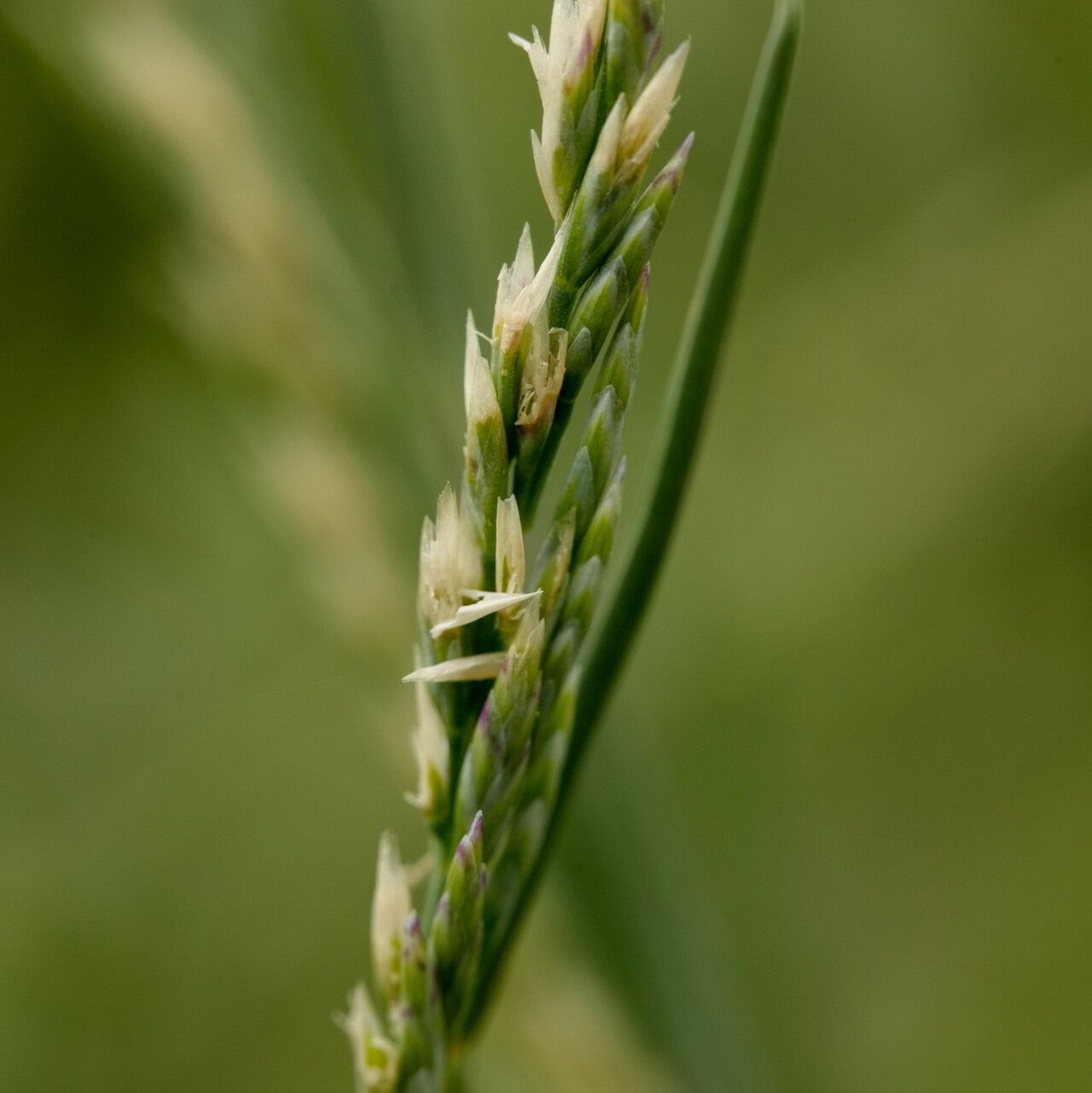
Puccinellia maritima, also known as the seagrass or saltmarsh grass, is a resilient and hardy plant that thrives in the unforgiving conditions of coastal environments. This remarkable species has adapted to salty soils and frequent flooding, making it an ideal choice for gardeners in coastal areas or those looking to create a low-maintenance, drought-tolerant landscape.
But how can you bring this incredible plant into your own garden? The answer lies in propagation, the process of creating new plants from existing ones. Fortunately, Puccinellia maritima is relatively easy to propagate, allowing even novice gardeners to enjoy its unique beauty.
Two Primary Methods
There are two main methods for propagating Puccinellia maritima:
Seed Propagation: This method is straightforward and involves collecting seeds from mature plants. Here’s how:
- Timing is key: Harvest seeds in late summer or early fall when they have fully matured and turned brown.
- Prepare the seed bed: Choose a location with well-drained soil, ideally with a high salt content to mimic its natural habitat.
- Direct sowing: Sow seeds directly into the prepared bed, spacing them about 6 inches apart.
- Cover lightly: Gently press the seeds into the soil and cover them with a thin layer of compost or sand.
- Moisture and warmth: Keep the soil moist, but not soggy, and maintain a temperature range of 60-70°F. Seeds should germinate within 1-2 weeks.
Division: This method involves separating existing plants into smaller divisions, each with its root system intact. This is an effective way to quickly create new plants and ensure the genetic diversity of your garden.
- Choose the right time: Divide established plants in spring or early fall, when they are actively growing.
- Prepare the divisions: Carefully dig up the mature plant and gently separate it into smaller divisions, ensuring each section has healthy roots.
- Replant: Re-plant the divisions in prepared beds, spacing them according to their mature size. Keep the soil moist and provide partial shade during the initial weeks.
Beyond Basic Propagation
While seed propagation and division are the most common methods, there are other techniques for those seeking to experiment:
- Tissue culture: This laboratory-based method allows for the propagation of large numbers of identical plants from small sections of tissue.
- Cuttings: While not as commonly used with Puccinellia maritima, some success has been achieved with stem cuttings taken from actively growing plants.
Beyond the garden, a crucial role:
Puccinellia maritima plays a vital role in coastal ecosystems. Its dense root systems help stabilize soil and prevent erosion, while its ability to tolerate salt and flooding makes it an excellent buffer against storm surges. By propagating this fascinating plant, we can not only create beautiful and resilient gardens but also contribute to the health of our coastal environments.
Making a difference, one seed at a time:
Whether you are a seasoned gardener or just starting out, propagation is a rewarding experience. It offers a sense of connection to the natural world and allows you to create something beautiful and meaningful. So, why not give seagrass propagation a try? You may be surprised at how easy it is, and your garden will be a testament to the resilience and beauty of this unique plant.