
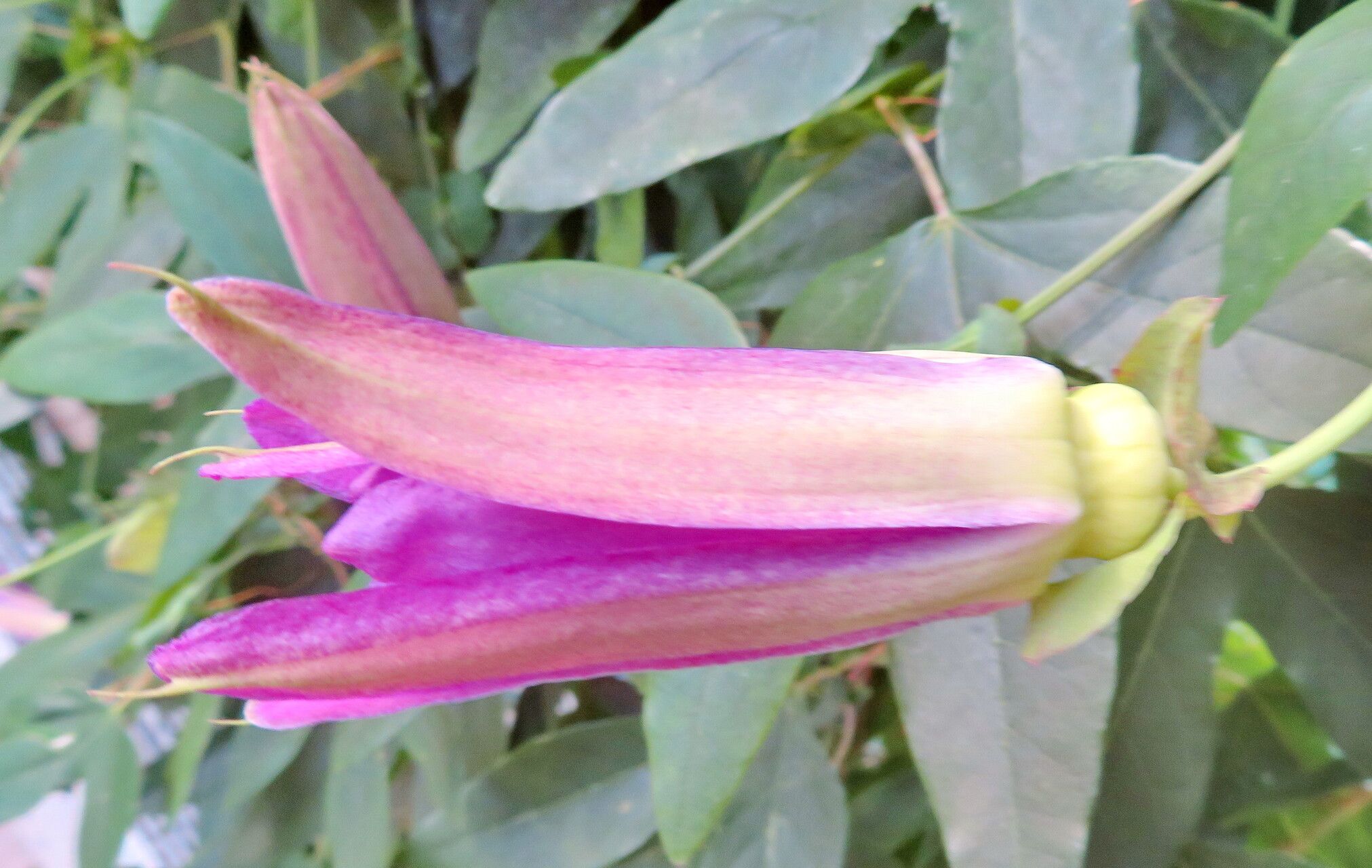
Unleash the Amethyst Passion: A Guide to Propagating Passiflora Amethystina
The Passiflora amethystina, a vibrant climber with beautiful amethyst-colored flowers, is a true showstopper in any garden. But did you know that propagating this beauty is surprisingly easy? With a few simple steps, you can create more of these stunning plants to share with friends or adorn your own space.
Why Propagate?
Beyond simply adding more Passiflora amethystina to your garden, propagation offers several benefits:
- Economical: Instead of buying new plants, you can create your own from cuttings, saving money.
- Genetic Diversity: Propagating your existing Passiflora amethystina ensures you maintain its unique characteristics.
- Ease of Propagation: Surprisingly, this plant is quite easy to propagate, even for beginners.
Methods of Propagation:
There are two main methods for propagating Passiflora amethystina:
1. Stem Cuttings:
- Best Time: Spring or summer when the plant is actively growing.
- Process:
- Choose a healthy, non-flowering stem with at least two nodes (the points where leaves grow).
- Cut the stem just below a node at a 45-degree angle using a sharp knife or pruning shears.
- Remove leaves below the soil line to prevent rotting.
- Dip the cut end in rooting hormone (optional but beneficial).
- Place the cutting in a pot filled with a well-draining potting mix.
- Water thoroughly and keep the soil consistently moist.
- Maintain a warm and humid environment by covering the pot with a plastic bag or dome.
- Roots should appear within 4-6 weeks.
2. Air Layering:
- Best Time: Spring or summer when the plant is actively growing.
- Process:
- Select a healthy stem on the plant that you want to propagate.
- Using a sharp knife, make a shallow cut around the stem, removing a small section of bark.
- Apply rooting hormone to the exposed section of the stem.
- Wrap the cut area with damp sphagnum moss and enclose it with a clear plastic bag or wrap.
- Secure the plastic wrap with tape or string to keep the moss moist.
- Roots should develop within a few months.
- Once rooted, cut the new plant below the air layered section and pot it up.
Important Considerations:
- Light: Provide bright indirect light to your cuttings or air layer. Avoid direct sunlight, which can scorch the leaves.
- Temperature: Maintain warm temperatures for optimal root development, ideally around 70-75°F.
- Moisture: Ensure the soil is consistently moist but not soggy.
- Patience: Root development takes time. Don’t be discouraged if you don’t see results immediately.
Caring for Your Newly Propagated Plants:
Once your Passiflora amethystina cuttings or air layers have developed roots, they can be repotted into larger pots. Continue to provide the same care as your established plants:
- Watering: Water consistently, allowing the soil to dry slightly between waterings.
- Light: Provide bright indirect light.
- Fertilizing: Feed your plants with a balanced fertilizer during the growing season.
- Pruning: Prune regularly to maintain shape and encourage bushiness.
Enjoy Your Passionflower Bounty:
Propagating Passiflora amethystina is a rewarding experience. As your newly rooted plants grow and blossom, you’ll not only have more beautiful flowers to enjoy, but also a sense of accomplishment knowing you created them yourself.