
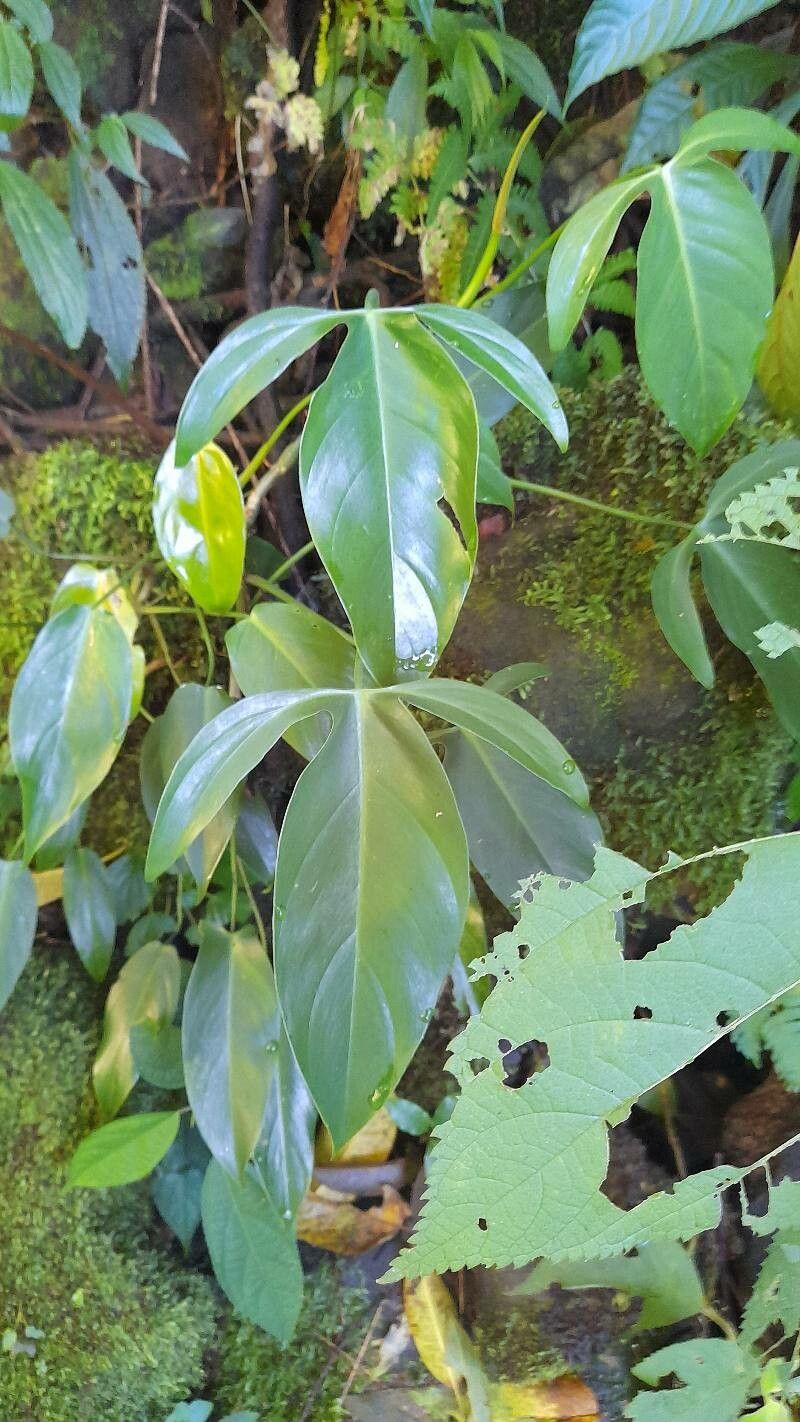
From One Plant to Many: The Easy Guide to Propagating Philodendron Anisotomum
Philodendron anisotomum, also known as the ‘Velvet Leaf Philodendron’, is a stunning houseplant known for its captivating velvety texture and uniquely shaped leaves. Bringing the lush beauty of this plant into your home is easy – all you need is a cutting and the knowledge to propagate it.
Don’t be intimidated by the word ‘propagate’, it simply means to create new plants from existing ones. In the case of Philodendron anisotomum, this is a remarkably simple process, requiring minimal effort and resources.
The Two Primary Methods
The most common methods for propagating Philodendron anisotomum are stem cuttings and water propagation. Both are effective and relatively straightforward, offering you the opportunity to expand your plant family.
1. Stem Cuttings:
- Choose Your Cutting: Select a healthy stem with at least two nodes (the bumps on the stem where leaves grow). The cutting should be about 4-6 inches long.
- Prepare the Cutting: Use a sharp, clean knife or scissors to make a clean cut just below a node. Remove any leaves below the waterline.
- Root Hormone: For best results, dip the cut end of the stem in rooting hormone. This helps stimulate root development.
- Planting Medium: Use a well-draining potting mix or a mixture of peat moss and perlite. Place the cutting in the soil, making sure the nodes are buried.
- Humidity Matters: To promote root growth, cover your cutting with a plastic bag or dome to create a humid environment.
- Light & Patience: Place the potted cutting in bright indirect light, keeping the soil slightly moist. Patience is key – roots can take several weeks to form.
2. Water Propagation:
- Prepare Your Cutting: Follow the same steps as above to select and prepare your cutting.
- Clean Water: Fill a clean jar or vase with fresh water and place the cutting in it. Ensure the nodes are submerged in water.
- Watch the Change: The water should be changed every week or as needed to prevent bacteria growth.
- Roots Will Emerge: Within a few weeks, you will see roots forming.
- Soil Transition: Once the roots are at least an inch long, it is time to transplant your new plant into a pot and potting mix.
Caring for Your New Plant
- Light: Philodendron anisotomum thrives in bright, indirect light. Avoid direct sunlight as it can scorch the leaves.
- Water: Allow the top inch of soil to dry out between waterings. Avoid overwatering, as it can lead to root rot.
- Fertilizer: Fertilize monthly during the growing season with a balanced liquid fertilizer diluted to half strength.
- Humidity: Philodendron anisotomum enjoys moderate to high humidity. To increase humidity, you can mist the plant regularly or place it on a pebble tray filled with water.
Beyond Propagation
Propagating your Philodendron anisotomum is not only a rewarding experience but it also opens up endless possibilities. You can create multiple plants to share with friends and family, fill your home with lush green foliage, or even start a new plant collection. The joy of propagating is the joy of growing and fostering life. So, get your cutting, follow the steps, and embrace the beauty of multiplying your plant treasures.