
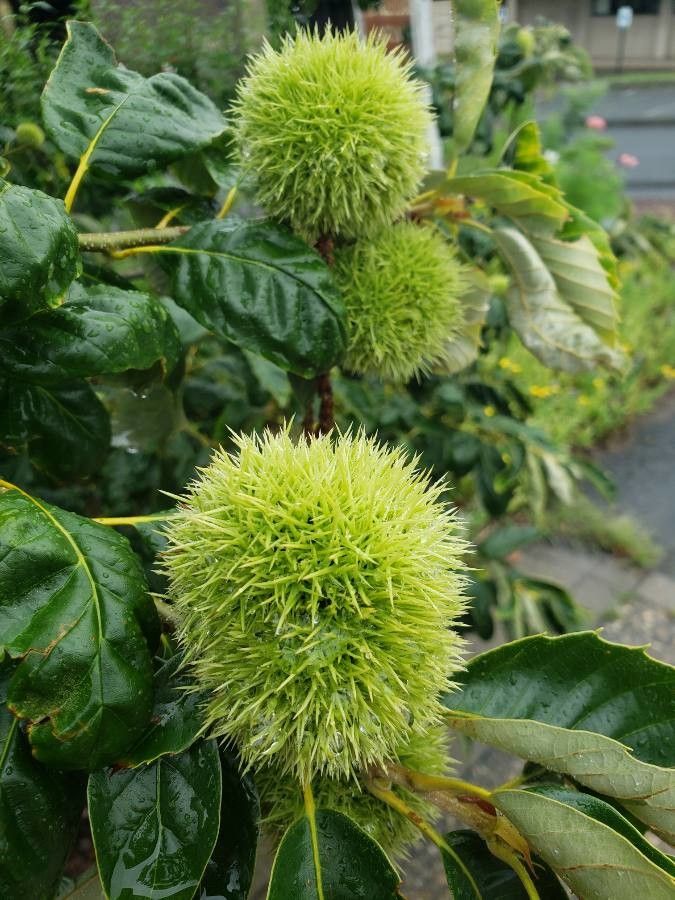
From Seed to Sapling: Growing Your Own Chinese Chestnut Tree
Have you ever dreamt of harvesting your own sweet, delicious chestnuts? It’s possible with a little patience and the right knowledge. Enter Castanea mollissima, better known as the Chinese chestnut – a tree renowned for its tasty nuts and potential to thrive in various climates.
But where do you get a Chinese chestnut tree? The answer may surprise you – you can grow one yourself! This guide will walk you through the fascinating (and surprisingly easy) world of chestnut propagation.
The Magic of Seeds
Starting with seeds is the most common way to propagate Chinese chestnut trees. Here’s the breakdown:
- Harvesting: Collect fresh chestnuts directly from the trees in autumn. Look for plump, mature nuts with a dark brown shell.
- Preparation: The key is removing the hard outer husk and allowing the nuts to dry thoroughly. Think of it as mimicking nature’s process of winter dormancy.
- Sowing: Once the seeds are dry, plant them directly in the ground outdoors. Choose a spot with well-drained soil and some direct sunlight. The seeds need a cold stratification period (around 60 days) to germinate, so winter is your friend!
- Patience: Germination can take several months, so keep the soil moist but not waterlogged. Once spring arrives, keep an eye out for tiny sproutlings!
Taking Advantage of Cuttings
For those seeking a faster route, propagation via cuttings is a viable option:
- Timing is Key: Cuttings taken from young, healthy branches in late summer or early autumn offer the best chance of success.
- The Technique: Cuttings should be a few inches long, taken just below a node (where leaves grow). Remove the bottom leaves, leaving a couple of leaves at the top.
- Rooting Hormone: This helps encourage root development. Dip the base of the cutting into rooting hormone powder or solution.
- The Right Environment: Plant the cuttings in a well-draining potting mix and provide a humid environment with indirect light. You can use a propagation dome or a plastic bag to create a mini greenhouse effect.
The Power of Grafting
For the experienced plant enthusiasts, grafting can be used to create hybrid trees or increase the success rate of specific varieties.
- Combining Varieties: This technique allows you to combine desirable traits from different chestnut varieties. Imagine the sweet taste of one variety combined with the disease resistance of another!
- The Process: Involves carefully joining a piece of the desired scion (the top part of the graft) onto the rootstock (the base). It’s a skillful process that requires sterile tools and careful technique.
Beyond the Basics
- Optimal Conditions: Chinese chestnut trees thrive in well-drained soil with a slightly acidic pH. They also prefer full sun and regular watering, especially when young.
- Pest and Disease: Keep an eye out for chestnut blight, a fungal disease that can harm trees. Good sanitation and preventive measures are essential.
- Patience and Time: It takes several years for Chinese chestnut trees to reach maturity and bear fruit. However, the reward of fresh, homegrown chestnuts is worth the wait.
Your Chestnut Tree Adventure Awaits
Growing your own Chinese chestnut tree from seed, cutting, or graft is a rewarding experience that brings the taste of nature to your table. So, gather your tools, choose your method, and embark on your own chestnut tree journey! You’ll be amazed at the beauty and satisfaction of watching your own tree flourish and produce delicious chestnuts year after year.