
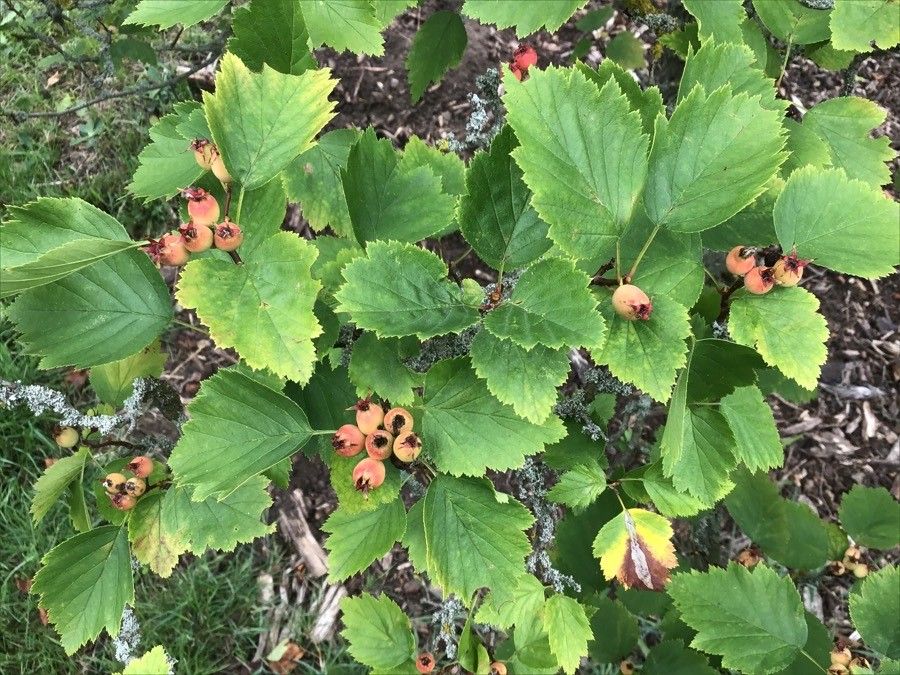
Grow Your Own River Hawthorn: A Guide to Propagating Crataegus fluviatilis
The River Hawthorn, or Crataegus fluviatilis, is a stunning native shrub known for its delicate white blooms and vibrant, red berries. A popular choice for hedgerows and wildlife gardens, this resilient species can now be easily grown in your own backyard.
If you’re looking to expand your garden with this beautiful and beneficial plant, propagation is the way to go. But don’t worry, it’s not as complicated as it sounds!
The Secrets of Hawthorn Success
River Hawthorn can be propagated using a few tried-and-true methods. Let’s explore each one:
1. Seed Propagation: A Classic Approach
- Harvesting the Seeds: Start by collecting ripe berries from your existing River Hawthorn plant or a local source in late summer or early autumn. These berries contain the precious seeds that will become your new plants.
- Cleaning and Stratification: Gently remove the seeds from the berries and rinse them to remove any surrounding pulp. Now, comes the essential step: stratification. This requires placing the seeds in a moist, cool environment (around 4°C) for 3-4 months. This mimics the natural winter period, prompting the seeds to germinate.
- Sowing: After stratification, sow the seeds in a seed tray filled with a well-draining potting mix. Keep the tray in a shady spot and mist regularly to maintain moisture. Germination can take a few weeks to a few months.
2. Softwood Cuttings: A Speedy Option
- Timing is Key: Choose softwood cuttings from new growth in late spring or early summer, ideally from branches that have just finished flowering. Cuttings should be about 10-15 cm long, with at least three sets of leaves.
- Preparation: Remove any lower leaves and make a diagonal cut at the base of the cutting just below a leaf node. Dip the cut end in rooting hormone powder to encourage root development.
- Planting: Insert the cuttings into a pot filled with a peat-free seed compost and mist regularly. Keep the pot in a humid and shady location, and within a few weeks, roots should start to form.
3. Layering: A Hands-On Approach
- Types of Layering: Layering involves encouraging a branch to develop roots while still attached to the parent plant. There are two common types: tip layering and air layering.
- Tip Layering: For this method, bend a flexible branch close to the ground and bury a section of it in the soil. Make a cut in the stem where it is buried, and secure it by pinning the branch down with a weight. Over time, roots will form at the buried section, and you can cut the rooted branch away from the parent plant.
- Air Layering: This method is suitable for branches that don’t reach the ground. Select a suitable branch and make a ring cut around the bark. Apply rooting hormone to the cut area and wrap the section in damp sphagnum moss, secured with a plastic wrap. Roots will develop within the moss, and after a few months, the rooted section can be cut from the parent plant.
Tips for Success
- Choose Healthy Plant Material: Always select cuttings or seeds from healthy, vigorous plants to ensure a higher success rate.
- Mist Regularly: Keep the rooting medium consistently moist, but avoid overwatering as this can lead to root rot.
- Protect from Pests: Regularly inspect your cuttings for pests or diseases and treat them promptly if necessary.
With patience and these simple techniques, you can easily propagate River Hawthorn and enjoy its beauty for years to come. So get out there and start growing your own! Remember, these plants are not only visually stunning but are also vital for supporting local wildlife, offering valuable food and shelter for birds and insects. By growing River Hawthorn, you’ll be contributing to a healthier ecosystem while enriching your garden with this enchanting native species.