
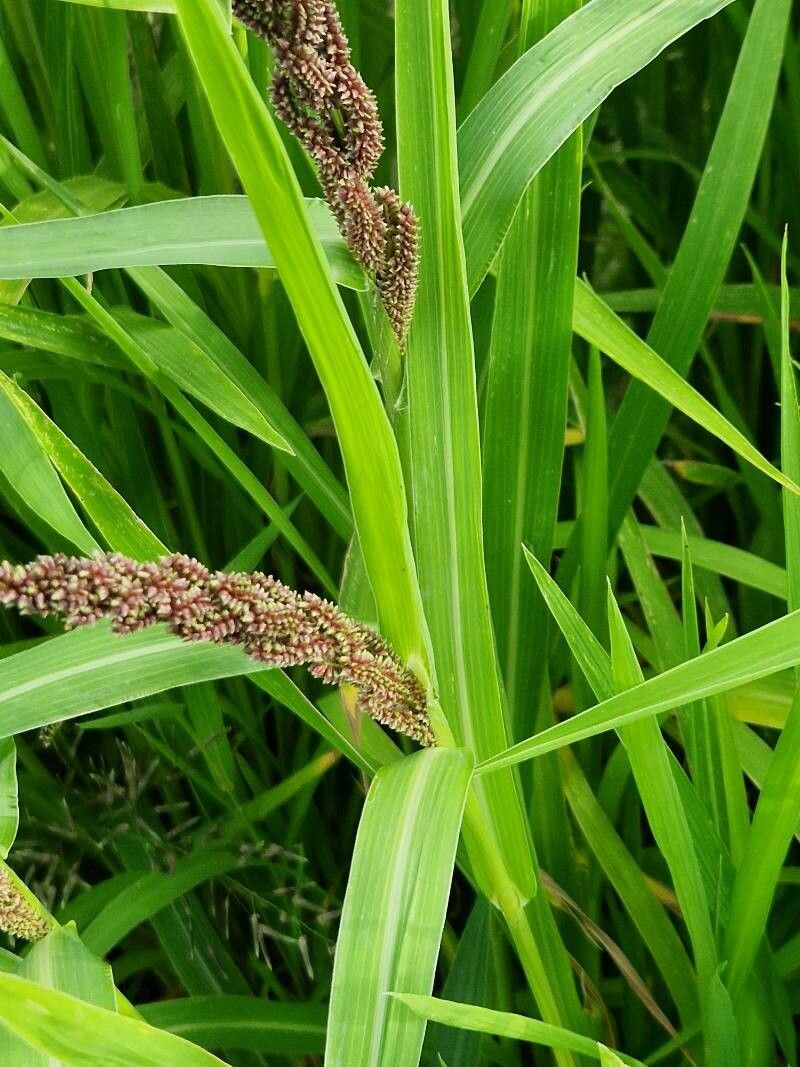
From Seed to Harvest: Unlocking the Secrets of Propagating Echinochloa frumentacea
As gardening enthusiasts, we all yearn to cultivate the beauty and bounty of nature in our own backyard. But have you ever considered the fascinating world of Echinochloa frumentacea, commonly known as Japanese millet? This hearty annual grass, revered for its versatility and nutritional value, is easily propagated with a few simple techniques. Let’s delve into the secrets of getting your Japanese millet journey started!
Seeds: The Foundation of Growth
The most common and readily available method of propagating Japanese millet is through seeds. These tiny treasures are packed with the potential for vigorous growth, offering a rewarding experience for novice and experienced gardeners alike.
Choosing the Right Seeds:
- Source: Look for reputable seed suppliers specializing in heirloom or organic varieties, ensuring access to high-quality seeds free from diseases and pests.
- Freshness: Opt for seeds with a recent harvest date for maximum viability.
Sowing the Seeds:
- Timing: For a successful harvest, direct sow seeds directly into the garden bed after the last frost date in your region.
- Soil Preparation: Choose a well-drained soil with a pH of 6.0-7.0. Amend with compost or manure to enhance fertility and water retention.
- Spacing: Sow seeds 1/2 inch deep and space them 6-12 inches apart for optimal growth.
- Depth: Cover the seeds lightly with soil and gently press them down.
- Watering: Water thoroughly after sowing, but avoid overwatering, which can lead to fungal diseases.
Beyond Seeds: Alternative Propagation Methods
While seeds are the preferred method, you can experiment with other propagation techniques:
- Division: For mature Japanese millet plants, carefully divide the plant into smaller sections, ensuring each has a good root system. Plant these divisions in a new location.
- Cuttings: While not a common method, stem cuttings can be taken from healthy, mature plants during the growing season. Dip the cut ends in rooting hormone and plant them in a moist propagation medium.
Nurturing Your Japanese Millet
After planting, nurturing your Japanese millet is key to a bountiful harvest:
- Watering: Provide regular moisture, especially during germination and establishment. Be sure to avoid overwatering which can lead to root rot.
- Weeding: Keep the area around the seedlings free of weeds, which can compete for nutrients and sunlight.
- Fertilizing: Use a balanced fertilizer every 4-6 weeks to ensure robust growth.
Harvest Time:
Japanese millet typically matures in around 60-80 days, so be sure to keep an eye on the developing seed heads. When the grains turn brown and the head begins to droop, it’s time to harvest!
Enjoy the Harvest:
The seeds of Echinochloa frumentacea are packed with nutritional value. They can be used for porridge and other grains, and even as a sustainable livestock feed.
By mastering these simple steps, you can enjoy your own flourishing patch of Japanese millet, a versatile and nourishing plant that can be enjoyed in various ways. So, why not embark on this rewarding journey today? You’ll be surprised by the ease and satisfaction of nurturing this delightful grass from seed to harvest!