
From One to Many: Unlocking the Secrets of Azorella corymbosa Propagation
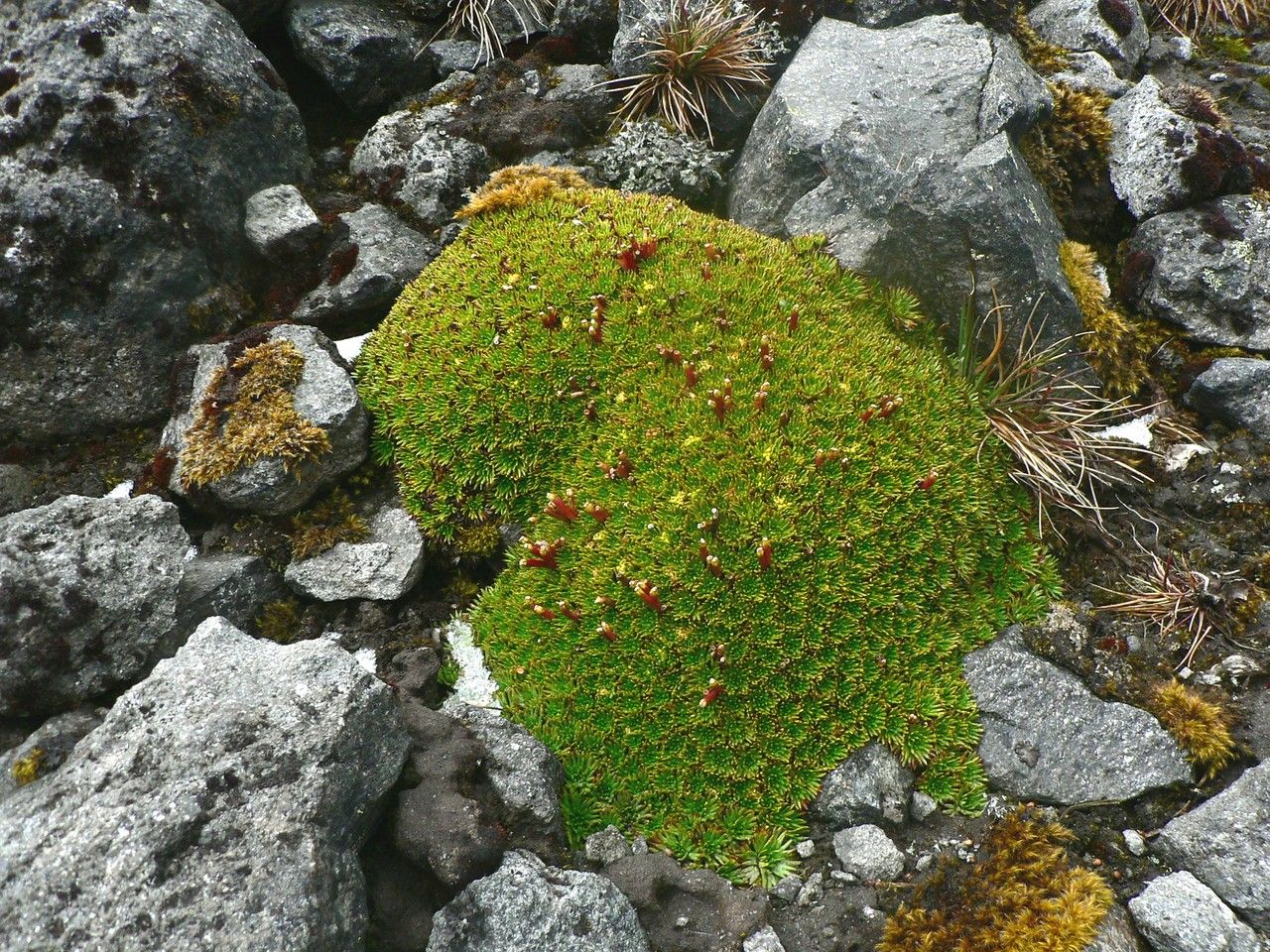
The Azorella corymbosa, also known by its charming name “Yareta,” is a fascinating plant with a captivating history. This resilient, cushion-forming species endemic to the high Andes Mountains of South America has been used for centuries by indigenous communities for fuel and medicinal purposes. Its slow growth and unique appearance have made it a coveted plant among gardeners, but propagating Yareta from seed or cuttings can be a delicate dance. Let’s delve into the world of Azorella corymbosa propagation and explore the techniques that can bring this extraordinary plant to your own garden.
The Art of Yareta Propagation
While the allure of Yareta lies in its unique, mossy appearance, achieving successful propagation requires a nuanced understanding of its needs. Here’s a breakdown of the most common methods:
1. From Seed to Sprout:
- The Challenge: Yareta seeds are notoriously slow to germinate, often taking several weeks or even months to sprout. Furthermore, they require specific conditions.
- The Technique:
- Collecting Seeds: Yareta flowers produce small, brown seeds. Collect these carefully after the flowers have fully matured.
- Sowing: Sow seeds in a sterile seed-starting mix, lightly covering them with a thin layer of soil.
- Environment: Maintain a consistent temperature between 65-75 degrees Fahrenheit (18-24 degrees Celsius) and provide high humidity using a humidity dome or tray.
- Patience is Key: Consistent moisture and ideal temperatures are crucial for seed germination. Be patient, and remember that young Yareta seedlings will be fragile.
2. The Art of Cutting:
- The Challenge: Yareta doesn’t readily root from cuttings, and the success rate can be quite variable.
- The Technique:
- Timing: Aim for spring or summer when the plant is actively growing.
- Selection: Choose healthy, non-flowering stems that are about 3-4 inches long. Make a clean cut, ensuring the cut is just below a node (the point where leaves emerge).
- Preparation: Remove the lower leaves and apply rooting hormone powder to the base of the cutting.
- Planting: Plant the cutting in a well-draining potting mix, ensuring the base is covered with soil.
- Environment: Provide a warm, bright location with indirect light and high humidity. A humidity dome can help.
3. Dividing Established Plants:
- The Challenge: This is the most successful and fastest method for multiplying Yareta, but it requires an existing plant.
- The Technique:
- Timing: The best time for division is in spring or early summer.
- Preparation: Gently loosen the soil around the plant to expose the root system. Use a sharp knife or shovel to carefully divide the plant into sections, ensuring each section has healthy roots and foliage.
- Repotting: Pot the divided sections into well-draining potting mix. Water them thoroughly and let the soil slightly dry out between waterings.
Cultivating Your Yareta Success
No matter the method you choose, establishing your Azorella corymbosa in a garden setting requires dedication and an understanding of its needs:
- Light: Yareta thrives in bright, indirect light. Avoid direct sunlight, which can scorch the leaves.
- Soil: A well-draining soil mix is crucial. Avoid overwatering, as this can lead to root rot.
- Water: Allow the soil to dry slightly between waterings. Overwatering can harm the plant.
- Low Maintenance: Yareta is a fairly low-maintenance plant, but it does require annual pruning to maintain its shape and prevent it from becoming leggy.
The Journey of Patience
Propagating Yareta requires patience. Whether starting with seeds or cuttings, understand that it’s a journey of dedication. However, the reward of witnessing this unique and ancient plant thriving in your own garden is an experience worth cherishing. With the right care and attention, you can unlock the secrets of Azorella corymbosa propagation and bring a touch of the Andes to your own outdoor sanctuary.