
The Curious Case of the “Fly-Eating” Plant: How to Propagate the Helicodiceros muscivorus
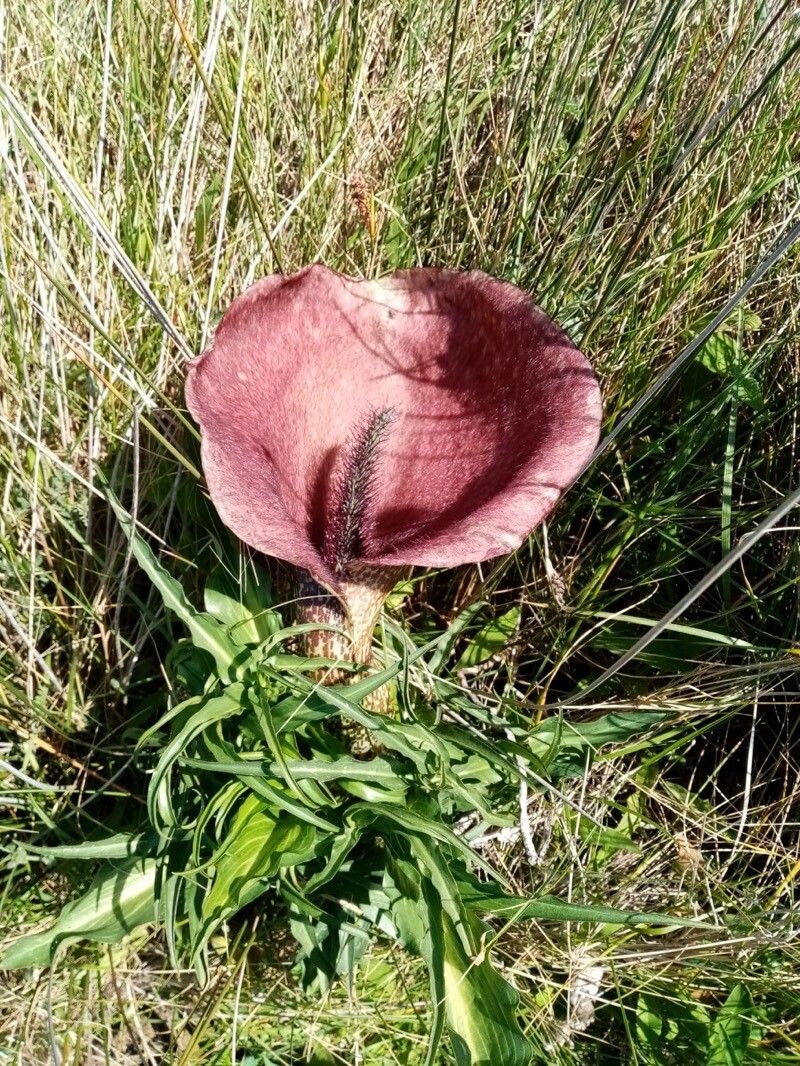
The Helicodiceros muscivorus, or the “Dead Horse Arum,” might sound like something out of a horror movie, but it’s actually a fascinating and unique plant with a truly bizarre way of attracting pollinators – or in its case, pollinators. This relative of the common houseplant, the philodendron, is native to the Mediterranean region and has earned its nickname due to its foul, rotting-meat-like odor. While the smell is certainly memorable, it’s this very smell, combined with a striking, maroon-colored spathe, that attracts flies, its primary pollinators.
If you’re intrigued by this unusual plant, you might be wondering if it’s possible to grow it yourself. Good news! The Helicodiceros muscivorus can be propagated, although it’s not as simple as taking a cutting from a philodendron. The process involves sowing seeds, and here’s a breakdown of what you’ll need to do:
1. Sourcing Seeds:
- Gathering from the Plant: If you’re fortunate enough to have a Helicodiceros muscivorus plant already, you can collect seeds after the plant flowers. The seeds are produced within the spadix, the fleshy structure inside the spathe. Wait until the spadix turns brown and dry, then carefully extract the seeds.
- Purchasing Online: Several reputable online seed vendors specialize in rare and unusual plants. You can find Helicodiceros muscivorus seeds through these sources.
2. Preparing the Seeds:
- Scarification: The seeds of Helicodiceros muscivorus have a hard outer coat that prevents germination. To aid germination, you need to scarify the seeds. This can be done by lightly nicking the seed coat with a sharp knife or by soaking them in warm water for 24 hours. This process weakens the outer coat, allowing the seed to absorb water and begin to sprout.
3. Sowing the Seeds:
- Time of Year: The best time to sow Helicodiceros muscivorus seeds is in the spring or early summer. This allows the seedlings to establish and grow during the warmer months.
- Potting Mix: Use a well-draining potting mix that is specifically designed for seed starting. Add a small amount of perlite to improve drainage further.
- Planting Depth: Sow the seeds about ¼ inch deep in the potting mix. Space them out slightly so that they have room to grow.
- Watering: Keep the potting mix consistently moist but not soggy. Water the seeds using a watering can with a fine rose to avoid disturbing them.
4. Germination and Care:
- Warmth and Light: The seeds of Helicodiceros muscivorus require warmth and bright, indirect light to germinate. Keep the pot in a warm location, ideally between 70-75 degrees Fahrenheit.
- Patience: Germination can take several weeks, sometimes even months. Don’t be discouraged if you don’t see seedlings emerge immediately. Once they do appear, you can gradually acclimate them to sunlight.
- Repotting: Once the seedlings have a few true leaves, you can repot them into larger pots with fresh potting mix. Choose pots with drainage holes to prevent root rot.
Important Considerations:
- Pollination: Remember, the foul odor of the Helicodiceros muscivorus is crucial for its pollination. If you’re growing it indoors, you might not get seeds unless you hand-pollinate the plant, which involves transferring pollen from one flower to another.
- Winter Dormancy: This plant is deciduous, meaning it loses its leaves during the winter months and enters a dormant phase. During this time, you can move it to a cool, dark location and reduce watering.
Propagating the Helicodiceros muscivorus is a challenging but rewarding endeavor. With patience and proper care, you can cultivate this fascinating plant in your own garden or home, adding a unique and intriguing touch. Remember, the “Dead Horse Arum” is not your average houseplant, but its peculiar odor and dramatic spathe will surely become memorable conversation starters.