
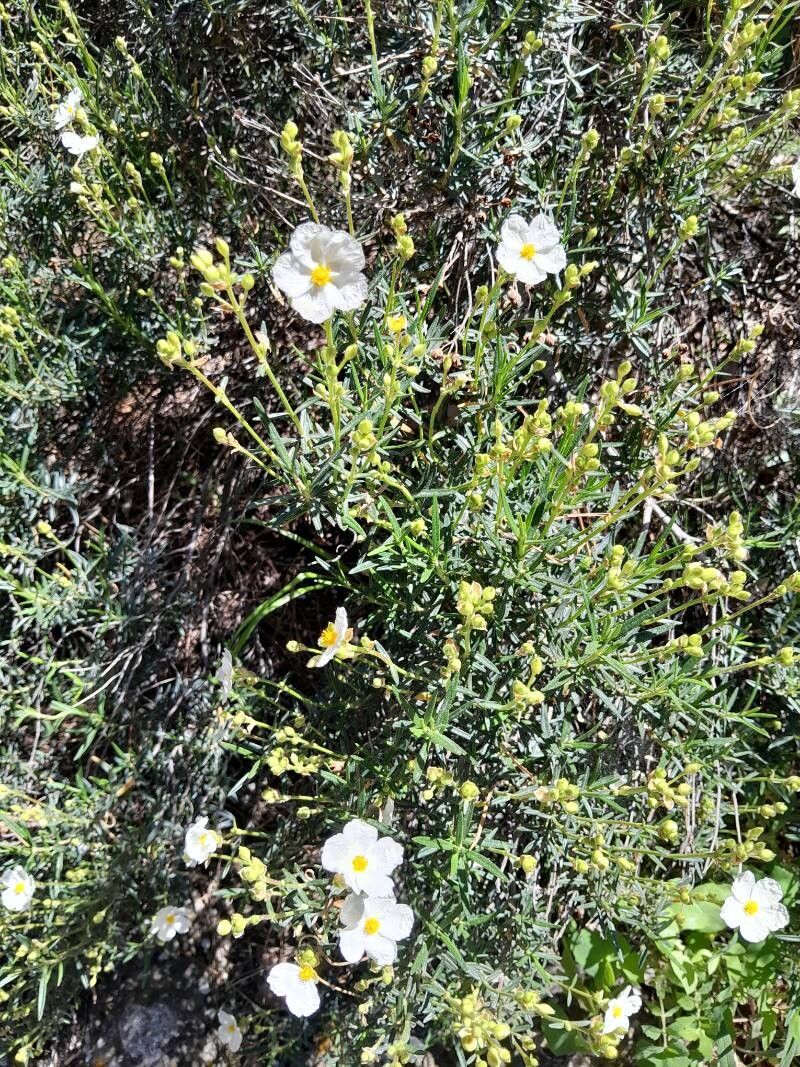
Unlocking the Secrets of Cistus Clusii: Propagation Made Easy
Cistus clusii, with its delicate pink flowers and vibrant green foliage, is a captivating Mediterranean beauty that can grace any garden. But how do you ensure a flourishing colony of these stunning shrubs? Enter the world of propagation – the magical art of creating new plants from existing ones.
Why Propagate?
Propagating your own Cistus clusii plants brings several benefits:
- Cost-effective: Purchasing new plants can be expensive. Propagation allows you to create multiples for a fraction of the cost.
- Genetic Variety: Seed-grown plants can exhibit variability, making propagation from cuttings a reliable way to maintain the desired traits of your existing plant.
- Enjoyment: There’s a deep sense of satisfaction in nurturing a new plant from a small cutting. It’s a fulfilling and rewarding experience for any gardener.
The Methods: Seeds vs. Cuttings
Cistus clusii can be propagated by both seeds and cuttings, each with its own advantages and intricacies.
1. Seeds:
- Harvesting: Gather ripe seed capsules from your existing plant. Allow them to dry before extracting the tiny, black seeds.
- Sowing: Sow seeds in a seed tray filled with a well-draining seed compost. Lightly cover the seeds with soil and keep the compost moist, though not waterlogged.
- Germination: Seeds need a warm, sunny spot for germination. Ideal temperatures are between 20-25°C (68-77°F). Germination can take several weeks.
- Patience: Seed-grown Cistus clusii plants might take several years to reach flowering size.
2. Cuttings:
- Timing: Take semi-hardwood cuttings in late summer or early autumn. These are cuttings taken from the current year’s growth that have started to harden.
- Preparation: Use a sharp knife or shears to take 10-15cm (4-6 inch) cuttings. Remove the lower leaves and dip the cut end in a rooting hormone to encourage root growth.
- Planting: Insert the cuttings into a pot filled with a free-draining compost. Place the pot in a bright, sheltered location, ideally under a cloche or plastic wrap to retain humidity.
- Root Development: Regularly check the moisture levels and ensure the compost is moist but not soggy. Roots should develop within 4-6 weeks.
Tips for Success:
- Choose Healthy Material: Only use cuttings from healthy, vigorous plants.
- Sharp Tools: Clean, sharp knives or shears minimize damage to the cuttings.
- Don’t Overwater: Overwatering can lead to root rot. Allow the compost to dry slightly between waterings.
- Patience: Propagation takes time. Be patient and consistent with your care, and your Cistus clusii will reward you with beautiful blooms.
Beyond the Basics:
Once your cuttings have rooted, gradually introduce them to outdoor conditions. It’s important to protect them from harsh frosts and direct sunlight for the first year or two.
With a bit of care and attention, propagating your own Cistus clusii is a rewarding experience. Embrace the journey of nurturing these lovely plants from cuttings or seeds, and enjoy the beauty they bring to your garden for years to come.