
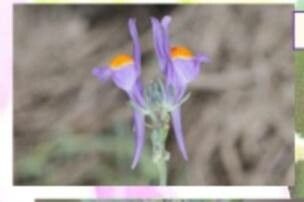
From Seeds to Blooms: Your Guide to Propagating the Stunning Linaria Haelava
The Linaria haelava, also known as the “Toadflax,” is a captivating plant with delicate, vibrant blooms that resemble miniature snapdragons. With its upright habit and clusters of colorful flowers, it adds a touch of elegance to any garden. But did you know that bringing the beauty of Linaria haelava into your home is as easy as starting from seed? That’s right, propagating this stunning plant is straightforward and rewarding, allowing you to share its charm with friends or expand your own garden.
Seeds of Success: A Beginner-Friendly Approach
The most popular and successful method for propagating Linaria haelava is through seeds. They are readily available at garden centers or online retailers and are easy to germinate. Let’s dive into the steps:
Timing is Key: For optimal results, sow seeds indoors in late winter or early spring. This provides the young seedlings with a head start before transplanting outdoors.
Seed Starting Medium: Prepare your seed starting trays or pots with a well-draining seed starting mix. Linaria haelava prefers a slightly acidic soil with a pH of around 6.0-6.5.
Sowing the Seeds: Scatter the seeds thinly across the surface of the seed starting mix, leaving some space between them. Lightly cover the seeds with a thin layer of the mix.
Water Gently: Moisten the soil thoroughly but avoid overwatering. It’s crucial to maintain consistent moisture without the soil becoming soggy.
Warmth and Light: Place the seed tray or pot in a warm, sunny location with temperatures around 65-75°F (18-24°C). You can use a heat mat to ensure consistent warmth for germination.
- Germination Time: Linaria haelava seeds usually germinate within 10-14 days. Keep the soil moist and the seedlings in a bright location.
Nurturing Your Young Linaria:
Once the seedlings have grown a few true leaves (the leaves that appear after the initial seed leaves), you can transplant them into larger pots or directly into the garden.
Hardening Off: Before transplanting outdoors, “harden off” the seedlings by gradually exposing them to the outdoors for increasingly longer periods over the course of a week. This helps them adjust to the changing conditions.
Spacing: When planting in your garden, space the seedlings 12-18 inches apart. This will allow sufficient room for them to grow and thrive.
- Sun and Soil: Linaria haelava thrives in full sun to partial shade and prefers well-drained soil.
Enjoying the Blooms and Beyond
Linaria haelava typically starts blooming in late spring or early summer and continues to produce flowers throughout the growing season.
Deadheading: Deadheading, or removing spent flower blossoms, encourages extended flowering.
- Self-Sowing: Linaria haelava is known for its tendency to self-sow, which means that the plant will drop seeds and create new plants. If you prefer less spreading, you can remove spent flowerheads before they go to seed.
A Few More Tips
Protection from Frost: Linaria haelava is not frost-tolerant. If you live in an area with cold winters, you may need to protect the plants with mulch or bring them indoors for the winter.
Pest Control: This plant is generally resistant to pests but can be susceptible to fungal diseases in humid conditions.
- Enjoy the Show: Take pride in your flourishing Linaria haelava plants. Their unique and vibrant blooms are sure to add a touch of magic to your garden or home!
Propagating Linaria haelava is a rewarding and attainable process, whether you’re a seasoned gardener or just starting out. Not only will you enjoy the beautiful blooms, but you’ll also cultivate a connection with nature that’s sure to last. Happy planting!