
From Seed to Success: Propagating the Curious Helicteres isora (and Why You Should!)
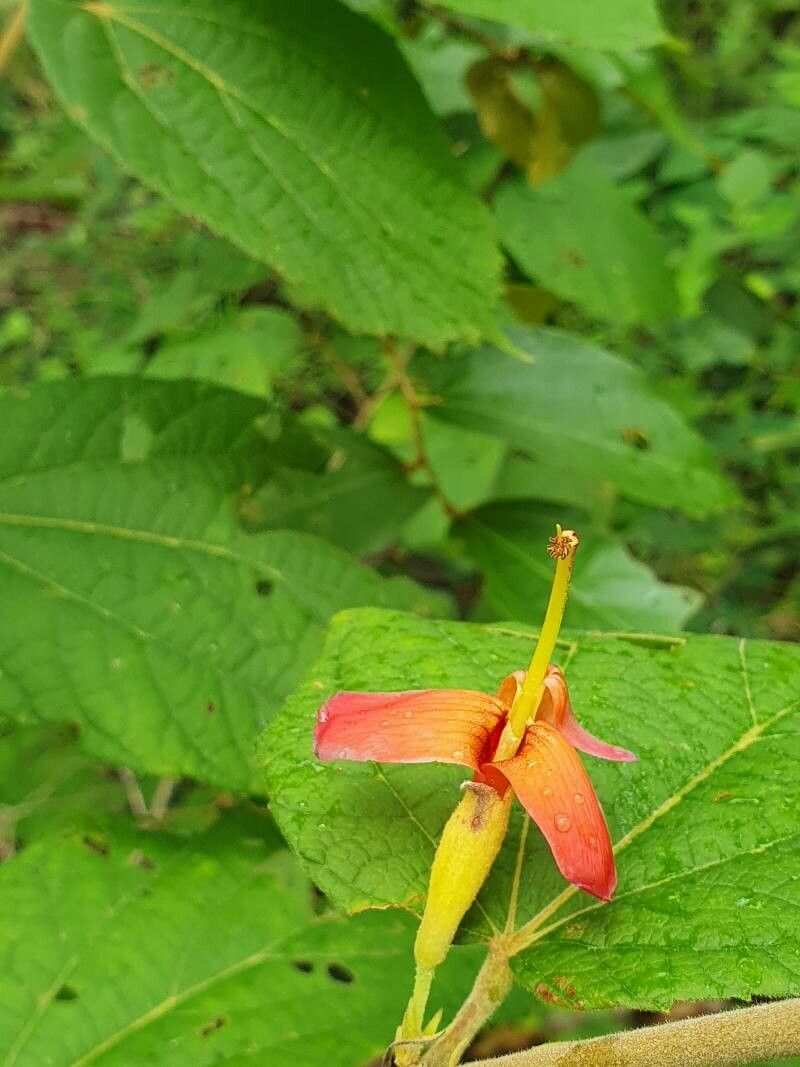
The Helicteres isora, also known as the East Indian Screw Tree, is a plant that’s as fascinating as it is beautiful. Its twisting, spiraled seed pods and uniquely shaped leaves are enough to grab anyone’s attention, but did you know this plant also boasts potential medicinal properties and is a valuable source of fiber? If you’re interested in adding this unique plant to your garden, you’re in luck. It’s relatively easy to propagate, and we’re here to walk you through how.
Propagating from Seed:
- Gather Your Seeds: The seeds are found within the spiraled pods that mature to a brown color. You can collect them directly from your own tree or purchase them online.
- Prepare the Seedling Mix: Use a well-draining potting mix like a combination of peat moss, perlite, and vermiculite. Fill small pots or trays with the mix.
- Sow the Seeds: Place one or two seeds per pot or cell, pressing them lightly into the mix. Cover them with a thin layer of soil, roughly half a centimeter deep.
- Watering: Gently water the mix, ensuring the soil is moist but not waterlogged.
- Provide Light: Place the pots in a warm, bright location with indirect sunlight.
- Germination: Helicteres isora seeds typically take 10-14 days to germinate, so be patient!
- Thinning: Once the seedlings have developed their first set of true leaves, thin them out, leaving the strongest seedling in each pot.
Pro Tip: For a higher germination rate, you can soak your seeds in warm water for a few hours before planting.
Exploring Other Propagation Methods:
While seed propagation is the most common method, Helicteres isora can also be propagated through cuttings. Taking softwood cuttings during the spring or summer months is the most successful approach:
- Cuttings: Select healthy, non-flowering stems and cut them into 4-6 inch lengths, ensuring you include at least two nodes per cutting.
- Prepare: Remove the leaves from the lower half of the cutting and dip the cut end in rooting hormone.
- Potting Mix: Use a well-draining mix like a peat moss and perlite blend. Plant the cutting approximately an inch deep, leaving the lower nodes buried.
- Moisture: Water well and place the cuttings in a warm, humid environment, ideally covered with a humidity dome or plastic wrap to retain moisture.
- Rooting: Keep the potting mix consistently moist and provide bright, indirect light until the cuttings root, which can take around 6-8 weeks.
Caring for Your Helicteres isora:
Once your seedlings or cuttings are established, they require minimal care:
- Sunlight: Helicteres isora thrives in full sun to partial shade.
- Watering: The plant is relatively drought tolerant, but regular watering is essential during the hot summer months.
- Soil: Well-draining, fertile soil is ideal.
- Fertilizer: A light application of balanced fertilizer during the growing season can promote healthy growth.
- Pruning: Minor pruning can be done after flowering to maintain the plant’s shape and encourage bushier growth.
Why Should You Grow Helicteres isora?
Beyond its unique appearance, the Helicteres isora offers numerous benefits:
- Medicinal Properties: The bark, leaves, and roots have been traditionally used for various ailments in Ayurvedic medicine.
- Fiber Source: The plant’s strong fibers are used for making ropes and twine, giving it significant economic value in some regions.
- Environmental Value: Its dense foliage and deep root system help prevent soil erosion.
- Wildlife Habitat: The plant’s attractive flowers attract pollinators, enriching the local ecosystem.
Whether you’re captivated by its unusual features, drawn to its potential benefits, or simply seeking a unique addition to your garden, the Helicteres isora is an excellent plant to grow. So, gather your seeds, grab your potting mix, and start growing this fascinating and rewarding plant today!