
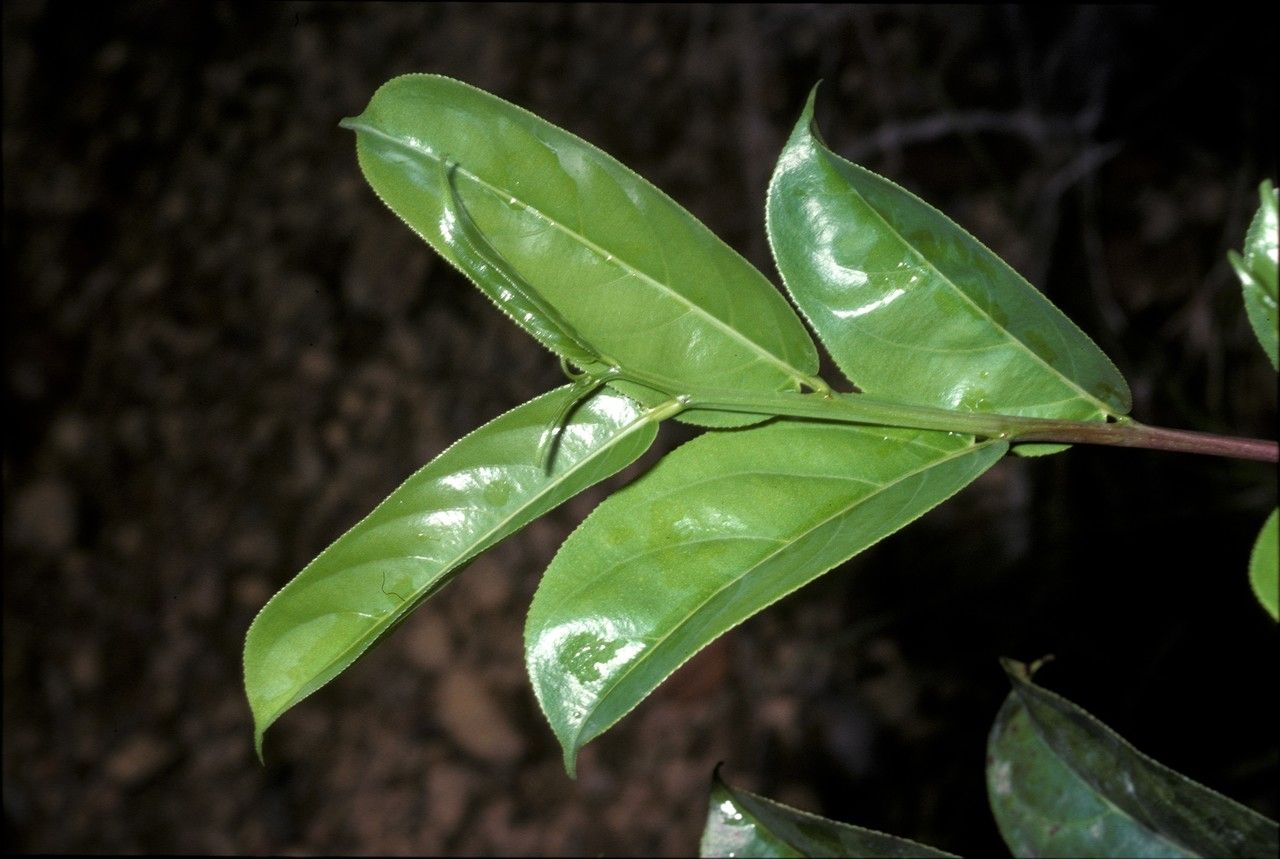
Unlocking the Secrets of Casearia bicolor Propagation: From Seed to Success
The Casearia bicolor, with its vibrant foliage and bountiful white blossoms, is a true tropical gem. But more than just its beauty, this plant boasts medicinal properties and a rich cultural history, making it a sought-after addition to any garden. If you’re eager to grow your own Casearia bicolor, propagating it is the way to go! This guide will walk you through the most effective methods, giving you the knowledge and confidence to multiply your green treasures.
Methods of Propagation
Casearea bicolor can be propagated through two primary methods:
- Seed Propagation: This is the most common method, primarily used for large-scale cultivation. However, it can be a bit time-consuming.
- Cuttings Propagation: A faster and more efficient way to propagate, giving you a head start on growing a beautiful Casearia bicolor.
Seed Propagation
- Harvesting Seeds: The best time to collect Casearia bicolor seeds is when the fruit ripens and turns black. Carefully extract the seeds from the fleshy fruit, making sure they are dry and free of any clinging pulp.
- Preparation: Before sowing, it’s essential to scarify the seed coat. This can be achieved by gently rubbing them with sandpaper or using a nail file to create tiny scratches. Scarification helps break down the hard outer coat, promoting germination.
- Sowing: Choose a well-draining seed starting mix and fill a seed tray or pots. Sow the seeds shallowly, about ¼ inch deep, and cover them lightly with more seed starting mix. Water thoroughly and provide bright, indirect light.
- Germination: Germination can take anywhere from a few weeks to several months, depending on the environmental conditions. Maintain a consistent temperature around 70-75°F (21-24°C) and keep the soil moist, ensuring proper drainage.
Propagation via Cuttings
- Choosing Cuttings: Select healthy, non-flowering stems with at least 4-6 nodes. Use sharp pruning shears to take cuttings about 4-6 inches long.
- Preparing Cuttings: Remove the leaves from the bottom 2 inches of the cutting and dip the cut end in a rooting hormone powder to encourage root development.
- Rooting Medium: Use a well-draining medium like a mix of perlite and vermiculite. Place the cuttings into the medium, ensuring the cut end is buried about 2 inches deep.
- Humidity and Light: It’s crucial to maintain high humidity around the cuttings. You can do this by covering the container with a plastic dome or bag, allowing for some air circulation. Place the container in a bright, indirect light location.
- Rooting Time: Within a few weeks, roots should start to develop. Once the cuttings have established a good root system, they can be gradually acclimated to direct sunlight before being transplanted into larger pots or the garden.
Tips for Success
- Water Wisely: Keep the soil consistently moist but not waterlogged. Overwatering can lead to problems like root rot.
- Light and Ventilation: Provide bright, indirect light. Allow for good air circulation to prevent fungal diseases.
- Fertilization: Once the cuttings have rooted or seedlings have emerged, use a balanced liquid fertilizer to support their growth.
Growing Your Own Casearia bicolor
By following these simple propagation methods, you can grow your own Casearia bicolor from seed or cuttings. With patience and proper care, you’ll be enjoying the vibrant beauty of this tropical wonder in your own garden in no time! Remember, propagation is a rewarding process. It’s a way to connect with nature, ensuring the survival of this valuable plant while experiencing the joy of witnessing new life emerge.