
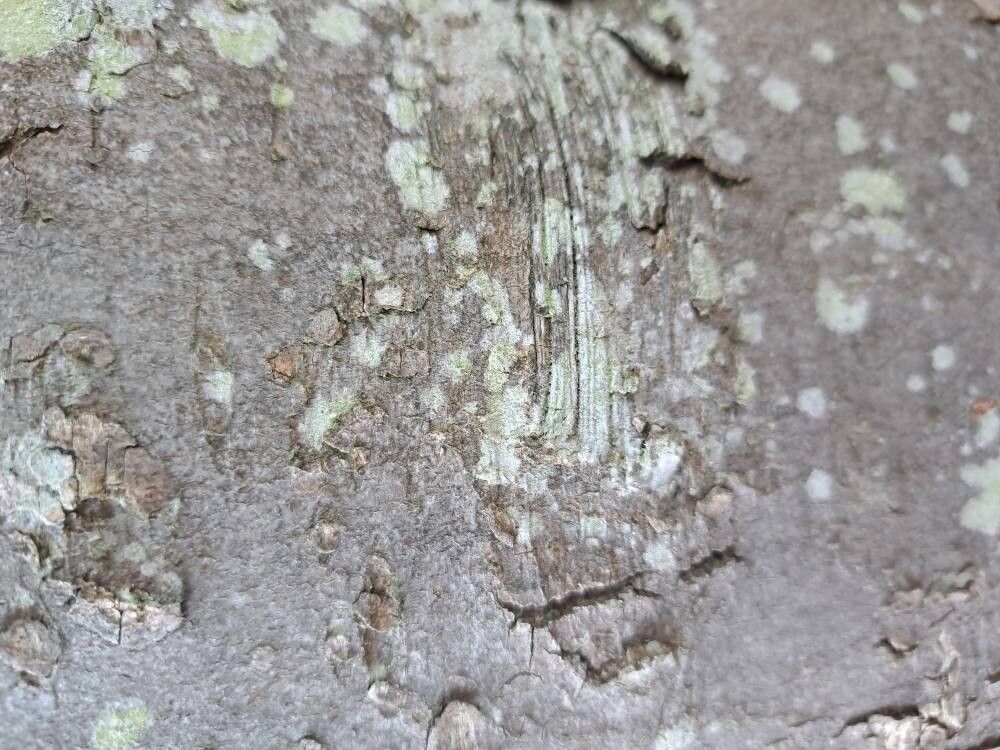
Unlocking the Secrets of Propagation: Growing Your Own Purpleheart Tree
The Peltogyne venosa, commonly known as the Purpleheart tree, is a captivating species. Its striking purple wood, prized for its unique beauty and durability, adds a touch of elegance to any space. But beyond its aesthetic appeal, the Purpleheart is a fascinating tree with a rich history and unique challenges when it comes to propagation.
This blog delves into the world of growing your own Purpleheart tree, exploring the different propagation methods and the crucial factors that determine success.
Challenges of Propagation
Unlike many other tree species, propagating Peltogyne venosa is not a walk in the park. The tree’s challenging germination and growth characteristics require patience and meticulous care.
The Seed Struggle: Purpleheart seeds have a notoriously low germination rate. This is primarily due to a tough seed coat that prevents water and oxygen from penetrating, inhibiting germination.
The Importance of Fresh Seeds: Freshness is paramount. Seeds should only be sown as soon as they are collected, as they lose viability quickly.
Methods of Propagation
While challenging, there are two main methods for propagating Peltogyne venosa:
1. Seed Propagation:
- Scarification: Beforehand, you must “scarify” the seeds. This involves using sandpaper or a file to slightly break the seed coat, allowing the seed to absorb water and germinate.
- Soaking: After scarifying, soak the seeds in warm water for 24 hours. This helps to soften the seed coat further.
- Sowing: Plant them in a well-drained seed-starting mix, ensuring adequate moisture and warm temperatures (around 70°F).
- Patience is Key: Be prepared for slow germination. It can take several weeks or even months for the seedlings to emerge.
- Humidity and Light: Create a high-humidity environment and provide filtered sunlight for the young seedlings.
2. Cuttings Propagation:
- Rooted Cuttings: This method is less commonly practiced, but it may be more successful than seed propagation.
- Timing: Take cuttings during the spring when the tree is actively growing.
- Treatment: Dip the cuttings in rooting hormone to boost their chances of developing roots.
- Humid Environment: Plant the cuttings in a humid environment with well-draining soil, providing partial shade.
- Patience: Be patient, as rooting can take several months.
Factors for Successful Propagation:
Moisture: Maintain the correct moisture levels without overwatering, which can rot young seedlings.
Light: Young Purpleheart seedlings require filtered sunlight but avoid direct sunlight exposure, as they are sensitive to heat.
Warmth: Consistent warm temperatures are crucial for successful germination and growth.
Nutrients: Use a well-balanced fertilizer to provide the essential nutrients needed for healthy growth.
Environment: Create a humid environment for young plants to thrive.
Conclusion:
While challenging, propagating your own Peltogyne venosa can be an incredibly rewarding experience. By understanding the intricacies of this species and following best practices, you can cultivate your own piece of Purpleheart beauty. Remember, patience, care, and a bit of perseverance are key to success. With dedication, you can witness the magical transformation from seed to tree, appreciating the unique splendor and resilience of the Purpleheart.