
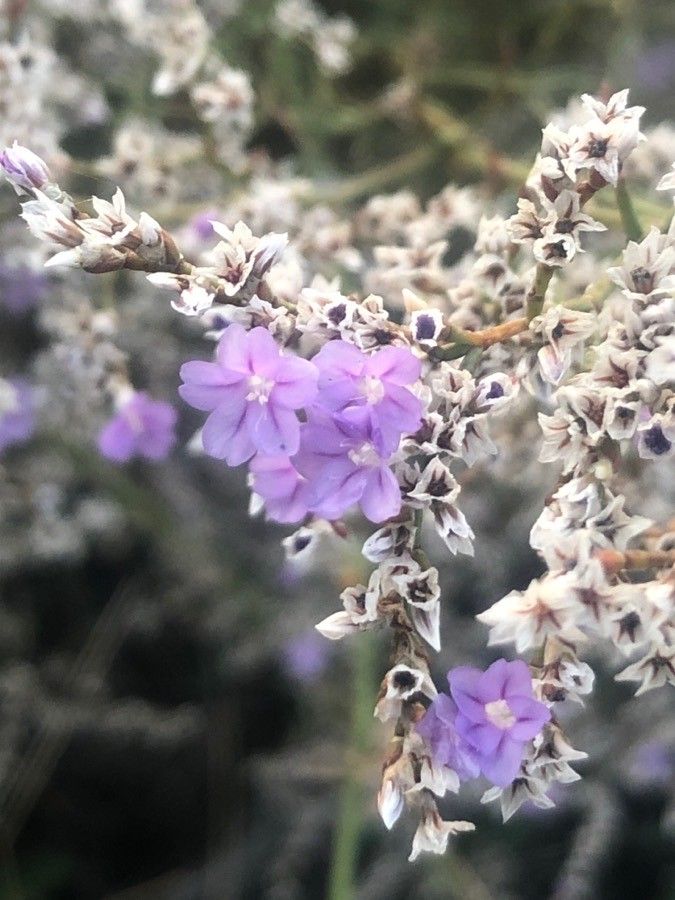
From Tiny Seeds to Bountiful Blooms: Propagating Limonium Dichotomum, the Statice You’ll Love
Limonium dichotomum, better known as statice, is a beloved flower known for its vibrant, long-lasting blooms and unique papery texture. It’s a popular choice for dried arrangements, adding color and whimsy to any space. But did you know you can easily propagate statice at home? This article will guide you through the process, from seed starting to transplanting.
Why Propagate Statice?
- Cost Savings: Starting from seed is significantly less expensive than buying plants at the nursery.
- Variety: You can choose from a vast array of statice colors and varieties not readily found in stores.
- Fulfillment: There’s something incredibly rewarding about nurturing a plant from seed to bloom.
The Basics of Statice Propagation
Statice can be propagated through seeds and cuttings, making it a versatile and beginner-friendly plant.
1. Starting from Seed
- Timing: Statice seeds require warm temperatures to germinate. Start them indoors around 6-8 weeks before the last expected frost in your region.
- Materials: You’ll need seed starting trays, seed starting mix, a watering can, and a sunny windowsill or grow lights.
- Process:
- Fill the seed trays with moist seed starting mix.
- Sow the seeds thinly on the surface of the mix and gently press them in.
- Cover the trays with a clear plastic dome or wrap to retain moisture and warmth.
- Place them in a warm, sunny location and keep the soil consistently moist.
- Seedlings should emerge within 10-14 days.
- Once the seedlings have a few true leaves, thin them out, keeping the strongest plant in each cell.
2. Taking Cuttings
- Timing: The best time to take cuttings is during the spring or early summer when the plant is actively growing.
- Materials: You’ll need a sharp knife or pruning shears, rooting hormone, and small pots filled with rooting mix.
- Process:
- Choose a healthy, non-flowering stem from your statice plant.
- Snip the stem just below a node (the point where leaves emerge).
- Remove any leaves from the bottom 2-3 inches of the stem.
- Dip the end of the cutting in rooting hormone.
- Insert the cut end of the stem into the rooting mix.
- Water the cutting and keep it in a warm, bright location with indirect sunlight.
- Rooting usually takes 4-6 weeks.
Transplanting Your Statice
- Timing: Once your seedlings or cuttings have developed strong root systems, they’re ready to be transplanted outdoors. Wait until the temperature has warmed up and any risk of frost has passed.
- Process:
- Choose a sunny location with well-drained soil. Statice prefers slightly acidic soil with a pH of 6.0-6.5.
- Dig a hole slightly larger than the root ball.
- Gently remove the seedling or cutting from its container, being careful not to disturb the roots.
- Place the plant in the hole and backfill with soil, tamping it down lightly.
- Water the plant deeply and keep the soil consistently moist.
Caring for Your Statice
Statice is a relatively low-maintenance plant, but it needs adequate sunlight and well-drained soil to thrive. Here are some tips for caring for your newly propagated statice:
- Sunlight: Statice needs at least 6 hours of full sun each day.
- Watering: Water deeply but infrequently, allowing the soil to dry out slightly between waterings. Avoid over-watering.
- Fertilizing: Feed your statice with a balanced fertilizer every few weeks during the growing season.
- Deadheading: Deadhead spent blooms to encourage new flower production.
Enjoy Your Blooms!
With a little patience and care, you can successfully propagate your own statice plants. These beautiful flowers will bring a splash of color and joy to your garden and home for years to come. Happy growing!