
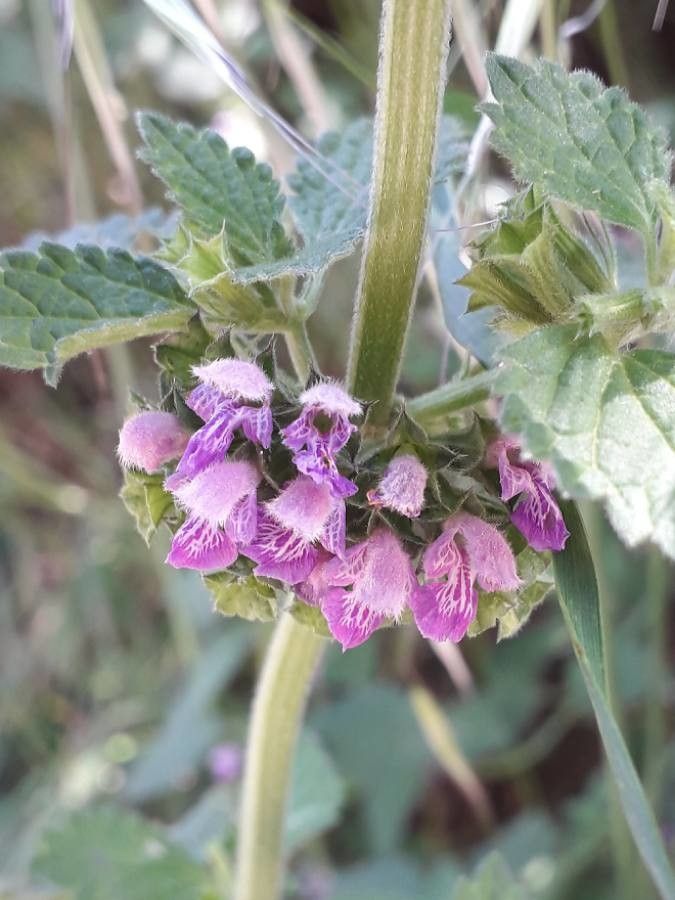
Black Horehound: From One Plant to Many – A Guide to Propagation
Black horehound (Ballota nigra) is a hardy, aromatic herb known for its medicinal properties and distinct, slightly bitter taste. As a gardener, you might be wondering, “Can I grow more of this fascinating plant?” The good news is that black horehound is fairly easy to propagate, allowing you to expand your collection and share its benefits with others.
Let’s explore the different methods you can use to multiply your black horehound bounty:
1. Seed Propagation: Starting from Scratch
- When to sow: Black horehound seeds can be directly sown in the ground after the last frost or started indoors 6-8 weeks before the final frost.
- Preparation: Choose a sunny location with well-drained soil. Sow seeds thinly and cover them with a light layer of soil.
- Germination: Expect germination in 10-14 days at a temperature of around 65-70°F.
- Thinning: Once seedlings appear, thin them to a distance of 12-18 inches apart.
2. Division: A Quick Way to Multiply
- Best time: Spring or fall are ideal for dividing established black horehound plants.
- The technique: Gently lift the plant from the ground and divide the root ball with a sharp knife or shovel. Each division should have its own set of roots and stems.
- Planting: Plant the divisions in prepared beds or pots, ensuring they are spaced according to the plant’s mature size.
3. Cuttings: Making New Plants from Existing Stems
- Best time: Take cuttings from healthy black horehound plants during the growing season (spring or summer).
- Technique: Cut a section of stem about 4-6 inches long, removing any lower leaves. Dip the cut end in rooting hormone to encourage root growth.
- Rooting: Plant the cuttings in a well-draining potting mix and maintain a moist environment. You can use a rooting hormone powder, a rooting cube, or cover the cutting with a plastic bag to create a humid atmosphere.
- Transplanting: Once roots develop (usually within 4-6 weeks), transplant the cuttings to their permanent locations.
Tips for Success:
- Sunlight: Black horehound thrives in full sun to partial shade.
- Soil: Well-drained soil is key. Amend the soil with compost or other organic matter for best results.
- Watering: Water regularly, especially when the plant is young. Avoid overwatering.
- Harvesting: Harvest leaves throughout the growing season. Cut back stems for a more compact plant.
Consider These: Black Horehound’s Unique Traits
- Medicinal Uses: Black horehound has a long history of medicinal uses, traditionally employed for respiratory ailments, digestive issues, and skin conditions.
- Taste: Its strong, slightly bitter flavor might not appeal to everyone but can be used to add a unique twist to teas, herbal infusions, and even culinary dishes.
- Attractiveness: With its tall, flowering stems and delicate purple blooms, black horehound adds beauty to your garden.
Propagating black horehound is a rewarding experience. Whether you choose seeds, division, or cuttings, you can easily expand your plant collection and enjoy the multiple benefits of this versatile herb. So, get started and witness the transformation of one plant into many. Happy growing!