
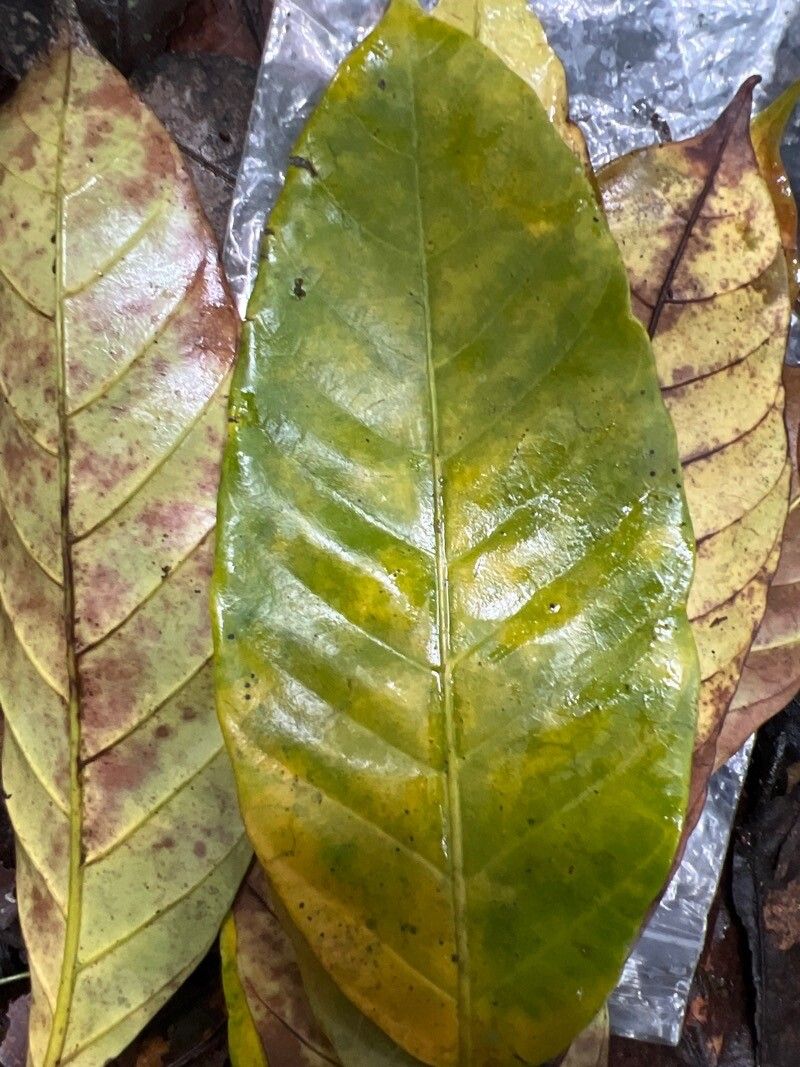
From Seed to Tree: Propagating the Wonder That Is Funtumia africana
Funtumia africana, often called “rubber vine” or “African rubber tree,” isn’t just a beautiful plant. It’s a powerhouse of potential, boasting a diverse range of uses from traditional medicine and sustainable rubber production to its role in ecological restoration. But how do you bring this wonder into your own space? By mastering the art of propagation!
Starting from Seeds:
The journey begins with seeds. Obtain Funtumia africana seeds fresh and clean, ideally from a reputable source. They are dark brown and roughly oval-shaped, each containing the promise of a new tree.
A Seedling’s First Steps:
- Soak the Seeds: Before planting, give your seeds a good soak in warm water for 24 hours. This softens the seed coat and jumpstarts germination.
- Choose the Right Medium: A well-draining, airy potting mix is key. You can create your own blend using equal parts of compost, vermiculite, and perlite.
- Plant Deeply: Plant the seeds about an inch deep in pots or seed trays. Ensure they are spaced out to prevent overcrowding.
- Maintain Moisture and Warmth: Consistent moisture is crucial. Water well, but be cautious not to overwater, and keep the seedlings in a warm environment with temperatures around 75-85°F.
- Patience is Key: Germination can take several weeks. Don’t despair if you don’t see sprouts immediately.
Beyond Seedlings:
Once your seedlings emerge, you can nurture them into sturdy young plants.
- Light, Air, and Growth: Provide them with bright, indirect light. Good air circulation is essential to prevent fungal diseases.
- Regular Feeding: Once established, fertilize your seedlings every few weeks with a balanced liquid fertilizer to encourage healthy growth.
- Transplanting: When the seedlings are about 6-8 inches tall, transplant them into larger pots. This allows their root systems to develop fully.
From Cuttings:
For faster results, consider propagation through cuttings. Follow these steps:
- Select Healthy Stems: Choose young, non-woody stems with several nodes (the bumps where leaves grow from).
- Prepare the Cuttings: Cut the stems at a sharp angle below a node.
- Remove Leaves: Remove the leaves from the bottom 2-3 nodes to prevent rot.
- Dip in Rooting Hormone: Optional, but using a rooting hormone can promote root development.
- Plant in Rooting Medium: Plant the cuttings in a well-draining rooting mix, making sure the lower node is covered by the medium.
- Maintain Humidity: Cover the cuttings with a plastic bag or dome to create a humid environment.
- Provide Light: Position the cuttings in a bright, indirect light location.
- Patience is a Virtue: Wait for roots to form. This could take several weeks.
Pro Tips for Success:
- Sterility Matters: Use clean tools and sterilized potting mix to minimize the risk of diseases.
- Light is Essential: Provide bright, indirect light for healthy plant growth.
- Water Wisely: Water regularly, but avoid overwatering. Check the soil moisture before watering, and allow the top inch of soil to dry out between waterings.
From Propagation to Abundance:
Propagating Funtumia africana is a rewarding experience. You not only gain a beautiful and resilient plant, but you also contribute to the sustainability of this remarkable species. So, roll up your sleeves, gather your supplies, and embark on your own Funtumia africana propagation journey. The potential for a green, healthy future might just be a seed or a cutting away!