
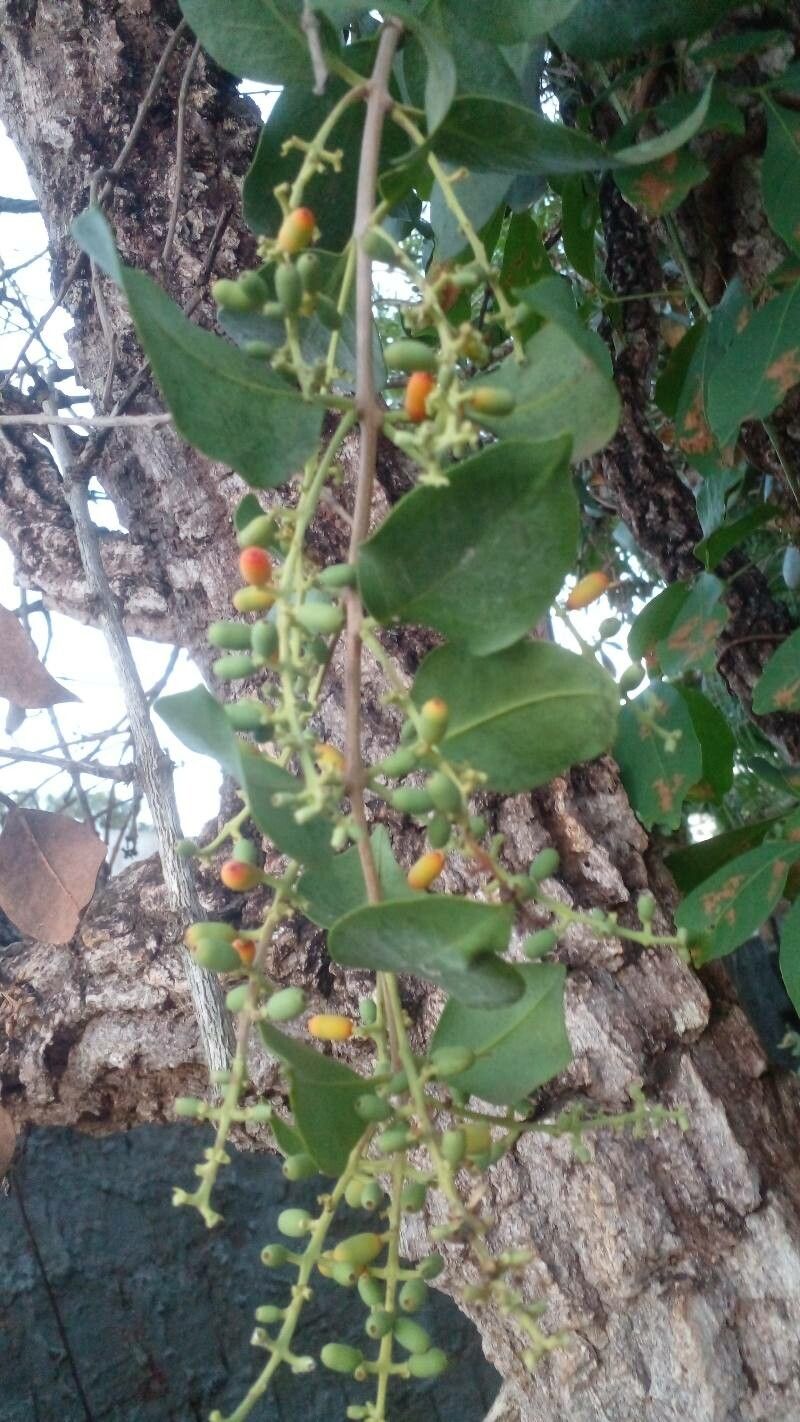
From One Passionflower to Many: Mastering the Art of Propagating Passiflora pedunculata
The Passionflower, with its intricate blooms and exotic appearance, has captured the hearts of plant enthusiasts worldwide. Amongst this captivating family, the Passiflora pedunculata, also known as the “Red Passionflower”, stands out with its fiery red blossoms and unique fragrance. This South American native is beloved for its beauty, but did you know that you can easily share its elegance with others by learning the art of propagation?
The Magic of Propagation:
Propagation, essentially the act of creating new plants from existing ones, offers a unique method to expand your collection, share your love for gardening, or simply enjoy the satisfaction of witnessing new life emerge. Passiflora pedunculata can be propagated using two main methods:
Cuttings: This method is arguably the most popular and involves taking cuttings from a healthy, mature plant. Choose a strong, non-flowering stem, ideally 6-8 inches long, with several nodes (the bumps on the stem where leaves grow from). Make a clean cut just below a node, removing any leaves that would be submerged in the growing medium.
- Seed Propagation: While a bit more time-consuming than cuttings, seed propagation is a rewarding process. Collect ripe seeds from the fruit, cleaning them thoroughly. Sow the seeds in a seed tray filled with a well-draining seed-starting mix. Keep the soil consistently moist and expose the seeds to warm temperatures.
The Journey to Success:
Whether you opt for cuttings or seeds, follow these tips to ensure your propagation journey is a success:
Cuttings:
- Root Hormone: Dip the cut end of the stem in rooting hormone powder to encourage root development.
- Moist Medium: Plant the cutting in a well-draining potting mix, keeping the soil evenly moist but not soggy.
- Protective Environment: Place the cutting in a warm, humid environment, such as a humidity dome or plastic bag. Avoid direct sunlight.
- Patience: Allow the cutting to root for several weeks, checking periodically for new growth. Patience is key!
Seeds:
- Scarification: For best germination, consider scarifying the seeds by gently nicking their outer shell with a sharp tool.
- Moisture and Temperature: Maintain consistent moisture and a warm temperature, around 75-80°F (24-27°C), for successful germination.
- Germination: Seed germination can take several weeks, so don’t give up hope if you don’t see results immediately.
Growing Your Passionflower:
Once your cuttings have rooted or your seeds have sprouted, slowly acclimate them to their new environment. Passiflora pedunculata thrives in well-drained, fertile soil and appreciates plenty of sunlight, but avoid scorching afternoon sun. Consistent watering is crucial, keeping the soil moist but not waterlogged.
Sharing the Passion:
With a little time, care, and understanding of propagation techniques, you can successfully create new Passiflora pedunculata plants. Share your passion with friends and fellow plant lovers, gifting them a piece of your botanical journey and enjoying the beauty of this captivating vine in all its splendor.