
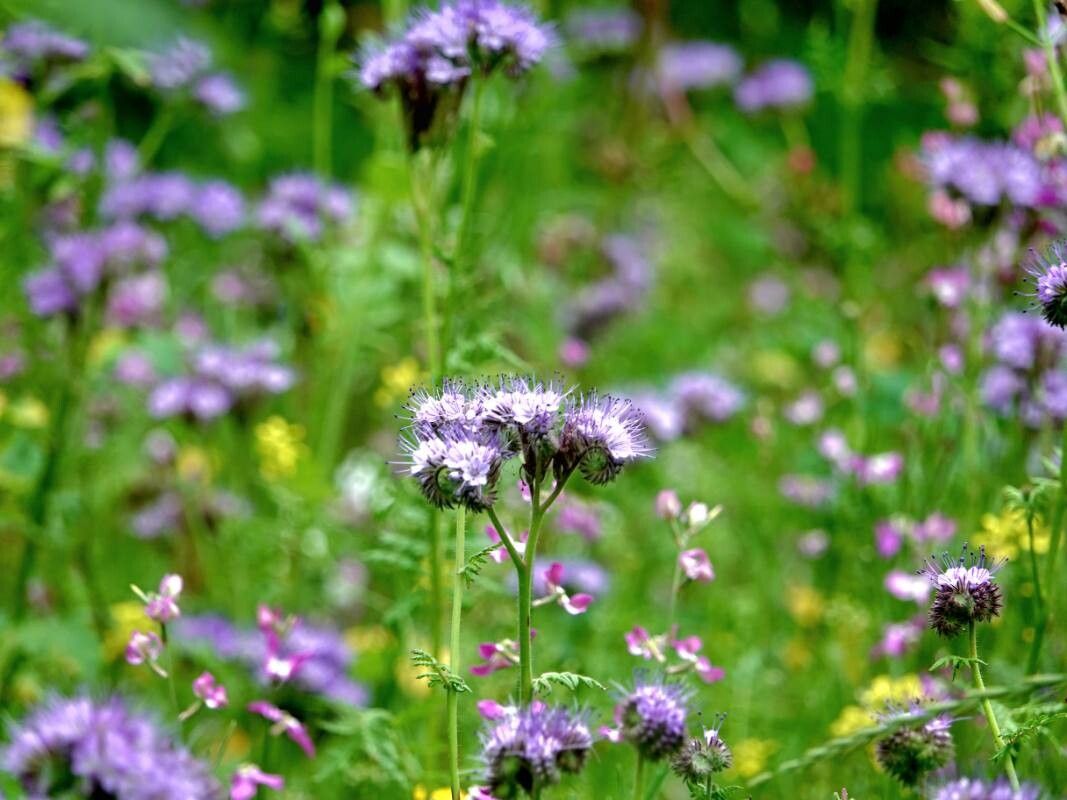
From Tiny Seed to Bountiful Blooms: Propagating Phacelia Congesta
Phacelia congesta, the beautiful and beneficial “clustered phacelia,” is a must-have for any garden. Its vibrant, sky-blue flowers attract pollinators like magnets, and its lush foliage provides a valuable source of nectar for beneficial insects. But did you know you can easily grow more of this incredible plant yourself?
Propagating Phacelia congesta is a simple and rewarding process. Let’s explore the two primary methods:
1. Direct Seeding: Easy Peasy, Lemon Squeezy
Direct seeding is the most common and straightforward method. Phacelia congesta is a cool-season annual, so it’s best to sow seeds in the spring or fall, depending on your climate. Here’s how:
- Soil Preparation: Choose a sunny location with well-drained soil. Phacelia congesta isn’t picky about soil type, but it needs good drainage.
- Sowing: Simply scatter the tiny seeds on the surface of prepared soil, gently press them in, and give them a light watering. You can also use a seed drill for more precise planting.
- Spacing: Phacelia congesta grows densely, so space the seeds about 6-8 inches apart.
- Watering: Keep the soil consistently moist until germination occurs, which typically takes 5-10 days.
- Thinning: Once seedlings are a few inches tall, thin them to the desired spacing.
2. Starting from Cuttings: A More Challenging Approach
While not as common as direct seeding, Phacelia congesta can also be propagated from cuttings. This method offers the advantage of producing a more uniform crop of plants. Here’s how to do it:
- Cuttings: Select healthy, actively growing stems from your existing Phacelia congesta plants.
- Preparation: Remove the lower leaves from the stem, leaving just a few leaves at the top.
- Rooting Medium: Prepare a pot filled with a sterile rooting medium, such as a mixture of peat moss and perlite.
- Planting: Insert the cut end of the stem into the rooting medium. Ensure the stem is planted firmly.
- Humidity: Cover the pot with a plastic dome or wrap to create a humid environment.
- Lighting: Place the pot in a bright, indirect location.
- Watering: Keep the rooting medium moist, but avoid overwatering.
- Timing: Depending on the environment, cuttings can root anywhere from a few weeks to a month or two.
Beyond the Basics: Tips for Success
- Timing is Key: While Phacelia congesta can be sown in spring or fall, planting in early summer can lead to a less successful crop.
- Companions for Success: The plant thrives in the company of other vegetables and flowers, acting as a powerful attractant for beneficial insects.
- Blooming and Harvesting: The vibrant flowers attract an amazing diversity of pollinators, including those that help with your other garden plants. Once flower heads start to fade, remove them to encourage continued blooming.
- Mulch it Up: Mulching helps to retain moisture and suppress weeds, making it easier to maintain your Phacelia congesta patch.
Why Propagate Phacelia Congesta?
Taking the time to propagate Phacelia congesta is a rewarding endeavor. It provides you with a readily available source of beneficial plants for your garden. From attracting pollinators to enhancing soil health, the beautiful, blue-flowered clustered phacelia is an invaluable asset. So grab some seeds, put on your gardening gloves, and experience the joy of propagating this wonderful plant.