
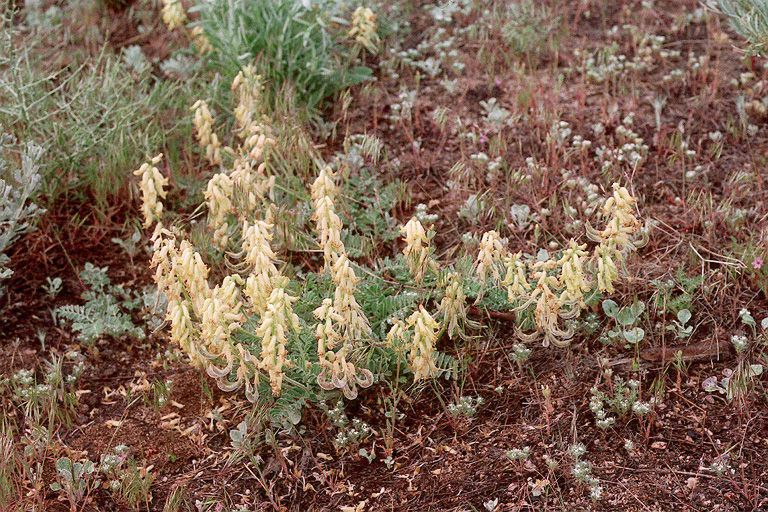
Unlocking the Secrets of Astragalus gibbsii Propagation: From Seed to Seedling
Astragalus gibbsii, a captivating wildflower known for its vibrant purple blooms, is a coveted addition to any garden. But obtaining this plant can be a challenge – it’s not readily available at most nurseries. So how can you get your hands on this enchanting species? The answer: propagation!
This comprehensive guide will unlock the secrets of propagating Astragalus gibbsii, empowering you to grow this treasure from scratch. We’ll explore both seed propagation and vegetative methods, equipping you with the knowledge to successfully cultivate your very own Astragalus gibbsii.
Starting from Seed: A Journey of Patience
While it may seem like the most straightforward method, seed propagation requires a touch of patience and some key considerations:
Sourcing Seeds: Obtain fresh, high-quality seeds from reputable sources. Look for seed companies specializing in native plant species or explore options through local botanical gardens or conservation organizations.
Timing is Key: Astragalus gibbsii prefers cool, moist conditions for germination. Therefore, sowing seeds in the late fall or early winter allows them to undergo a natural chilling period, a vital step for successful germination.
Optimal Conditions: Create a well-drained seed-starting mix, preferably in containers with drainage holes. You can also sow directly into the ground in areas with adequate drainage. Ensure consistent moisture but avoid overwatering.
- A Touch of Patience: Germination can take several weeks, even months, for Astragalus gibbsii. Keep your seed trays or sown areas consistently moist, shielded from extreme temperatures and direct sunlight.
Vegetative Magic: From Cuttings to New Plants
For those seeking a less time-consuming approach, vegetative propagation offers a swift route to new plants:
Softwood Cuttings: Taking cuttings from new growth in early summer is the preferred method. Choose healthy, non-flowering stems, about 4-6 inches long. Remove the lower leaves and dip the cut end in rooting hormone.
Rooting Medium: Use a well-draining mix like perlite or vermiculite. Plant the cuttings in individual pots and maintain a consistently humid environment with indirect sunlight.
Patience and Observation: Root development can take several weeks. Regularly check the moisture level of the rooting medium and mist the cuttings to prevent them from drying out.
- Transplanting Time: Once roots develop, gently remove the cuttings from their starting pots and transfer them into individual containers or directly into the garden, ensuring adequate spacing based on the mature size of the plant.
Nurturing Your New Plants:
Whether propagated from seed or cuttings, Astragalus gibbsii requires well-drained soil, full sun to partial shade, and consistent moisture to thrive. Ensure proper drainage to prevent root rot. Regular watering is crucial during the initial establishment period, especially during dry spells.
A rewarding journey awaits:
Propagating Astragalus gibbsii is a rewarding process. It not only enables you to enjoy this beautiful plant in your garden but also contributes to the conservation of this species. By learning the techniques, you can participate in the propagation and preservation of this vital part of our local ecosystem. Remember, with patience and proper care, you can successfully cultivate thriving Astragalus gibbsii plants and share their beauty with others.